


Imagine you’re seeking help for a legal issue and need to hire a law firm. You search online and, within seconds of landing on a website, you’ve already decided whether to keep looking or to stay and learn more. This fast-paced, digital-first approach isn’t unique to law. Across all industries, from healthcare to home services, potential clients make split-second judgments about whether a business fits their needs—often before reading a single paragraph.
What You'll Learn About How Clients Choose Lawyers Online
- Discover why clients decide quickly when choosing a law firm online
- Understand how online reputation and first impressions shape a legal client’s decision
- Explore the role of clear messaging and simple structure in conversion
- Learn why mobile-friendly browsing is essential for law firms and legal clients
- See how legal directories, online reviews, and strong calls-to-action guide potential clients
First Impressions: How Clients Choose Lawyers Online in a Scroll-First World

Why the First 8 Seconds Matter for Legal Client Decisions
When clients land on a law firm website, the clock starts ticking. Research—across industries—shows that the average attention span for a new visitor is about 8 seconds. In those few seconds, people instinctively decide if a website feels professional, trustworthy, and relevant to their needs. For law firms, like for any local business or medical practice, first impressions are shaped by design, clarity of messaging, and visible trust signals. The logo, a headline, and a welcoming photo often do more to shape trust than lengthy explanations. If a visitor doesn’t immediately understand what the firm offers or how to contact them, the opportunity is often lost. The same dynamic applies to businesses of all types: first impressions set the stage for conversion, establishing the brand’s online reputation or, conversely, reinforcing doubts.
Visitors—whether seeking legal solutions or a new restaurant—are not reading deeply in this first moment. Instead, they note overall professionalism, scan for signs of quality (like awards, testimonials, or recognizable certifications), and try to quickly answer, “Is this right for me?” If a law firm’s website is cluttered, slow, or visually overwhelming, potential clients disappear—sometimes without seeing a single paragraph. That’s why immediate clarity and visual appeal are now baseline essentials for online business success.
Online Presence: Scanning, Scrolling, and Skimming by Potential Clients
Customers today do not consume websites the way they read books. The majority scan, scroll, and skim rather than processing every word. For law firms, this means the old 10-page, text-heavy website is less effective than ever. The best-performing sites—legal, healthcare, retail, or professional services—anticipate that most visitors will never scroll past the headline, and fewer still will click to a second or third page. Instead, potential clients want to see clear language, brief practice area summaries, and obvious ways to take action.
This scanning behavior affects every design choice, from font size and color contrast, to mobile layout and button placement. Businesses that respond to these habits—emphasizing single-page layouts, easy navigation, and calls-to-action near the top—are not just keeping up with trends, but also removing friction that drives customers away. Ultimately, a site’s online presence is only effective if it matches the natural scanning and scrolling instincts of modern customers.
"A positive impression within the first few seconds on a law firm website dramatically improves the chance of acquiring legal clients. " – Legal Marketing Specialist
Understanding how clients interact with your website is only part of the equation. To truly stand out, law firms can benefit from structured content strategies that organize information for both users and search engines. For a deeper look at how structured publishing can enhance your online authority and user experience, explore the Structured Local Authority Publishing approach and see how it supports clarity and trust across your digital presence.
How Clients Choose Lawyers Online: Understanding Online Behavior
Why Most Legal Clients Scan Rather Than Read

The scanning, skimming, and scrolling approach isn’t unique to the legal industry; it’s how people engage with online content everywhere. Potential clients, whether searching for legal services or buying shoes online, process information in quick bursts. They look for key phrases, recognizable icons, and clear statements about services or benefits. Detailed paragraphs and legal jargon hidden deep in an “About” page will be missed by the vast majority.
Law firms—and indeed all small businesses—must present what they do, who they serve, and how to contact them with simplicity. Making a customer read through dense, text-heavy pages is equivalent to asking them to work for clarity. Instead, concise summaries for each practice area or service line and a visible “Contact” button satisfy modern browsing habits. The same principle applies to medical practices or home service providers; the easier it is to find what’s offered, the more likely visitors will become real clients.
The Impact of Mobile-First Browsing on Law Firm Websites
Today’s mobile devices are often the first point of contact between a law firm and prospective clients. With most people using their phones to browse search results, websites must adapt by prioritizing mobile-first design. This means quick loading times, clear layouts that fit small screens, and obvious buttons or calls-to-action that don’t require pinching or zooming.
Slow, clunky, or non-responsive websites are major barriers. Whether someone is searching for a personal injury lawyer or scheduling a doctor's appointment, frustration with slow load times or tiny text leads to instant abandonment. Responsive layouts, single-page navigation, and minimized page elements aren’t just nice to have—they’re essential for keeping modern customers engaged long enough to convert.
| Behavior | Impact on Law Firms | Recommended Website Feature |
|---|---|---|
| Scrolling | Allows clients to discover information faster | Single-page design |
| Scanning | Clients gather key details without reading everything | Clear headings and bullet lists |
| Clicking Multiple Pages | Creates friction and causes drop-off | Reduce unnecessary navigation |
| Mobile Browsing | Majority visits occur on mobile devices | Responsive layouts and quick load times |
Conversion Defined: Turning Potential Clients into Legal Clients Online
What Is Conversion for a Law Firm Website?
Conversion describes the pivotal moment when a website visitor transitions from simply browsing to taking tangible action. For a law firm, this could mean filling out a contact form, making a phone call, booking a free consultation, or requesting more information. The same principles hold true for all small businesses—a restaurant booking, a retail purchase, a home service inquiry—each is a form of online conversion.
True success online hinges not just on traffic, but on how many visitors become real leads or clients. Businesses that clarify what to do next make conversions easy; those that confuse or overwhelm see high abandonment rates. This is why law firm marketing and the digital strategies used in other industries increasingly align around the same core principle: guiding users clearly and deliberately toward taking action.
How Clear Calls-to-Action Influence Potential Clients

The power of a clear call-to-action (CTA) cannot be overstated. A single, well-placed button—“Contact Us Now,” “Book Your Consultation,” or “Request Info”—serves as a bridge between intention and action. On legal websites and across all service industries, CTAs must be visually obvious, labeled in plain language, and easy to find on both desktop and mobile.
Confusing, hidden, or jargon-filled CTAs reduce the likelihood of conversion. Visitors shouldn’t have to guess how to reach a law firm or any service provider. Simple, directive messaging used consistently throughout a website helps users feel confident about taking the next step. Whether booking legal services, home repairs, or healthcare appointments, the principles are the same: strong CTAs drive higher conversion rates and elevate a business’s overall digital marketing results.
The Consequences of Unclear Law Firm Websites for Legal Clients
Why Potential Clients Leave: Top Website Mistakes
Even businesses with outstanding reputations can lose potential clients if their websites are unclear or confusing. In the fast-paced online world, mistakes like vague service descriptions, slow page loads, or complex menus erode trust instantly. A client searching for a specific practice area who cannot find it quickly will likely move on, often before a firm can demonstrate its true value.
Nothing frustrates visitors—legal clients or otherwise—like not seeing an obvious way to get help or contact the business. Lack of a visible “Contact” button, or overly complicated inquiry forms, increases drop-off rates. For law firms and small businesses alike, the solution is making information straightforward and pathways to contact prominent at every step.
Navigation and Messaging: The Keys to Retaining Legal Clients
- Vague practice area descriptions
- Slow website speed
- Complex or confusing menus
- No visible contact button or form
A clean, simple navigation bar and plainspoken messaging help visitors know they’re in the right place. Rather than listing every accolade or detail, businesses should highlight their most relevant expertise, explain services in one or two lines, and put contact information front and center. Streamlined layouts and consistent branding reinforce trust, helping to retain visitors who might otherwise leave due to confusion.
How Law Firms Compete Online to Attract Legal Clients
Clarity vs. Reputation: The New Competitive Edge for Law Firms
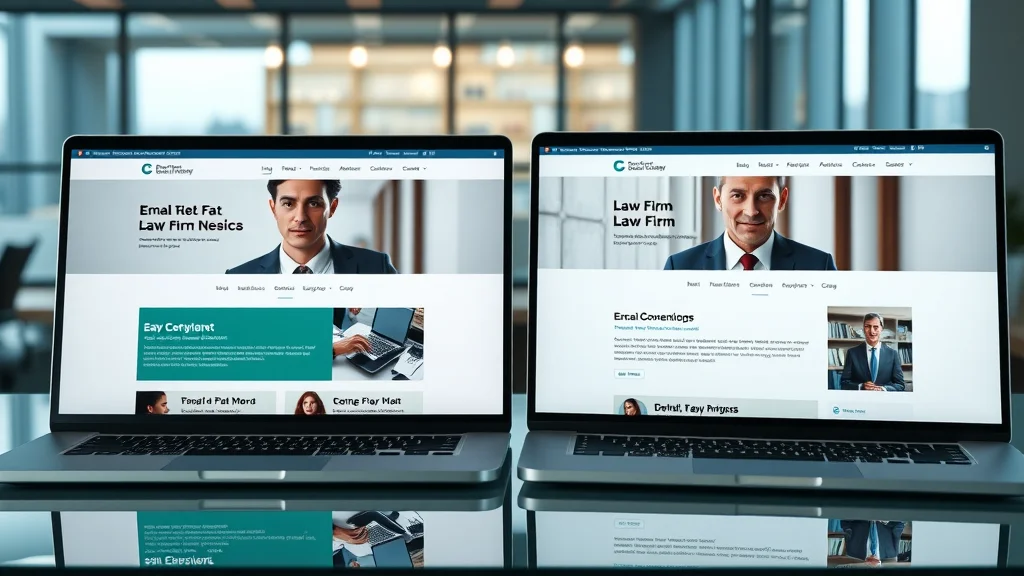
Traditionally, law firms and many professional services believed reputation alone would drive client decisions. But modern online behavior shows that clarity of presentation is often equally important. Visitors compare multiple firms, services, or restaurants in the same search results, rarely examining every detail. The business that makes its services, values, and points of contact clearest is most likely to receive the next inquiry or booking.
For today’s law firm, competitive edge is shaped by how quickly and clearly they can communicate what sets them apart. Strong branding, simple practice area summaries, and testimonials create trust, but only when they’re easily visible and well-organized. Businesses that lead with clarity and back it up with reputation outperform those relying solely on word-of-mouth or traditional local marketing efforts.
Comparing Law Firms: Quick Decisions by Potential Clients
- Clear value proposition
- Consistent branding and messaging
- Trust signals and online reputation management
- Accessible contact information
Potential clients seldom open every website in their search results. Instead, they scan a few, often contacting the first business that “makes sense” to them. This behavior is universal, applying to legal clients, patients, shoppers, and homeowners. Businesses must ensure their unique strengths are not buried under layers of navigation or marketing jargon, but instead front and center, visible within seconds.
Understanding Lead Generation: How Clients Choose Lawyers Online
Why Generating Traffic Isn’t Enough for Law Firms
It’s easy to assume that more website visitors equal more clients, but the reality is more nuanced. Many law firms—like other small businesses—invest heavily in websites and even drive substantial traffic via paid advertising or search engines, yet see disappointing results. The missing link is often conversion-focused design: a clear, focused path guiding visitors toward taking specific action.
Visibility in search results is necessary, but it’s not a guarantee of revenue. If a website simply acts as a digital brochure, customers drift away without engaging. Businesses must use their digital marketing and law firm marketing strategies to shape not just how they appear, but how they convert visitors into actual leads.
Design Features That Guide Legal Client Decisions

A high-performing website, whether for legal services or plumbing repairs, is designed around how real people decide. This means short, benefit-driven headlines, clear value statements for each service, and visual guides (like icons or checklists) that answer key questions at a glance. Forms should collect only essential details; contact buttons should be present as users scroll naturally.
Visual cues—such as trust badges, customer testimonials, or security icons—help guide decisions without overwhelming visitors. Responsive design ensures the site is just as inviting on a mobile screen as a desktop monitor. Every design element, from simple menus to color contrast, must be chosen to reduce confusion and make the next step obvious.
Online Reputation and the Influence of Online Reviews
Role of Online Reviews in Shaping Legal Client Choices

In today’s connected world, the online reputation of a law firm or any business is public and persistent. Potential clients easily find and compare reviews on platforms like Google, Yelp, or legal directories. Positive reviews build trust and demonstrate credibility, while even a single negative review can raise doubts for new visitors.
For law firms, proactive reputation management and a transparent approach to client feedback are now basic requirements. Gathering client testimonials and encouraging satisfied customers to leave online reviews not only boosts a firm’s appeal, but can also push listings higher in major search engine results. Service industries, from dentistry to construction, face similar scrutiny; strong online reviews and prompt, professional responses help turn passing visitors into active clients.
How Social Media and Digital Marketing Affect Law Firm Visibility
Law firms and small businesses gain significant exposure through social media platforms and digital marketing efforts. Professional profiles on LinkedIn, active pages on Facebook, and informative videos on YouTube can help reach audiences not actively searching for legal services but who may need help in the future.
Consistent posting, sharing relevant news or case outcomes, and participating in community conversations help build ongoing brand awareness and reinforce trust. Digital marketing strategies must align with the same principles as effective website design: clarity, simplicity, and clear calls-to-action guiding interested users to the next step.
Legal Directories, Search Engines, and Visibility for Law Firms
Search Results: How Legal Clients Compare Multiple Firms
Most clients begin their lawyer search on a major search engine, comparing several law firm websites before contacting one. Search engine results pages act as the modern equivalent of the yellow pages, providing filtered, side-by-side choices. Visitors glance at ratings, website descriptions, and Google My Business profiles before making their selection.
It is rare for anyone—potential legal client or otherwise—to analyze every available option in detail. Instead, the decision comes down to which firm appears most relevant, trustworthy, and easy to engage with at a glance. The lessons here apply directly to any business hoping to convert visibility into new customers.
Leveraging Legal Directories for Greater Online Presence
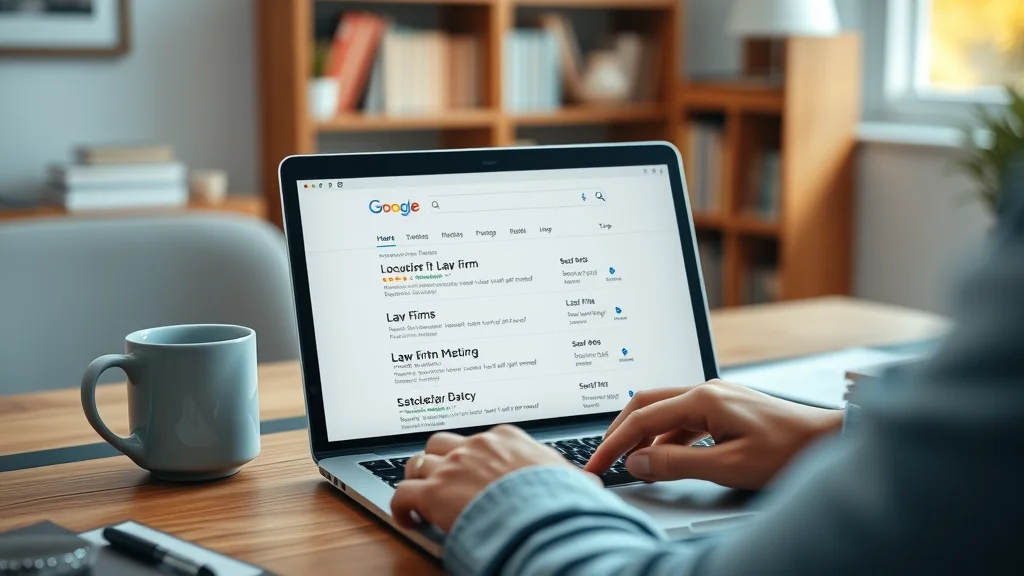
Legal directories such as Avvo, FindLaw, and others act as dedicated search platforms, listing law firms by location, practice area, and client rating. A strong presence on these directories can send qualified leads directly to law firm websites. To maximize impact, firms should ensure their listings are complete, accurate, and filled with authentic client reviews and up-to-date contact details.
The same principles apply to directories in other industries—healthcare, trades, and service companies. These platforms act as credibility signals, making it easier for customers to find and evaluate their best options quickly.
Mobile Experience: Essential for How Clients Choose Lawyers Online
Mobile Speed and Usability Shape Legal Client Decisions
Mobile browsing is now the norm, not the exception. If a law firm website loads slowly or displays poorly on a phone, most potential clients will leave without a second thought. Mobile-optimized sites, employing compressed images, simplified content, and easily clickable buttons, give businesses a tangible edge with modern customers.
Speed is also a conversion driver—both for law firms and any small business. Delayed load times, pop-ups, or excessive scrolling annoy users and increase bounce rates. The best sites, regardless of industry, anticipate this by testing performance and usability across devices, ensuring every user has a frictionless experience.
Page Structure: Why Simple Beats Complex for Law Firms
One of the most significant trends in web design is the shift from multi-page, menu-heavy layouts to streamlined, single-page experiences. For potential legal clients, and all users, simple page structures reduce decision fatigue and increase the likelihood of conversion. Instead of overwhelming with options and complex drop-downs, the best websites offer a smooth, linear experience guiding users from introduction to action.
For law firms, this might mean all important information—about, practice areas, testimonials, contact—can be found on a single scrollable page. The fewer clicks required, the less chance a user will get lost, distracted, or frustrated. Other service industries are seeing the same results; clarity and simplicity yield more leads.
Key Features of Effective Law Firm Websites for Potential Clients
One-Page vs. Multi-Page Structures: Reducing Friction
The transition to one-page website designs isn’t limited to legal practices. Restaurants, clinics, and small retailers all see better conversion rates when users can scroll smoothly rather than clicking through multiple menus. One-page sites place all essential details—services, value propositions, reviews, contact forms—within easy reach and immediate visual context.
Multi-page structures are still useful for certain businesses, particularly when offering many unrelated services. However, excessive segmentation often distracts potential clients and creates friction. Most visitors prefer the simplicity and fluidity of scrolling through relevant information, making single-page structures a strong overall choice for client-focused industries.
How Messaging and Calls-to-Action Drive Conversion
Every successful law firm website, and indeed every high-performing small business site, shares two core elements: straightforward messaging and visible calls-to-action. Short, direct language about what makes the firm unique, what they offer, and who they help resonates quickly with scanning visitors. It leaves no doubt about the path forward—whether it’s scheduling a consultation or filling out a contact form.
Consistent calls-to-action, placed thoughtfully throughout the page, invite engagement at each decision point. This logic applies just as well to a local bakery or auto repair shop: if it’s clear, simple, and inviting, more visitors will act, turning passive browsers into paying customers.
People Also Ask About How Clients Choose Lawyers Online
What do clients look for when choosing a lawyer online?
Clients look for signs that a law firm is trustworthy, clear about what they offer, and easy to contact. They scan for positive online reviews, a well-organized website, explanations of which legal services or practice areas are available, and strong calls-to-action. They want to understand quickly whether the firm understands their needs, has experience in relevant practice areas, and offers a straightforward process to get started.
How important are online reviews for selecting a law firm?
Online reviews significantly influence a client’s choice of law firm. They provide social proof, help establish trust, and can reassure potential clients that others have had positive experiences. A law firm with a strong, positive online reputation is far more likely to attract legal clients, while negative or absent reviews may lead clients to continue their search.
What causes potential clients to leave a law firm website?
Potential clients often leave law firm websites due to unclear messaging, difficult navigation, slow load times, or a lack of visible contact information. When visitors cannot quickly identify the firm’s services or figure out how to get in touch, they will usually move on to another practice. Reducing friction and making navigation easy are critical to retention.
FAQs: Common Questions About How Clients Choose Lawyers Online
How can a law firm improve conversion rates online?
A law firm can improve conversion rates by ensuring their website is clear, uncluttered, and designed for scanning rather than deep reading. Using single-page structures, concise practice area summaries, trust signals like testimonials, and strong calls-to-action all help guide potential clients toward taking action. Regularly updating online reviews and maintaining fast mobile performance also support higher conversions.
What is the most effective website structure for legal clients?
The most effective website structure for legal clients is often a single-page layout that organizes information logically from introduction through to contact. This approach minimizes user confusion, reduces the need for extra clicks, and matches how most clients and customers naturally browse and make decisions today. Essential information should always be front and center.
Why is a mobile-friendly site crucial for law firms?
A mobile-friendly site ensures that legal clients can access information, read reviews, and contact a law firm easily from their smartphones. Since the majority of browsing now happens on mobile devices, any business—especially law firms—risks losing interested clients if their site doesn’t load quickly or display content clearly on smaller screens. Mobile optimization is vital for capturing and converting potential clients in today’s digital marketplace.
Key Takeaways on How Clients Choose Lawyers Online
- First impressions and clarity are critical to attracting legal clients
- Online reputation and easy navigation build trust
- Mobile-first and one-page structures align with how potential clients browse
- Consistent, simple messaging increases conversion
- Lead generation success depends on guiding users to take action quickly
Making Continued Improvements: Consistency and Clarity Win Legal Clients
"Small improvements in clarity and messaging can make the difference between a visitor and a new legal client. "
Consistency, clarity, and user-friendly design are the cornerstones of a successful lead generation strategy. Businesses across all industries, from professional services to retail, benefit from an ongoing focus on making their value obvious and their path to contact unmistakable. Over time, improvements in clarity and design directly translate into more leads, increased client trust, and sustained online growth.
Learn How Lead Generation Websites Work for Law Firms
Want to see practical lead generation web design in action? Learn how lead generation websites work for law firms and discover how clarity, simplicity, and mobile-first design help grow your business online.
If you’re ready to take your law firm’s digital strategy to the next level, consider exploring broader frameworks that unify content, SEO, and user experience. The Local Authority Content System™ Insights & Strategy offers a comprehensive perspective on building lasting online authority, improving visibility, and driving sustainable growth. By integrating these advanced strategies, your firm can stay ahead of evolving client expectations and set a new standard for online engagement in the legal industry.




Write A Comment