


Picture this: A homeowner sends out a request for help with a home improvement project—within minutes, several contractors are racing to reply, all eager to win the job. This scenario is a daily reality across the country: from plumbers and roofers to remodelers and electricians, contractor leads fuel fierce competition. In this guide, you'll discover how the contractor lead system really works, why some businesses consistently win more jobs, and what influences the choices customers make when faced with many contractor options.
Understanding Contractor Leads and the Modern Construction Lead System
-
What is a contractor lead?
A contractor lead is a potential customer inquiry—often a homeowner or business—looking for help with a construction, repair, or improvement project. These leads can include specific project types such as plumbing repairs, HVAC maintenance, electrical upgrades, roofing replacements, landscaping, or full-scale remodeling. Leads are typically delivered through lead platforms, email, phone calls, or lead generation websites, and include basic contact info and project details that help contractors decide if they want to pursue the opportunity. -
Why contractor leads fuel competition for construction projects
Unlike traditional referrals, modern construction leads are often distributed to multiple contractors at once. This shared approach drives rapid competition, as every contractor who receives the lead may try to be the first—sometimes among roofers, general contractors, or electricians—to make contact and book the job. The blend of digital technology and customer behavior means that speed, clarity, and readiness are more important than ever when responding to a construction job inquiry. -
What You'll Learn in This Guide to Contractor Leads
You’ll gain a clear understanding of:- How contractors find and receive leads (both paid & organic)
- Why multiple contractors get the same lead
- What makes some contractors faster and more successful
- How homeowners and property managers make decisions
- Key differences in response strategies and contractor types
-
Overview of construction lead platforms and lead generation websites
Modern generation websites and lead platforms have become central to contractor growth. Homeowners turn to these platforms to post requests, while contractors subscribe, pay for, or are matched with these leads, receiving instant notifications about new job opportunities. Platforms typically focus on connecting customers to local experts—whether for plumbing, electrical work, HVAC, landscaping, or remodeling—enabling a range of contractor businesses to grow their business through consistent leads.

How Lead Generation Works for Contractors: Construction Leads and Opportunities
Organic vs. Paid Lead Generation: How Do Contractors Get Construction Leads?
Contractors traditionally relied on word-of-mouth, direct contact information, repeat business, or organic search engine results to find new construction projects. Today, while some leads still arrive organically—through online searches or direct website contact forms—many are acquired through paid online services or lead generation platforms. Lead generation websites collect inquiries from customers and distribute them to a list of local pros, including general contractors, electricians, HVAC companies, and roofers. Whether through organic traffic or paid listings, every construction lead contains vital details about the job type, schedule, location, and customer contact info, and is delivered instantly by email, app, or text, fueling real-time competition.
For smaller contractors, the shift from organic to paid leads can be challenging. While paid leads speed up access to sales opportunities, they also mean your business is often measured against competitors who may receive the same job details at exactly the same time. For all contractor types—plumbers, remodelers, painters, landscapers—gaining an edge involves being visible where leads are created, keeping your project type specialties clear, and responding promptly to every inquiry.
Understanding the nuances of lead generation is just one part of building a successful contractor business. For those looking to refine their approach and maximize the effectiveness of their online presence, exploring structured publishing strategies can provide a tactical edge in local markets. Learn more about these methods in the Structured Local Authority Publishing guide.
Lead Generation Websites and Lead Platforms Explained
Modern lead platforms and lead generation websites operate like digital marketplaces, matching customers with licensed contractors for nearly every type of construction project or home improvement need. When a homeowner submits a request, these systems instantly send the details to several local pros—sometimes as a leads list, in other cases as individual alerts. Platforms often verify basic contact info and filter for project location to ensure relevance. Some platforms allow contractors to choose preferred project types, while others automate matching for maximum speed and efficiency.
These lead generation services are not just for big construction companies. Anyone from solo general contractors to specialized subcontractors can use these tools to grow your business. The competition, however, ramps up as soon as a lead hits your inbox or phone—being the first and most effective responder makes a measurable difference in securing jobs, whether through direct inquiry, shared leads, or managed lists on well-known generation websites.
Why Construction Leads Are Often Shared Among Multiple Contractors
Most construction leads are technologically distributed to several relevant contractors at once. This widely adopted distribution model is designed to help customers compare options, while also ensuring that every lead is answered as quickly as possible—even during high-demand seasons. For general contractors, HVAC pros, roofers, or electricians, this means that a single inquiry may land in the inboxes of three to eight professionals, all competing for the same construction job.
For contractors and subcontractors, this creates a sense of urgency. Every inquiry is a race, and the way you respond can move you to the top of the homeowner’s consideration list. The shared nature of leads keeps the marketplace dynamic, driving improvements in speed, professionalism, and communication among service providers.
“Most construction leads are delivered to several pros at once, putting a premium on fast response and clear communication.”
The Life Cycle of Contractor Leads: From Inquiry to Job Award
Construction Lead Flow: From Customer Request to Contractor Inbox
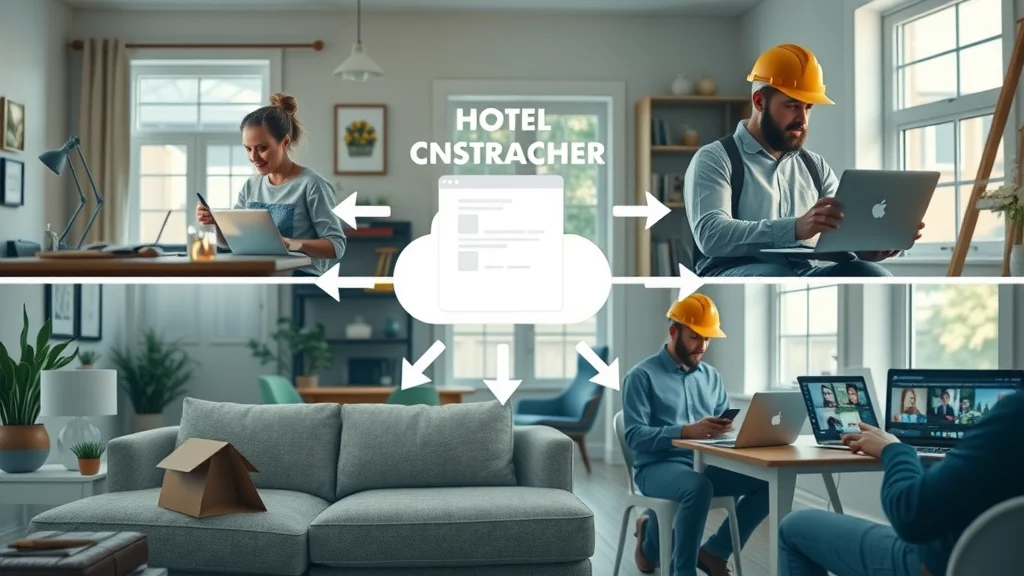
A typical construction lead begins with a customer submitting a digital request—this could be a need for a plumbing fix, a roof inspection, or a complete kitchen remodel. The lead is then routed through a lead platform, which verifies the basics and relays the details. Multiple contractors then receive an alert (email, app notification, or text) nearly simultaneously, complete with the project description, location, and direct contact info.
This rapid digital flow means that by the time the homeowner closes their laptop, several contractors have already reviewed the leads list, assessed the fit, and (ideally) responded. For general contractors and specialists alike, having processes in place—like dedicated customer support or apps to speed up replies—can be the deciding factor between winning and missing out on the job.
How Lead Generation Services Match Customers and Contractors
Every lead generation service uses its own algorithm to match customer requests with customer-ready contractors. These algorithms may prioritize location, project type, or even contractor ratings. By confirming that the customer’s project fits your specialty, and ensuring your online business profile is visible and up-to-date, you give yourself the best chance to get matched with suitable inquiries. The faster a contractor opens and replies to a lead, the greater their chance at being chosen—because the homeowner often receives multiple responses within minutes.
Some services also allow for limited exclusivity, but the vast majority of leads are “shared. ” This pushes all recipients to focus on speed, clarity, and setting a proactive tone from the first response forward. For contractors competing in crowded areas, understanding how and when leads are distributed can be just as important as technical skill.
| Step | Description |
|---|---|
| Inquiry | Customer submits project details via a lead generation website or platform. |
| Distribution | Lead system sends info to multiple contractors in the appropriate area and trade. |
| First Response | Contractors review details and reply; speed and clarity heavily affect outcomes. |
| Customer Decision | Customer gathers replies, compares contractors, and chooses based on first impression and fit. |
Why Do Multiple Contractors Receive the Same Construction Job Lead?
How Lead Platforms and Lead Generation Websites Distribute Leads
The core function of a modern lead platform is to ensure homeowners always have immediate options. Every inquiry or potential lead is broadcast to multiple qualified contractors—sometimes simultaneously, sometimes within a queue, depending on platform rules. This applies across the industry: general contractors, HVAC businesses, electrical specialists, roofers, landscapers, and remodelers all experience similar lead sharing systems. This process keeps the marketplace competitive and ensures customers aren't left waiting for service provider callbacks.
Distribution varies from region to region, but the fundamental mechanism remains: new leads get sent to a select group who match the job's specifics. Contractors are then measured by their ability to respond promptly, communicate clearly, and provide relevant contact info back to the customer.
Typical Number of Contractors Contacted by Lead Services
Depending on the platform, anywhere from three to eight contractors will usually receive the same construction job lead. This number can fluctuate with project type and demand—especially for large projects or in smaller towns. Homeowners routinely seek multiple bids, and lead generation websites help facilitate a direct comparison by sending each potential job to a curated leads list built around trade specialty and geographic proximity.
Most commonly, platforms ensure there is both a sense of competition and adequate customer support, so each job is managed with urgency and professionalism. Whether the job involves plumbing, roofing, HVAC, landscaping, or extensive remodeling, this sharing helps maintain reliability and responsiveness in the contractor marketplace.
- Examples of lead distribution:
- General contractor—kitchen remodel: 4-6 contractors contacted
- Plumbing emergency—3-5 specialists notified
- HVAC installation—3-4 local contractors receive the lead
- Electrician—4-7 for renovation projects
- Roofing—3-6 roofers alerted, especially after storms
- Landscaping—3-8 pros for maintenance or design jobs
- Remodeling—varies by project type, often 5 or more companies
How Response Time and Communication Decide Who Wins Construction Jobs
The Impact of Speed and Availability in Construction Job Competition
As soon as a construction job lead drops, the competition begins. Homeowners expect answers within minutes—not hours or days. The first confident, clear response often earns the initial conversation, which can quickly lead to booking the job. This is why both large construction companies and small operations make fast replies a top priority. Some invest in dedicated staff or apps that alert them instantly to every incoming inquiry, maximizing availability.
Across all specialties, from roofers and electricians to painters and landscaping services, contractors who are able to reply while on-site, after hours, or during peak periods consistently see higher engagement and win rates. Customers with urgent improvement projects value visible, ready-to-act providers, and rarely wait for a slow reply before moving on.
How General Contractors and Others Benefit from Rapid Replies
For general contractors, plumbers, remodelers, and every trade, quick responses offer a real advantage. When a lead arrives, rapid engagement starts the relationship on a positive note, giving the customer confidence in your professionalism. This sense of reliability is especially crucial for complex projects, where clear, timely communication can set your business apart from the competition.
Efficient systems, such as templates for quick outreach or mobile apps to respond on the go, allow even small contractors to level the playing field in lead competition. The goal is always the same: be first, be clear, and be available. In a market where opportunity windows are measured in minutes, slow follow-ups can mean the difference between winning a job and being overlooked.
“The first confident response is often the one that gets the conversation—sometimes the job.”
Why Delays and Unclear Answers Lose Contractor Leads
A single delay—whether due to missing notifications, unclear replies, or cumbersome phone trees—can cost even the most experienced contractor a job. Homeowners interpret promptness as professionalism, and will often eliminate contractors who take too long to respond, never follow up, or send confusing information. This reality holds true for every trade, and is especially common for high-turnover projects like plumbing emergencies and seasonal maintenance.
In addition to speed, clarity matters: customers respond best to direct, easy-to-understand answers that outline next steps and showcase expertise. Avoiding jargon or lengthy explanations, and making contact info easy to find, promotes trust and leads to more bookings—even in fiercely competitive contractor lead environments.

What Makes Some Contractors Win More Construction Leads Than Others?
Role of Visibility and Consistency in Contractor Lead Generation
Success with contractor leads often begins long before the lead even exists. Contractors who are easy to find—whether in a search engine, directory listing, or lead generation website—are more likely to be contacted directly by customers, sometimes even before a job is posted to a platform. This consistent visibility ensures that when construction leads are created, these businesses are already top-of-mind.
Across all trades—general contractors, electricians, landscapers, and remodelers—being listed in multiple online directories and keeping business profiles complete and up to date are simple ways to increase exposure and improve competitiveness. The more often your business appears in searches, the less reliant you’ll be on racing against others for every lead.
Why Larger Construction Companies Often Respond Faster
Larger construction companies or franchise contractors typically invest in dedicated staff, customer support numbers, or automated response systems. These resources mean that when a new construction job comes in, someone is always available to answer immediately. Speed becomes a natural part of their process, giving them a built-in edge in high-volume markets.
Small contractors, by contrast, often juggle multiple jobs or handle every inquiry personally, making it harder to maintain immediate communication—especially during peak hours. For businesses hoping to grow your business through lead generation websites, building simple response systems can help even the playing field.
How Smaller Contractors Can Compete for Construction Leads
Smaller operations have advantages too—flexibility, personal service, and the ability to tailor replies for specific home improvement projects. By setting up mobile alerts, keeping business details up to date on lead platforms, and making clear, confident first responses, small contractors can win jobs even in crowded leads list environments. Prioritizing immediate outreach, even from a work truck or jobsite, is key.
Building relationships with existing customers, encouraging reviews, and maintaining consistent visibility online are also effective strategies. Whether focusing on a niche like electrical renovation or broad services like remodeling, the right mix of proactive communication and reliability can help contractors of any size grow their business.
- Key factors in winning leads:
- Visibility on search engines and lead platforms
- Fast response time and reliable availability
- Clear, confident communication
- Consistent, accurate contact information
- Strong reputation and positive first impressions
Consistent Visibility Across Generation Websites and Relevant Platforms
Consistency is the foundation of visibility. Contractors who appear often—across lead generation websites, online listings, and dedicated trade platforms—are more likely to receive new business inquiries, both from lead platforms and direct customers. This repeated exposure builds trust and familiarity, increasing the likelihood that a homeowner will reach out directly for their next home or construction project.
General contractors, remodelers, HVAC companies, and specialists alike benefit from staying updated on all relevant platforms, and making it easy for potential customers to contact them. Over time, a familiar business becomes the default choice, reducing reliance on race-to-reply scenarios and helping sustain ongoing lead flow.

Customer Decision: How Homeowners Choose Among Competing Contractor Leads
How Customers Gather and Compare Construction Job Quotes
Homeowners tend to gather several quotes before settling on a contractor. When a job lead is shared, the homeowner receives responses—often within minutes—from multiple providers. They’ll weigh the clarity, speed, and relevance of each reply alongside reputational cues, such as online reviews or completed project photos. This quick comparison process means that slow or confusing replies are quickly set aside.
Most customers aren’t industry experts—they want a simple, trustworthy path. Whether reviewing offers from plumbers, electricians, or remodeling companies, they are primarily comparing first responses, not conducting exhaustive research. The winner is often whoever combines professionalism, confidence, and straightforward communication, making it easy for the customer to take the next step.
What Matters Most: Speed, Clarity, Reputation, and Simplicity
Research consistently shows that the qualities homeowners value most are speed of reply, transparent explanations, a strong initial impression, and the perceived reliability of the contractor. Visible contact info and a professional digital presence further support positive outcomes. Even if your price is competitive, lack of clarity, defensive language, or slow follow-ups will move you to the back of the pack—while simplicity and accessible information are rewarded.
Homeowners report that they usually settle on the contractor who is both confident and easy to communicate with. They don’t want to sift through jargon or track down a phone number—ease of contact and a clear, enthusiastic answer will move you to the top of their leads list.
The Role of First Impressions in Construction Lead Outcomes
First impressions on a lead platform are lasting. Many homeowners decide within the first exchange whether or not to pursue a conversation further. For general contractors and specialists, this means every reply should radiate professionalism: from subject line to signature, clarity counts. A friendly, concise note and well-placed contact information encourage trust.
Over time, repeat visibility on lead platforms or through positive referrals can turn initially hesitant customers into loyal advocates. Whether you’re offering electrical upgrades, plumbing repairs, roofing, or full remodels, your ability to make an immediate connection defines your track record—and your long-term business growth.

Visibility, Competition, and the Contractor Lead Advantage
How Consistent Visibility Makes Contractors Easier to Find
Contractors who maintain up-to-date profiles and active listings are included in more leads lists and are discovered in both search engines and specialty directories. This consistent visibility not only means more inbound calls and quote requests, but also subtly encourages customers to reach out directly, bypassing shared lead platforms entirely for familiar and trusted brands.
For every contractor—large, small, or in-between—the opportunity is clear: make it easy for potential clients to find you, whether they’re searching for plumbers, general contractors, or landscaping companies.
Repeated Exposure and Trust in Construction Leads
Trust is cultivated through repeated exposure. Contractors who appear multiple times—on lead generation websites, in search results, or via social media—build a sense of credibility for new and returning customers. The more often a customer sees your business name, logo, or positive reviews, the less risky and more appealing you become as a service provider.
This is why lead competition isn’t just about a single shared inquiry. The ongoing cycle of inquiry, exposure, and positive interaction drives lasting visibility and better win rates for contractors who invest in maintaining a dynamic digital presence.
Proactive Lead Strategies: Direct Inquiries vs. Shared Lead Platforms
While shared construction leads offer fast, high-volume opportunities, many contractors leverage proactive strategies to build direct customer engagement. These can include targeted mail campaigns, repeat contact with existing clients, active presence in local directories, or encouraging direct referrals from happy customers. The aim is to secure opportunities where you’re not competing on speed alone, but are instead the primary, trusted contact for any home improvement project.
A balanced approach—investing in both direct and platform-based visibility—enables contractors to minimize the grind of rapid-fire competition and build long-term pipelines of loyal, returning clients.
“Customers choose from what they see first, and strong first impressions last.”
Videos: Understanding Contractor Leads in Action
This explainer video demonstrates exactly how a digital lead form is filled out by a homeowner, distributed rapidly to a select group of contractors through a modern lead platform, and how those professionals compete to respond. The process gives insight into why speed, clarity, and a professional tone matter so much.
See how fast response times and immediate communication can secure jobs. Contractors, from general contractors to electricians, are shown competing to follow up with potential leads. The video outlines best practices for standing out and building customer trust through rapid, clear outreach.
Animated explainer: How lead generation platforms distribute job leads to contractors in real-time.Frequently Asked Questions About Contractor Leads
How does contractor lead generation actually work?
Contractor lead generation relies on online platforms that collect project requests from customers and distribute these details to local pros. Contractors receive real-time notifications—including contact info, project scope, and location—and must respond quickly to be considered. These platforms may use algorithms to match jobs based on trade, project type, and proximity.
Why do multiple contractors often get the same construction lead?
Leads are commonly shared among several relevant contractors to ensure customers receive multiple bids and can compare service offers. This encourages competition, speeds up response times, and ensures that urgent projects—such as plumbing emergencies or major repairs—get addressed promptly.
Does a contractor’s size or staff impact lead success?
Larger contractors often benefit from having dedicated staff or systems to monitor and reply to leads instantly, which increases the likelihood of making first contact and winning jobs. However, small businesses can also succeed by setting up alerts, prioritizing fast replies, and keeping communication clear and direct.
How can contractors increase their visibility to get more leads?
Contractors can appear on more leads lists and receive direct inquiries by maintaining active profiles on multiple lead generation websites, updating business directories, and encouraging customer reviews. Consistent visibility on search engines and trade platforms drives inbound opportunities even before a customer submits a formal inquiry.
People Also Ask: Common Questions on Contractor Leads
How do customers choose between contractors?
- Answer: Customers often get multiple quotes, compare speed, clarity, and confidence of each response, and quickly make decisions based on who is easiest to reach and seems most reliable.
What makes a contractor stand out in a competitive lead market?
- Answer: Consistent visibility, prompt and confident replies, clear communication, and straightforward information are the most influential factors, regardless of company size.
Why are some contractors more visible to customers than others?
- Answer: Contractors who appear frequently in online searches, directory listings, and lead platforms are seen by more customers, giving them an edge before a lead is even created.
Key Takeaways: Contractor Leads and Construction Lead Competition
- Shared construction leads mean multiple contractors compete for the same job
- Speed and visibility are decisive in construction job lead outcomes
- Customers act quickly and choose from what they see first
- Visibility and familiarity can tip the balance
- All contractor types—from plumbers to remodelers—face these dynamics

The Ongoing Reality of Contractor Leads: Visibility, Competition, and the Path to More Jobs
- Lead competition is constant across the construction industry
- Easier-to-find contractors have an advantage in the construction lead process
- Customers make decisions quickly, often favoring the most available and clear option
- Visibility and repeated exposure build trust over time
If you’re ready to take your contractor business to the next level, consider how a strategic approach to content and authority can amplify your results. By leveraging advanced local authority publishing frameworks, you can not only boost your visibility but also establish lasting credibility in your market. For a deeper dive into building a sustainable, high-impact presence that attracts quality leads and sets you apart from the competition, explore the Structured Local Authority Publishing resource. This next step can help you unlock new growth opportunities and position your business as a trusted leader in your field.
Discover How Lead Generation Websites Work for Contractors
- Learn how these platforms can enhance visibility and connect you with real leads. Find out more at https://localauthoritycontentsystem.com/lead-generation-website-system



Write A Comment