


Imagine a potential customer visiting your site, spending a few moments browsing, and then leaving—perhaps to compare options or simply because life interrupted their search. What happens next isn’t luck or chance—it’s about who stays visible in their decision-making journey.
Observing Customer Behavior: What Happens After a Website Visit?
Most people who visit a website for the first time do not act immediately. It’s common for visitors to browse, click through a few pages, and then continue their day without making a decision. These site visitors may spend time weighing their options long after they leave, replaying their choices in their minds while doing something unrelated or seeing similar ads elsewhere. Often, decisions get postponed, and what starts as a simple product page or pricing page view becomes a process that unfolds slowly. Most customers rarely recall every business they researched, especially after looking at several competing options in the same session. As a result, many local stores, clinics, and service providers see potential customers slip away after this initial site visit.
- Most visitors do not act immediately after viewing a business online
- People continue thinking about their choices even after leaving a site
- Decisions are often postponed and happen over time
- Customers rarely remember each business they encountered
- Familiarity and repeated exposure builds trust

"A single website visit rarely seals the deal—real-world decisions take time and familiarity."
The Challenge of Visibility: Out of Sight, Out of Mind
Once a website visitor leaves your site, your business is no longer front and center in their mind. The digital landscape is filled with distractions—other businesses, competing ads, and social media pull attention in many directions. Competing brands may capture their focus, especially if those brands continue to appear across the visitor’s digital journey. Memory is fleeting, and even a standout initial experience can fade fast. In digital marketing, the reality is clear: only businesses that sustain their presence enjoy extended consideration. Being out of sight means risking being out of mind when the customer is finally ready to choose.
- Once a visitor leaves, your business disappears from their view
- Other businesses may gain attention in your absence
- Customers continue weighing options across search, apps, and social media
- Memory fades quickly—only visible brands stay top of mind

How Retargeting Influences Buying Decisions Throughout the Customer Journey
Retargeting plays a pivotal role in the customer journey. After someone interacts with your brand but leaves without converting, retargeting campaigns allow you to keep your business present throughout their ongoing decision process. This means potential customers receive subtle reminders—even days or weeks after their initial visit. The comparison table below shows how a typical journey differs from one enhanced by retargeting:
For a deeper dive into the practical steps of setting up retargeting campaigns and capturing website visitors effectively, you may find it helpful to explore how retargeting works in practice and the specific tactics that drive results.
| Step | Typical Journey | With Retargeting |
|---|---|---|
| 1. Visits Website | Sees site, then leaves | Sees site, then leaves |
| 2. Next Online Session | May forget business | Sees reminder ad, remembers business |
| 3. Considering Options | Thinks of most visible choices | Brand remains familiar |
| 4. Making a Decision | May not recall every option | Returns to retargeted business |
How Retargeting Campaigns Work to Maintain Visibility
Retargeting campaigns place carefully chosen display ads in front of users who previously interacted with your brand. These campaigns operate across websites, social media platforms, and apps, ensuring your message travels with the potential customer as they navigate the web. Unlike traditional ads based only on demographics or interests, these retargeting efforts are triggered by a user’s past actions, like a previous product page or site visit, making them highly relevant. Consistency across your retargeting ads and your website is essential. If a potential customer recognizes your tone, colors, and offers across channels, it strengthens trust and creates easy recall when it’s time to decide.
- Retargeting campaigns keep your business in front of former visitors
- Retargeting ads appear across websites, social apps, and within digital marketing spaces
- These ads reinforce your presence, reminding customers you’re still an option
- Consistency of messaging across retargeting campaigns and your website matters
"Staying visible is not about chasing customers—it’s about being where decisions are made."
Retargeting Ads: Subtle Reminders That Shape Conversion Rates
Retargeting ads are not intrusive pop-ups; rather, they work like gentle nudges, quietly encouraging people who have already shown interest to consider your business again. This is how retargeting works best—by reconnecting, not chasing. Familiarity and trust are developed with every exposure, which is why businesses that consistently present themselves are more likely to benefit from higher conversion rates. The retargeting ad builds on past interactions, reinforcing confidence in your brand and maximizing the likelihood that potential customers will choose you when they are ready. The best retargeting ads act as quiet companions, staying top of mind without causing ad fatigue or decision overwhelm.
- Retargeting ads work by reconnecting with users who have already shown interest
- They do not disrupt; instead, they remind and reinforce your message
- Familiar businesses earn more trust and are more likely to be chosen
- Higher conversion rates are seen when retargeting works as a quiet presence, not a pushy one

Small Business Competition: Winning the Mindshare Race After Visitors Leave
Visibility during the research and decision period is where the true competition occurs for small businesses. Having an attractive website or ranking highly in search results is only the beginning. Smart business owners use digital marketing and retargeting campaigns to ensure they remain present throughout the customer's journey. That’s because most people don’t start their search from scratch every time—the business that reappears is most likely to stay in consideration. Recognition isn’t just about a strong first impression; it’s about repeatedly being seen, which shapes buying decisions and gives competing businesses an edge in the ongoing sales cycle.
- It’s not just about search—visibility must extend into the decision period
- Competing businesses stay in sight by using retargeting and consistent digital marketing
- Customers usually return to the option they see most often when ready to choose
- Recognition is as important as first impression
Why Retargeting Campaigns Boost Conversion Rate and Steady the Sales Cycle
Most website visitors do not become customers right away, making it critical to extend the business relationship through retargeting campaigns. A well-structured retargeting campaign ensures you maintain a connection as the sales cycle continues. People are more likely to recall and select the brands they encounter frequently and recently. By extending visibility, retargeting supports both quick decisions and long, considered buying journeys, especially for local service providers or professional practices with longer sales cycles. This ongoing presence steadies your sales cycle, keeps your business in the running, and steadily increases conversion rates over time.
- Most website traffic does not convert right away
- Retargeting prolongs the connection across the sales cycle
- The more often people see your digital presence, the more likely you are to remain in their consideration list
- This approach supports both short and long sales cycles in local business environments
"Traffic gets attention, but retargeting makes that attention last until the decision is made."
Reducing Ad Fatigue: Balancing Frequency for Effective Retargeting Ads
Striking the right balance in retargeting frequency is essential. Too many retargeting ads can annoy customers (causing ad fatigue), while too few can make you invisible during critical decision moments. Smart retargeting campaigns analyze data from audience segments and previously interacted users to set the optimal number of touches and personalize the timing. Tailored ad content, such as specific messages or offers that match the stage in the decision process, is especially effective. By managing exposure, you create a steady, positive impression—building trust without oversaturating the target audience.
- Retargeting ads work best when balanced; overexposure can cause ad fatigue
- Personalized and timely messages increase positive customer response
- Smart retargeting campaigns use data to limit frequency and avoid customer annoyance

The Connection: From Traffic to Retargeting in an Effective Marketing Strategy
A practical marketing strategy is like a relay: Lead generation websites attract visitors and make a memorable first impression. Systems like the Local Authority Content System™ drive this traffic through valuable, relevant digital content. Retargeting campaigns then maintain visibility—reaching out to those who have come but have not yet acted. This three-part system works because each step supports the next: Without consistent new traffic, there are no new people to retarget. Without strong web design, there’s nothing memorable for site visitors. Without retargeting, all that effort and ad spend risk being forgotten. Combined, these efforts ensure you remain a natural choice throughout the customer journey.
- Lead generation websites create a memorable first touchpoint
- Local Authority Content System™ drives the initial traffic
- Retargeting campaigns ensure those visitors remain engaged after leaving
- All steps matter: traffic brings visitors, a strong site creates impact, retargeting sustains presence

Visibility and Trust: Retargeting as a Key Influence on Buying Decisions
Recognition is one of the strongest psychological drivers in buying decisions. When customers are frequently exposed to a brand—through well-timed retargeting campaigns and consistent messaging—trust builds naturally over time. This trust is just as critical for local restaurants and medical providers as it is for large retailers. Being part of the ongoing decision process ensures that your business remains relevant and chosen when a customer is ready to act. Retargeting campaigns empower you to shape and support this decision timeline, turning brief interactions into lasting business relationships.
- Recognition is a powerful driver—people buy from businesses they see often
- Repeated exposure via retargeting campaigns builds trust
- Being part of the ongoing decision process is critical for local businesses
- Retargeting ads help chosen businesses stay relevant until customers are ready to act

Video Case Study: Real-World Example of Retargeting Impact on Small Business Sales Cycles
Consider a local restaurant that implemented retargeting after seeing steady but inconsistent lunch traffic. Using retargeting ads, they reminded recent website visitors about upcoming events and lunch specials, subtly reinforcing recognition. Over a few weeks, they noticed returning customers who previously visited the site but had not made a reservation, leading to more reliable bookings. This example illustrates how sustained visibility through retargeting campaigns can improve both conversion rates and the predictability of sales cycles for any small business.
What You'll Learn About How Retargeting Influences Buying Decisions
- Observable behaviors of customers after visiting websites
- How out-of-sight businesses lose out to those that stay visible
- The mechanics and impact of retargeting campaigns
- Why trust and familiarity drive conversions
- How retargeting fits into a comprehensive marketing strategy
People Also Ask
What is the 3 3 3 rule in marketing?
The '3 3 3 rule' in marketing refers to a guideline for ad exposure: present a message three times, in three different ways, across three platforms. This approach aims to reinforce brand recall without overwhelming the audience, supporting how retargeting influences buying decisions by spreading touchpoints across the customer journey.
What are the benefits of retargeting?
Retargeting offers businesses a way to stay present in the customer's mind after a website visit. Benefits include increased brand recognition, higher trust, better conversion rates, and a steady sales cycle. It helps businesses compete effectively by influencing buying decisions with continued visibility.
How does effective marketing influence your own purchasing decisions?
Effective marketing, especially retargeting, brings brands into a familiar zone, making you more likely to choose a business you continuously see. Repeated exposure strengthens confidence, shortens decision time, and aligns a business with your needs when you are ready to purchase.
Is retargeting lower funnel?
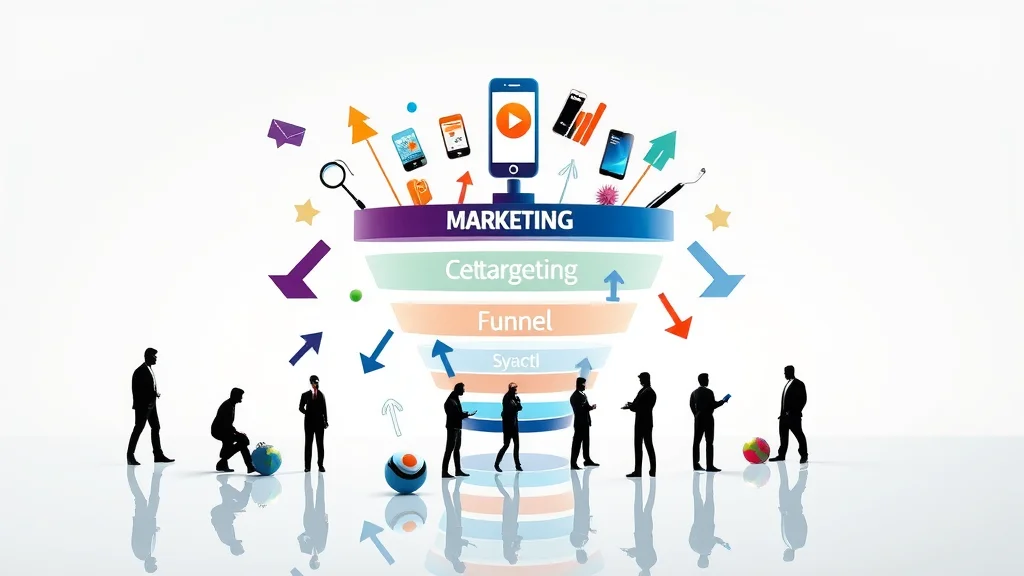
Retargeting mostly takes place in the lower funnel of marketing, connecting with leads who have already shown interest. However, its role extends to keeping a business visible through the entire sales cycle, influencing buying decisions at every stage.
FAQs About How Retargeting Influences Buying Decisions
- Does retargeting only work for online businesses? No. Local stores, medical offices, restaurants, and home services benefit as well.
- How soon should I begin retargeting after launching my site? As soon as there is established traffic—retargeting maintains connection from the start.
- Are retargeting campaigns expensive? Cost depends on campaign size and goals, but efficiency is high due to a focused audience.
- Is personalization possible? Yes. Retargeting ads can reflect user behavior and stage in the customer journey for better results.
Key Takeaways on How Retargeting Influences Buying Decisions
- Visibility after a visitor leaves is critical for influencing buying decisions
- Familiarity, built through retargeting, increases trust and selection rates
- Retargeting campaigns keep your business part of the customer journey
- Competing for ongoing recognition leads to more conversions

Retargeting as Part of the Ongoing Decision Process
Customer choices rarely happen in a single session. Being visible beyond the first impression is vital. The businesses that maintain a quiet, persistent presence—reminding site visitors of their services or products—are much more likely to be selected when the decision point arrives. Retargeting works because it extends your relevance and increases the likelihood you’ll be remembered when it matters most.
- Customer choices unfold over time, rarely in a single visit
- Visibility beyond the first impression is essential
- By staying present, businesses greatly improve their chances of being selected by customers
Get Practical: How Retargeting Works and How You Can Keep Your Business Visible
Retargeting bridges the gap between a first visit and a final decision. By combining strategic digital marketing, engaging first-touch web design, and consistent retargeting campaigns, your business stays visible throughout the entire customer journey. Remember, real-world results come from remaining part of the process—not just starting it. To learn more about keeping your business top-of-mind with retargeting, see how retargeting works in practice.
If you’re interested in elevating your entire marketing approach and want to see how retargeting fits into a broader, authority-building strategy, explore the Local Authority Content System™ Insights & Strategy. This resource offers advanced guidance on structured publishing, content authority, and long-term visibility—helping you move beyond single tactics to a comprehensive digital presence that consistently attracts and converts your ideal customers.




Write A Comment