


Imagine you’re a homeowner staring at a leaky ceiling after last night’s storm. In a few clicks, you request three quotes—within minutes, your messages are pinging phones in homes and offices across your city. It’s a race: which roofing contractor calls you back first, and how do you decide who to trust? This is the daily reality across the United States, where roofing leads ignite intense competition between contractors. But why do some businesses consistently win more jobs than others, and what shapes a homeowner’s final choice? This comprehensive, observational guide explores the systems that distribute leads, the competition they create, and the practical reasons contractors in roofing—and all home services—succeed or fall behind.
What You'll Learn About Roofing Leads and Contractor Competition
- The basics of roofing leads and how they’re generated
- Why roofing leads are commonly shared among contractors
- How lead distribution platforms work
- The impact of response time and communication on winning jobs
- Key factors customers use to evaluate contractors
- Why visibility and consistent presence influence who gets more roofing leads
- The broader relevance for contractors in all home service categories
Understanding Roofing Leads: The Foundation of Contractor Success
What Is a Roofing Lead?
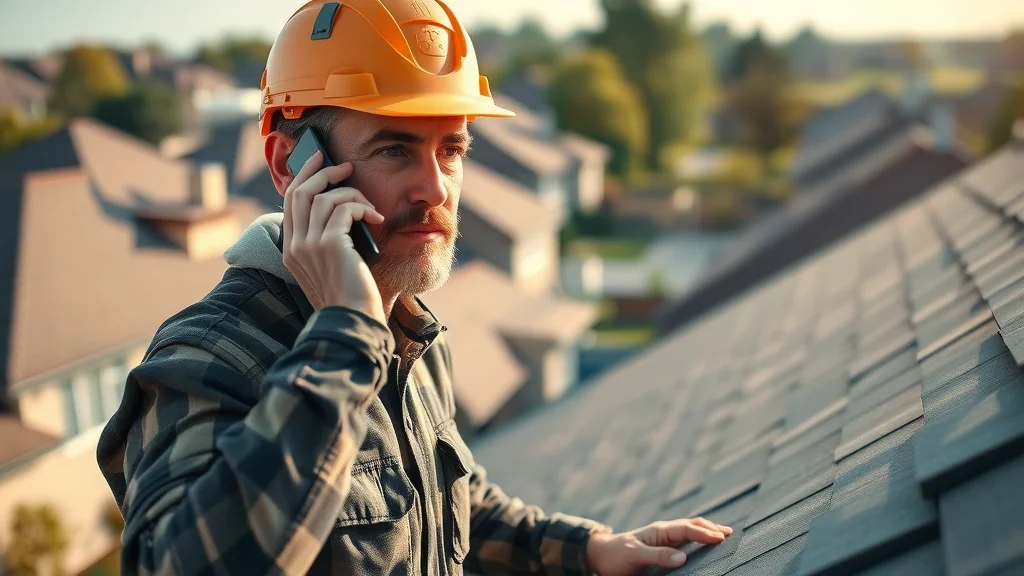
A roofing lead is any inquiry or request for roofing services from a potential customer—often a homeowner who needs a repair, replacement, or inspection. Leads arrive through phone calls, web forms, emails, and even texts. For contractors, they represent opportunity: a new customer, a project, a chance to grow the business. But each lead is just a starting point. Homeowners typically reach out to multiple roofing businesses, hoping for a quick response and a fair estimate. How these leads are generated, distributed, and followed up sets the tone for competition—not just in roofing, but for plumbers, HVAC experts, electricians, landscapers, and general contractors nationwide. The landscape is crowded, and every home service provider understands that winning the lead often determines the next job on their calendar.
The Roofing Lead Generation Process for Contractors
Roofing contractors use a blend of methods to generate leads. Some invest time in building their reputation and presence through community relationships and referrals—neighbors recommending neighbors, real estate agents suggesting trusted contacts, or satisfied customers sharing names over coffee. Others focus online, optimizing their websites for search engine discovery, managing business profiles in directories, or creating content that demonstrates expertise. Increasingly, lead generation also involves purchasing leads from national platforms, where a single web inquiry may be distributed to several contractors at once. Lead gen is rapidly evolving, and each channel—organic, paid, referral, trade show, or social media—adds complexity to the competition for every new project.
For contractors looking to refine their approach, understanding the structure and strategy behind local authority publishing can be a game-changer. Exploring how structured local authority content elevates your visibility and trust in the market can help you stand out in crowded lead environments.
Organic Roofing Leads: Search Engine, Content Marketing, Referral Program
Generating roofing leads organically often relies on a contractor’s investment in search engine visibility, a well-designed website, and a strong referral program. Effective content marketing—such as guides, blog posts, or FAQs—can help a business owner appear prominently in local search when customers need immediate help. Satisfied customers who refer friends or post positive reviews also generate high-quality, trust-building organic leads. The referral network is especially powerful in tight-knit communities or among customers who value transparency. For plumbers, electricians, and HVAC companies, similar principles apply: credibility and word-of-mouth remain cornerstone sources for exclusive leads that don’t have to be shared.

Paid Roofing Lead Systems and Shared Lead Environments
Pursuing growth, many roofing contractors subscribe to lead generation platforms that gather customer inquiries online and distribute them—typically to three, five, or more local businesses. Here, leads are not exclusive; multiple contractors may receive the same opportunity simultaneously. The platforms may advertise on search engines or social media to amass leads, then sell them to participating companies. This shared environment is the norm for many home service trades, especially in competitive metro areas. Plumbing, HVAC, and electrical contractors increasingly operate under similar models. The competition becomes a matter of who responds first and communicates clearly—skills more important than ever when you know your reply arrives alongside your competitors’.
The Role of Trade Shows, Social Media, and Email Marketing in Roofing Leads
Not all roofing leads start online. Trade shows and home shows provide a face-to-face venue where contractors introduce their services to hundreds of potential customers in a single day. Collecting contact information, demonstrating new products, and personal conversation all help to build trust. Social media and email marketing supplement these efforts: a professional presence on Facebook, Instagram, or LinkedIn helps contractors showcase completed work, while a well-maintained email list allows follow-up with former clients or nurture of new prospects. For trades like remodeling, landscaping, and painting, these channels expand their reach and reinforce credibility.
How Roofing Lead Platforms Distribute Roofing Leads to Contractors
Why Multiple Contractors Receive the Same Roofing Lead
It’s a common scenario: a homeowner completes one online request and—almost instantly—three or more roofing companies get notified. Most national lead gen platforms operate on a “shared lead” model, designed to offer the homeowner multiple choices. This system promotes competition but introduces new pressures: every contractor wants to be the first call the customer hears. The same dynamic plays out for other trades—HVAC, plumbing, electrical—where platforms match urgent needs to several local providers. The customer benefits by receiving options; contractors must move quickly, knowing the window to win the job can close within minutes. This is the backdrop for daily competition in the U. S. roofing industry.
How Lead Gen Platforms Allocate and Notify Contractors
Platforms that distribute roofing leads typically assign inquiries based on service area, contractor availability, and business profiles. When a homeowner requests a quote, the platform instantly scans its database—using algorithms, location filters, and sometimes contractor preferences—to select a handful of businesses. Notifications go out via text, email, or app alerts. Larger companies may have dedicated call center staff monitoring notifications around the clock. Smaller roofers may rely on the owner’s mobile phone. Either way, everyone starts from the same alert—the winner is usually the contractor who answers first and communicates clearly. This system is designed to be fair, but speed and organization often determine outcomes across all home services sectors.

Competitive Dynamics: Roofing Leads Shared Among Roofing Companies and Other Businesses
Because the same roofing lead can go to several companies—sometimes roofing and related services together (like gutter installers or siding contractors)—every recipient becomes part of a local contest. Customer queries might also trigger responses from businesses in overlapping trades, such as general contractors or home inspectors, especially for larger renovation requests. This competitive structure sharpens the focus on response time, communication quality, and availability. Plumbers, electricians, and HVAC contractors navigate similar waters within their own categories, routinely vying for shared opportunities. Ultimately, every contractor knows: you’re rarely the only option, and your actions in the first few minutes decide whether a lead turns into a job.
Timing and Response: Why Speed Wins the Roofing Lead
The Advantage of Being First: Roofing Lead Response Times
The value of a roofing lead often depends on a contractor’s ability to respond in minutes, not hours. Homeowners are frequently stressed, seeking fast reassurance and a scheduled visit as soon as possible. Statistics aside, real-world observations show the first contractor to reply—by phone, text, or email—typically earns the first conversation. If that first impression is clear, polite, and confident, many customers commit without further comparison. For smaller contractors, this means monitoring phones closely or using auto-reply tools. Larger roofing businesses may assign staff or systems to ensure no inquiry goes unanswered. The difference between winning and losing a job may come down to mere seconds—and this promptness applies to plumbers, HVAC techs, electricians, and remodelers, too.
Availability, Communication, and Roofing Lead Conversion
Speed is just one part of the equation. The quality of communication during that first call or follow-up matters just as much. Contractors who are available to answer questions, explain services, and offer clear next steps make customers feel at ease. Ambiguous, rushed, or incomplete replies often push homeowners toward the next option in their inbox. This is true in every home services sector, from painting to landscaping—those who answer quickly and communicate effectively typically convert more leads into jobs. Availability signals reliability, and clear explanations build trust—a combination crucial for roofing leads, but equally important for every service contractor seeking to grow their client base.

Comparing Large and Small Roofing Business Response Strategies
Larger roofing companies may invest in administrative staff or customer service teams dedicated to lead response, ensuring 24/7 coverage and instant callbacks. Their systems might include automatic notifications, scheduled follow-ups, and pre-written answers to common queries. Small business owners often juggle multiple roles—on-site work, scheduling, and sales—sometimes missing calls during busy hours. Yet, smaller companies can compete by using smart tools (like call forwarding or auto-responders), maintaining a concise email list, and letting customers know when to expect a call-back. Ultimately, it’s about closing the gap between inquiry and response, recognizing that every minute counts in the race for roofing leads and similar opportunities across all trades.
Visibility and Consistency: Getting Roofing Leads Before the Competition
Consistent Online Presence for Roofing Leads
Contractors aren’t just competing for leads after they arrive—they’re also striving to be more visible before the customer ever submits a request. Consistent online presence, achieved through a strong website, updated business listings, and engaging social media profiles, makes it more likely that customers find and contact a contractor directly. This visibility helps avoid the “shared lead” competition altogether. For roofers, HVAC experts, and plumbers, investing in content marketing, SEO, and online reputation management can result in exclusive roofing leads—opportunities that go only to them. Being easy to find and understand is often the first step toward winning more work and building a reliable customer base.
How Customers Find and Choose a Roofing Company or Contractor
Homeowners in the market for roofing repairs or replacements usually start with a quick online search. They’re more likely to contact the first few companies that appear in local search results or have positive reviews. Clarity and availability matter most: if your website answers basic questions, your phone number is visible, and responses are prompt, you’ll stand out. Lengthy forms, unclear service areas, or missing contact details frustrate potential customers—often causing them to move to a competitor. This decision pattern holds true for electricians, plumbers, and landscapers: the contractor who is easiest to reach and understand will frequently win the job, regardless of size or years in business.
Search Engine Visibility and Roofing Lead Generation
Search engine visibility isn’t just about having a website; it’s about appearing in the right place at the right time. Roofing contractors who invest in local SEO and content marketing show up when a customer types “roof repair near me. ” High-ranking search results, combined with positive reviews and updated information, lead to direct calls—bypassing competitive lead platforms. This advantage is equally important for plumbers, HVAC contractors, and remodeling businesses hoping to generate leads that aren’t shared. Visibility across search engines, business directories, and relevant social media sites expands the customer base and positions the contractor as a top choice.

Why Some Contractors Win More Roofing Leads Than Others
Visibility Across Multiple Search Platforms
Modern customers rarely rely on a single source when searching for a service provider. Contractors who maintain a presence on Google, Bing, Yelp, Facebook, and industry directories are more likely to be seen and considered. This multi-channel approach increases the odds of being contacted directly—whether it’s roofing, plumbing, or electrical services sought. Contractors who dominate the first page of search results or are reviewed frequently make stronger impressions. The more visible you are, the more familiar you become; repeated exposure increases trust and reduces comparison shopping among stressed homeowners. Visibility wins, even before a customer submits a formal roofing lead request.
Quick, Clear, and Confident Communication
Winning jobs isn’t always about being the biggest or cheapest—it’s about being the first to respond, clearly explaining the next steps, and projecting confidence. Contractors who reply quickly and speak knowledgeably often secure appointments before customers look elsewhere. Clear, concise communication reduces confusion and makes it easier for homeowners to choose. Confident but approachable interaction builds trust, signaling organization and reliability. This holds true not just for roofers, but for landscape companies, painters, and general trades. Contractors who standardize their response process, use call scripts, and manage follow-ups with discipline often reap more consistent success with roofing leads and similar opportunities.
Building Trust and Familiarity with Roofing Leads
Trust grows from repeated, reliable interactions. Contractors who maintain a consistent presence—posting updates, sharing project photos, or responding politely to reviews—become familiar to customers in their market. Homeowners prefer hiring someone they recognize, even if only from a website or community event. Familiarity removes uncertainty and increases the likelihood of direct calls. This pattern applies widely—plumbers, electricians, and carpenters all benefit from a strong local reputation that starts with building genuine trust in every roofing lead.
"Customers rarely choose the best contractor—they choose the first clear and confident one they speak to."
How Homeowners Evaluate and Compare Roofing Leads
How Customers Assess Roofing Companies and Contractors
Most homeowners want to make a fast, low-risk decision. When comparing multiple contractors, they look for basic signals: clarity in communication, simple estimates, clear online presence, and straightforward service descriptions. Customers rarely sift through every credential or portfolio—if one contractor explains things clearly, offers transparent next steps, and is available when promised, that company often gets the job. Value, reputation, and trust can be built rapidly in these first interactions, and the pattern repeats across all trades—HVAC, electrical, and beyond.
The Influence of Simplicity, Clarity, and Availability
Simplicity wins out over complexity. Homeowners are rarely eager to read long contracts or navigate confusing estimate sheets. Contractors that provide straightforward quotes, simple scheduling, and clear contact options are easier to choose. Being available for questions—even after hours or by text/email—adds reassurance. Confusing or delayed responses signal risk, prompting the customer to choose another provider. For trades from roofing to plumbing and landscaping, the principle is clear: simplicity and clarity help build trust, while complexity or inconsistency can lose a lead before it’s ever discussed.

Frequent Mistakes Contractors Make with Roofing Leads
Some contractors lose leads not from lack of skill, but from basic missteps: missing a call, slow replies, unclear voicemail messages, or poorly designed websites. Forgetting to follow up, failing to adjust response templates, or ignoring negative reviews can erode future trust. Mistaken service area listings or outdated contact info further confuse potential customers. Consistent, reliable follow-up and attention to communication details help avoid these pitfalls, and this advice is universal—spanning all trades that depend on steady lead flow to grow.
Roofing Leads: Insights for Plumbers, Electricians, HVAC, and More
Applying Roofing Lead Strategies to Other Home Service Contractors
The competitive dynamics described for roofing leads play out identically for electricians, plumbers, HVAC specialists, and other contractors nationwide. Shared leads, rapid response, and the importance of online visibility cut across all home services. For any contractor, investing time in reputation management, refining response systems, and strengthening referral networks yields important advantages—reducing reliance on paid leads and increasing direct opportunities over time. The strategies that work for winning roofing leads—speed, clarity, availability, and trust-building—are equally valid for all home service businesses eager to grow sustainably.

The Impact of Roofing Leads on Business Grow and Success
Consistent lead flow powers business grow for roofer, plumber, or HVAC contractor alike. A well-tuned lead generation process supports sustainable schedules, fuels word-of-mouth, and raises a business’s profile in any community. Contrarily, stagnation in lead flow (whether from lack of visibility, poor response time, or weak communication) often signals future challenges. By adopting proven lead management habits, contractors across all trades can steadily improve conversion rates, customer loyalty, and long-term stability.
A Day in the Life: Competing for Roofing Leads Nationwide
Real-World Scenario: Multiple Contractors Responding to the Same Roofing Lead
It’s mid-morning in a typical suburb. Three contractors—one large roofing company, a local two-person plumber, and a newer HVAC specialist—each receive the same request: a homeowner’s insurance inspection for roof and attic damage. Within minutes, each company receives an alert on their phone or computer. The fastest responder schedules an appointment that same afternoon and sends a follow-up text confirming the time. The other two respond hours later, but by then the customer feels reassured and no longer in urgent need. This scenario is common across the nation: winning the lead is often about being fastest and simplest, not necessarily the largest or cheapest.
Lessons Learned from Ongoing Roofing Lead Competition
Contractors nationwide quickly learn that each opportunity is brief and hard-fought. Systems for prompt response, clear communication, and reliable online presence make all the difference—while missing a single alert can cost hundreds of dollars in lost work. Adopting these habits not only leads to short-term wins but establishes enduring patterns that help businesses adapt, grow, and survive even as competition intensifies.
| Response Time | Customer Reaction | Outcome |
|---|---|---|
| Within Minutes | Feels prioritized, schedules quickly | Lead often converts to job |
| Within a Few Hours | May have already chosen someone else | Reduced chance of winning job |
| Next Day or Later | Customer moved on or forgot inquiry | Lead lost to faster competitors |
The Role of Quality Roofing Leads Versus Volume
Do Roofing Companies Need Quality or Quantity?
Contractors often wonder whether it’s better to pursue as many leads as possible or focus on fewer, higher-quality opportunities. In practice, the answer depends on business goals and capacity. High-volume lead purchasing (especially through paid lead gen platforms) may fill schedules but brings tough competition and lower conversion rates. Focusing on quality leads—such as referrals or direct web searches—usually means less competition and higher win rates, yet may deliver fewer opportunities overall. The ideal approach balances both, adapting to local conditions, market cycles, and growth ambitions. For plumbers, HVAC pros, and landscapers, the same lesson applies: reliable, high-quality leads foster both business growth and long-term reputation.
Balancing Roofing Lead Generation Channels
Successful contractors typically diversify their roofing lead sources. This might mean investing in organic strategies (content marketing, referrals, SEO), supplementing with paid leads during slow seasons, or participating in local trade shows. By testing and tracking each channel’s performance, businesses learn where their best work comes from—and how to adjust their strategies over time. Plumbers, electricians, and general contractors similarly reap the benefits of a multi-channel approach, building resilience against seasonal swings and shifts in customer behavior.
Why Quality Roofing Leads Build Trust and Reputation
Ultimately, the best roofing leads are those that turn into satisfied customers—and, in time, word-of-mouth recommendations. Quality always outpaces quantity when it leads to positive reviews, repeat business, and local recognition. Contractors who focus on building trust through every interaction—not just the first call—earn loyalty and steady pipeline of new projects, regardless of the trade.
People Also Ask: Roofing Leads and Contractor Decisions
How much do roofing leads cost?
Explaining Roofing Lead Cost Factors
The cost of roofing leads varies widely depending on location, source, and competition. Paid leads from major lead gen platforms are typically priced based on project type, urgency, and geographic demand. While some contractors pay a set fee per lead, others may buy leads in packages or through subscription. Factors influencing cost include exclusivity (whether the lead is shared or exclusive), the size of the property/service area, and any special requirements (such as insurance claims or urgent repairs). Prices are rarely public, and most contractors weigh lead cost against conversion rates and average job value.
What is the 25% rule for roofing?
Understanding the 25% Rule in Roofing and Its Link to Roofing Leads
The “25% rule” in roofing refers to an insurance industry benchmark: if more than 25% of a roof is damaged, the insurer may recommend replacing the entire roof rather than repairing sections. This guideline impacts roofing leads by prompting homeowners to seek competitive replacement bids, rather than patchwork repairs. Contractors familiar with insurance processes and clear communication on such rules can position themselves as trusted partners during the lead response process.
Does buying roofing leads work?
Evaluating Paid Platforms and Roofing Lead Success
Buying roofing leads can be effective—especially for contractors seeking rapid business growth or filling daily schedules. Success depends on fast response times, clear communication, and strong follow-up systems. However, given that paid leads are often shared among several businesses, contractors must balance cost against conversion rates and consider supplementing paid opportunities with organic ones for long-term sustainability. Many find the best results through a mix of paid, organic, and referral-based leads tailored to their service area and goals.
What is the best company to buy leads from?
Insights into Roofing Lead Providers and Marketplace Options
The “best” lead provider varies by region, trade, and individual business needs. National platforms offer broad exposure and frequent opportunities, while niche marketplaces or local services may produce higher-quality, more exclusive roofing leads. Contractors should evaluate providers based on relevance to their service area, terms of lead sharing, support levels, and ability to filter for desired job types. As with all tools, success with a given platform depends less on the company and more on how a contractor manages speed, follow-up, and customer communication.
FAQs About Roofing Leads and Contractor Competition
-
How can contractors improve their roofing lead response rate?
Contractors can improve response rates by setting up instant notifications, using dedicated answers for inquiries, and delegating lead management where possible. Automating responses, monitoring devices, and preparing scripts for common questions all speed up the first contact. -
Is it better to invest in organic or paid roofing lead generation?
Both have their benefits. Organic lead generation (SEO, content, referrals) usually builds reputation and delivers higher-quality, exclusive leads, while paid methods provide faster volume but more competition. Most successful contractors use a mix tailored to their market and goals. -
What should contractors avoid when handling roofing leads?
Delays, unclear replies, missing contact information, and failing to follow up are common pitfalls. Contractors should also avoid overcomplicating estimates or neglecting to update online presence, as these issues quickly lose opportunities to faster competitors. -
Do other trades like plumbers and HVAC specialists face similar roofing lead challenges?
Yes. Plumbers, electricians, HVAC, and other contractors all navigate shared leads, rapid response demands, and competitive customer behavior. The same principles apply regardless of the specific trade.
Key Takeaways on Roofing Leads and Winning More Jobs
- Roofing leads are shared, competitive, and time-sensitive for contractors
- Contractors who are visible and easy to reach win more roofing leads
- Consistent communication and rapid response matter most to customers
- Building trust and familiarity increases roofing lead success over time
| Organic Leads | Paid Leads |
|---|---|
| Usually exclusive, come from direct web searches, referrals, or content marketing. Higher trust and conversion rates, require time to build visibility. | Often shared with multiple contractors, purchased individually or in batches. High volume and quick results, but require fast response and face stiff competition. |
Final Thoughts: Roofing Leads, Visibility, and Ongoing Competition
Long-Term Benefits of a Strong Roofing Lead Generation System
A robust lead generation and response system positions contractors to win not just individual jobs, but a reliable stream of work—fueling steady growth for years.
The Ongoing Cycle of Visibility and Roofing Lead Opportunities
Visibility and prompt engagement create a cycle: the more you’re seen and trusted, the more likely you receive—and convert—future roofing leads before competitors do.
Encouragement to Review Lead Generation Strategies
Consistent review and improvement of lead management systems are essential in a competitive, time-sensitive environment. Adaptation is key to staying ahead, regardless of trade or market conditions.
Find Out How Lead Generation Websites Work (for Roofing Leads and Beyond)
Curious about building a lead generation system for your roofing company or home services business? Learn how lead generation websites can transform the way you win roofing leads, plumbing leads, and more.
As you continue to refine your approach to winning more roofing leads, consider how a broader content strategy can amplify your authority and reach in your local market. By leveraging structured local authority publishing, you not only boost your visibility but also build lasting trust with both search engines and potential customers. If you’re ready to take your contractor marketing to the next level, explore the Local Authority Content System™ Insights & Strategy for advanced techniques and proven frameworks that help you stand out in any competitive home services industry.



Write A Comment