


Imagine you’re searching for a local service or new restaurant online. You click through a few websites—one is cluttered, the next makes it clear what they offer, and another just leaves you confused. In that split second, your brain is already comparing options. This article reveals why some websites convert visitors into leads while others quietly lose them, and what small businesses can do to win more customers online.
What You'll Learn About What Makes a Website Convert
- The meaning of website conversion and why it matters
- Core principles of designing a converting website
- How user experience and clear messaging turn visitors into customers
- The most common reasons small businesses lose leads online
- Actionable strategies to improve your website’s conversion rate
First Impressions: What Makes a Website Convert Instantly
How Visitors Decide: The 8-Second Rule and Scanning Patterns
When someone lands on your homepage, the clock is ticking—most people decide whether to stay or bounce within 8 seconds. Modern online behavior shows that visitors scan, swipe, and scroll their screens, rarely reading every word. People compare several sites quickly, looking for the one that’s easiest to understand and act on. Even if a company enjoys a good reputation, a visitor will skip ahead if the message isn’t crystal clear. The simplest site often feels the most inviting. Eye-tracking studies show users naturally follow “F-shaped” scanning patterns—checking headlines, calls-to-action, and brief content summaries. If your website’s structure doesn’t guide visitors smoothly, or if the first impression is cluttered or unclear, trust is lost. Clarity beats flashiness: clear web design and intuitive navigation are the keys to turning visitors into customers quickly.
- Visitors form first impressions almost immediately
- Scanning and scrolling habits: users compare options quickly
- Clarity over reputation: customers choose what is easy to understand

“Most website visitors decide whether to stay or leave within seconds. Your website must make its purpose clear instantly to convert visitors into customers.” – Expert Observation
Defining Conversion: What Makes a Website Convert Visitors Into Customers
What Does Conversion Mean for Small Businesses?
Conversion, in simple terms, is what happens when someone visiting your website takes a desired action. For small businesses, that can mean making a purchase, booking a consultation, or submitting a contact inquiry. The difference between a good informational site and a converting website sits in how effectively these steps are encouraged, tracked, and completed. While it’s tempting to focus only on providing information, the main goal should be to turn visitors into customers or leads. Contact forms, appointment schedulers, and calls-to-action all exist to guide users toward a specific result. Analytics tools often show that businesses with clear next steps and inviting interfaces see much higher conversion rates than those without. For a small business, conversion isn’t a complex marketing concept—it's the difference between surviving online and thriving.
- Conversion explained: contact inquiries, bookings, purchases
- The goal is to turn visitors into clients, not just provide information

Core Principles: Building a Converting Website for Lead Generation
The One-Page Advantage: Reducing Friction and Improving Clarity
In today’s digital world, people expect information fast and frustration-free. One-page website layouts have emerged as a powerful trend, especially for small businesses aiming to boost conversion rates. Why? A simple, single-scroll structure reduces friction: visitors get everything they need in one place, without clicking through layers of navigation. When the site feels effortless, visitors are more likely to fill out a form or contact your business. Research suggests visitors prefer scrolling over clicking. Multiple pages with complex menus or nested content can make users feel lost, causing them to leave without taking action. An intuitive navigation system—like anchored sections or easy-to-find buttons—keeps things straightforward. A one-page site focuses a visitor’s attention, helping to guide users quickly to the next step without confusion, so conversion rates rise naturally.
- Simple structures outperform complex navigation
- Scrolling behavior and intuitive navigation preferences
For small businesses looking to further refine their approach, exploring structured content strategies can make a significant difference in how effectively your website guides visitors toward action. Discover practical methods for organizing your site’s information with the Structured Local Authority Publishing framework, which can help streamline user journeys and boost conversion rates.
Clear Messaging: Making Sure Visitors Understand What You Do
Strong headlines and calls-to-action make a vital difference in whether a website converts. If a visitor can’t immediately grasp what your business offers, you risk losing them to a competitor whose website communicates clearly. A converting website uses simple, direct language—no jargon or fluff. Every section and element is designed to guide visitors smoothly through the site, encouraging them to take the next step. Eliminate confusion by clarifying your services, value proposition, and unique selling points. Place contact buttons, forms, or booking options where they’re obvious and convenient. Clear messaging increases trust, making visitors feel confident and more likely to commit—whether that means making a purchase, scheduling a consultation, or just reaching out with questions. When clarity comes first, conversion rates inevitably improve.
- Headlines and calls-to-action that guide users easily
- Eliminating confusion: clarity drives higher conversion rate
Mobile-First Website Design and Speed: Essential for a Website That Converts
Mobile devices now account for the majority of website visits. Sites designed with mobile-first principles ensure content automatically adapts to any screen size, offering visitors a seamless experience whether they’re on a phone, tablet, or laptop. Speed matters too: slow-loading pages hurt conversion rates because users are impatient. Google’s research shows even a one-second delay can cause people to leave. A website that converts is built for performance. Fast-loading images, simple layouts, and minimal distractions keep people engaged. Mobile-friendly pages with tap-ready buttons make filling out a form, making a call, or booking a service easy and natural. In modern web design, user experience matters more than flashy graphics or advanced features; what counts is how smoothly visitors can interact—especially on a mobile screen.
- Mobile browsing dominates user experience
- Page speed and performance impact conversion rates
User Experience and Scrolling: Why Modern Websites Convert More On Mobile
Conversion Rate Reality: Why Good Websites Still Fail to Convert
Why Traffic Alone Does Not Turn Visitors Into Customers
Many small businesses invest in well-designed websites expecting that web traffic alone will naturally generate leads. However, even attractive pages can have poor conversion rates if they focus only on appearance over action. Visitors need careful guidance throughout their experience—just driving traffic is not enough. The shift from visitor to lead happens only when the site is structured to guide users step by step. User behavior studies consistently show that people scan for clear next steps. If your site provides only passive information, rather than leading actions, most visitors will leave. This reality is why analytics tools are so important: they reveal where people drop off, highlighting gaps that allow you to improve your site and start turning visitors into customers.
- Many small businesses invest in websites but still struggle to generate leads
- A website must guide behavior to improve conversion rates
Common Pitfalls: Confusing Messaging and Overly Complex Navigation
Confusing messaging and tangled navigation are among the biggest reasons businesses lose potential leads. If it’s unclear what you do or if finding information takes too many clicks, visitors simply leave. Simple and direct experiences guide visitors toward the action you want them to take—whether that’s booking a session, requesting a quote, or making a purchase. Avoid crowded menus, hidden forms, or lengthy blocks of text. Instead, use one-page layouts, obvious calls-to-action, and headlines that spell out your value proposition. The more you streamline content and reduce decision fatigue, the more likely your visitors will become customers. Conversion rates always benefit from making the user journey as easy as possible.
- Visitors leave if the website is unclear or hard to use
- Simple and direct user experience leads to increased conversions
| Features That Make a Website Convert | Features That Reduce Conversion Rates |
|---|---|
| Clear messaging and calls-to-action | Vague offers, unclear benefits |
| Simple, single-page structure | Complex, multi-layered navigation |
| Mobile-first design, fast load times | Non-responsive, slow pages |
| Obvious next steps for users | Hidden or hard-to-find contact forms |
| Focused, concise content | Overwhelming blocks of text or clutter |
Competitive Edge: How Small Businesses Can Build a Website That Converts

- Clear presentation of the business offer and value
- Quick visitor understanding through concise content
- Strong, visible calls-to-action tailored for local and service businesses
- Making it easy to compare and select your business over others
A small business doesn’t have to outspend the competition to win more leads—clarity and usability are often what set converting websites apart. When visitors quickly understand what you do and why you’re their best choice, they’re more likely to take action. Ensure your main offer is clear, use concise copy, and highlight what makes you unique. Make the contact process easy: large buttons, short forms, and prominent booking options all help. Direct comparisons can also boost conversions—if a visitor sees instantly that your business is easier to reach, they’ll likely pick you over a rival with a confusing site. Ultimately, a website that converts wins because it makes things simple, not because it’s flashy.
“Businesses are often chosen not for the best service, but for the clearest website and simplest next step.” – Web Design Specialist
Visibility and Action: Connecting Website Design to Customer Decisions
- How trust is built or lost in the first few seconds
- Confusion vs. clarity: how these impact whether visitors move forward
- Why consistent visibility and messaging improve recognition
Trust forms—or crumbles—almost immediately. When your site is welcoming, easy to scan, and straightforward, new visitors feel comfortable moving forward. If, instead, your offer is hidden beneath jargon or your navigation is confusing, people lose confidence and move on to the next option. Consistent visual presentation (like matching colors, logos, and messaging across pages and platforms) matters for brand recognition. Visibility grows when users begin to remember your business for its clarity and consistency. Over time, these small advantages translate into more leads and a reputation for being easy to work with. The main lesson? Customers want to choose businesses that remove the guesswork and increase trust from the first click.

Real User Testing: Comparing High vs. Low Conversion Rates On Local Business Websites
People Also Ask: What Makes a Website Convert
What does it mean for a website to convert?
A website converts when a visitor completes a desired action—such as contacting, booking, or purchasing—turning visitors into customers or leads for the business.
Is 12% conversion rate on a website good?
A 12% website conversion rate is considered high for many small business sectors, indicating a well-optimized, user-friendly site that effectively turns visitors into leads or customers.
Is a 10% conversion good?
A 10% conversion rate is strong for most industries and typically signals that a website is clear, easy to use, and guides visitors to take action successfully.
Is a 38% conversion rate good?
A 38% conversion rate is exceptionally high. It may occur in highly targeted or niche markets, or with effective lead generation landing pages and a highly motivated audience.
Frequently Asked Questions About What Makes a Website Convert
-
What are the best calls-to-action for small business websites?
The best calls-to-action are direct and encourage a simple next step, like “Book a Free Consultation,” “Contact Us Today,” or “Get Your Quote.” These should be visible, use action words, and match what your target customer is seeking. -
How important is page speed for website conversion rate?
Page speed is critical. Slow websites frustrate visitors and lead to higher bounce rates. Fast-loading sites keep attention and make it easy for users to navigate and complete actions—directly improving conversion rates. -
Does a one-page website always convert better?
While one-page websites often reduce friction and boost clarity, the best approach is the one that matches your user's browsing habits and helps them accomplish their goal with the fewest obstacles. Sometimes multi-page sites work, but simple navigation is always key.
Key Takeaways: What Makes a Website Convert
- Clarity in messaging is more powerful than having the best offer
- Simple navigation and clear calls-to-action improve conversion rates
- Mobile-first design and fast page speed are essential
- Consistent structure helps build trust and recognition over time
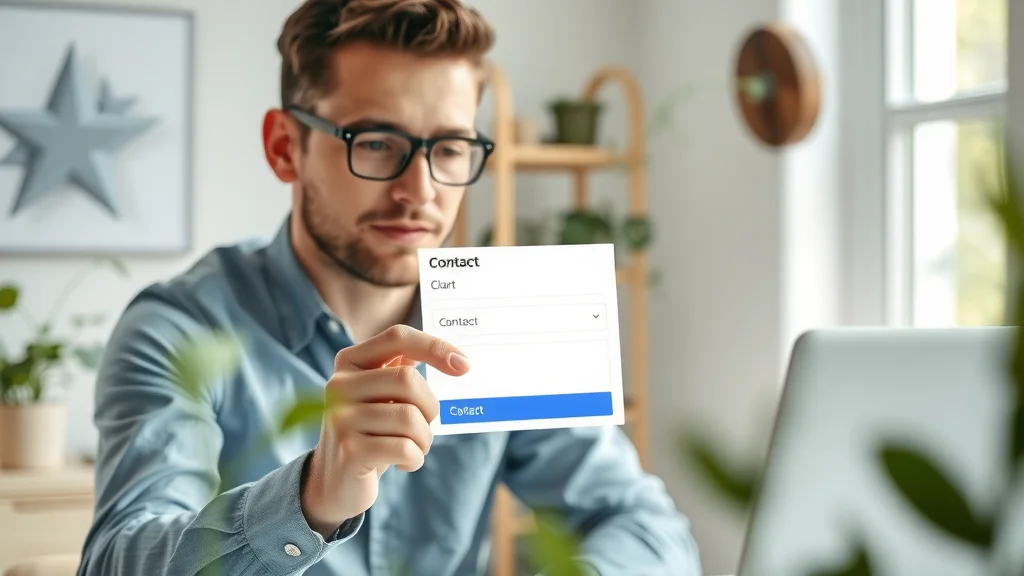
“Your website doesn’t need to be fancy, but it does need to help people understand and act quickly.” – Small Business Owner
Grounded Advice for Small Businesses: Improving What Makes a Website Convert
- Small changes in clarity and structure can result in more customer leads
- Focus on making each step clear for the user; don’t overwhelm with options
- Build trust through consistency and by showing what makes your business stand out

See How Lead Generation Websites Work and Start Getting More Leads
The path to more leads starts with clarity, simplicity, and a mobile-first mindset. Watch real examples and get inspired to improve your own site: How Lead Generation Websites Work
If you’re ready to take your website’s performance to the next level, consider how a broader content strategy can amplify your results. By integrating proven publishing systems and strategic insights, you can position your business as a trusted authority in your local market. Explore advanced approaches to content and visibility with the Local Authority Content System™ Insights & Strategy—a resource designed to help you build lasting credibility and attract more qualified leads over time.




Write A Comment