


Picture this: homeowners sitting around their kitchen island, blueprints scattered, discussing a major renovation. They’ve spoken to several remodeling contractors, each promising craftsmanship and reliability. Yet, only one will get the job. Across the United States, this scenario plays out daily—multiple contractors vying for a single project, often without knowing exactly why the homeowner made their final choice. In this article, we’ll unravel why remodeling contractors lose jobs, what happens behind the scenes with lead competition, and how decision-making unfolds in today’s competitive contracting market.
Observing Why Remodeling Contractors Lose Jobs: The Real World Scenario
In the everyday landscape of home improvement, it’s common to see several remodeling contractors competing for a single residential renovation. Whether it’s updating a dated kitchen or reimagining a living space, homeowners are presented with a range of choices and are encouraged—by lead platforms, industry best practices, and advice—to compare bids from different contractors. The process can feel like a balancing act, with each contractor trying to make a positive impression quickly, respond swiftly, and stand out among similar offers.
The reality is, the competition isn’t just about price. Homeowners weigh factors like prompt communication, perceived reliability, references, and even the confidence and professionalism conveyed in a first call or visit. Even highly skilled contractors find themselves asking why they sometimes lose jobs for reasons that seem beyond their control. Across the residential construction industry, this fast-paced, multi-bid scenario is a defining feature. Contractors—including plumbers, electricians, HVAC professionals, roofers, painters, and of course remodeling contractors—face the reality that customers often make decisions based not just on expertise, but on ease of engagement and quick response at the crucial moment of first contact.

What You'll Learn About Why Remodeling Contractors Lose Jobs
- The real factors that cause remodeling contractors to lose jobs—even against equally qualified competitors
- How lead generation systems work: why multiple contractors get the same customer inquiry
- How speed, communication, and availability shape a contractor’s chance to win jobs
- What homeowners actually evaluate when choosing a contractor
- How visibility before the lead exists is a hidden advantage
- How ongoing competition for leads defines the remodeling and home services market
How Remodeling Contractors Generate Leads — Paid and Organic Pathways
Remodeling contractors must be found before they’re considered. There are two main pathways in which leads are generated: paid platforms and organic presence. Paid paths include advertising, paid websites, and popular lead generation platforms where a contractor pays to receive inquiries. These platforms—used by remodeling contractors and also plumbers, electricians, and roofers—distribute customer requests to multiple professionals at once. Organic pathways, on the other hand, involve being discovered via local search results, Google Maps listings, word-of-mouth, or a clear online presence through websites and review profiles, without having to pay for each contact. In practice, most contractors utilize a combination of these strategies, continually adjusting based on the job site volume and where their strongest opportunities originate.
The effectiveness of each path varies by location and specialty. A remodeling contractor in a busy city, for example, may invest more in paid lead platforms due to high competition, while a residential specialty trade contractor in a smaller community may find word-of-mouth and repeat business drive much of their work. Over the past year, national data shows that construction employment and residential remodeling requests have stayed robust, but the bottom line remains: to acquire jobs, contractors must be visible—either by paying to be seen or by building a strong, reputable online presence over time.
For contractors looking to refine their approach and better understand the mechanics of online lead generation, exploring the lead generation website system can provide actionable insights into how digital platforms distribute opportunities and what steps can be taken to improve direct inquiries.
Lead Generation Platforms and Remodeling Contractor Visibility
Lead generation platforms are now central to the activity on this service for most remodeling contractors. Here’s how they work: homeowners submit a request (“forms you submit”) describing their project. That information about your activity is then sent out to several local contractors almost simultaneously—sometimes as many as 3–8. This means well-qualified professionals may be reviewing the same job site inquiry at the same moment, all racing to make contact and present themselves well. The purposes explained in platform terms always relate to customer choice and efficiency, but for contractors, it translates to a high-pressure, first-come, first-served race.
Plumbing contractors, electricians, HVAC experts, and roofing contractors all experience the same direct competition via these systems. For the homeowner, this may seem simple: there are options and choice. For the remodeling contractor, every minute counts and success depends as much on process and speed as it does on skill and expertise. The support of the purposes outlined by these platforms—making it easy for customers to compare—can also mean contractors routinely have to turn down jobs they didn’t reach in time. The highest visibility is achieved through a mix of paid and organic strategies, making consistent presence in the market an ongoing priority.

Direct Inquiries vs. Shared Leads for Remodeling Contractors
Not all leads are created equal. When a homeowner reaches out to a specific contractor directly—often due to prior visibility, brand recognition, or a personal referral—the competition layer is removed or reduced. These “direct inquiries” lead to more straightforward conversations, giving the contractor an edge in winning the job without competing on speed alone. Shared leads, however, are the industry norm for many service professionals. Most remodeling contractors, along with other trades such as painters and general contractors, receive inquiries distributed to several companies at once by third-party lead systems.
The difference between direct and shared leads is major: direct leads are a byproduct of strong ongoing visibility—being listed in multiple directories, showing up in organic search, and earning repeat business. Shared leads, in contrast, put remodeling contractors in an environment where speed, first impressions, and clear communication become even more important. Increasing the volume of direct inquiries is often the long-term strategy for contractors who wish to turn down jobs selectively instead of competing rigorously at the lowest level for every project.
Why Are Multiple Remodeling Contractors Contacted for the Same Job?
Homeowners want reassurance, fair pricing, and the best fit for their home and budget. That’s why, whether searching online or through word-of-mouth, they frequently contact several remodeling contractors—and other trades like HVAC, plumbing, and roofing—for the same project. These parallel inquiries often come through forms you submit via online platforms or sites that promise to “get you multiple bids. ” For the job site, this means there’s rarely just one contractor in the mix, sometimes leading to small specialty trade contractors repeatedly having to turn down jobs if they can’t respond fast enough.
The process is by design: lead systems exist to give homeowners options with the support of the purposes explained in their terms. Contractors frequently receive notifications simultaneously, making the initial hour or even minutes of the inquiry crucial. As a result, the labor market is shaped not only by contractor skills but by the systems delivering leads—and the speed with which contractors can signal interest and start communication. While this is efficient for customers, it amplifies the competitive environment for remodeling contractors and all residential specialty trades.
How Lead Systems Distribute Remodeling Contractor Inquiries
When a homeowner submits a request for a remodeling contractor—or for an electrician, plumber, or roofer—via a lead platform, that request is instantly distributed to several eligible businesses. This form of distribution, central to the construction industry’s last decade of evolution, is automated. As each contractor receives the same opportunity, the race begins. Sometimes, contractors are unaware how many competitors receive the same inquiry. For the customer, this creates simplicity and convenience; for contractors, it’s a test of preparation, availability, and communication systems.
There’s a growing understanding among professionals that the first contact often makes the sharpest impression. Construction labor professionals, especially those in residential building, have adapted by implementing faster response processes, using dedicated staff or technology to monitor inquiries. Yet, even experienced remodeling contractors turn down jobs simply because someone else responded first, not due to lack of skill or interest. The bottom line: platforms that share leads create a highly competitive environment where the ability to act instantly can be the difference between gaining work or missing out.
The Impact of Response Time: Why Remodeling Contractors Lose Jobs
In the current labor market, the speed with which a remodeling contractor responds to a potential job site inquiry can often determine the outcome. Homeowners are rarely patient—they seek clarity and action. Lead platforms notify multiple contractors instantly, so the first confident, informative reply frequently wins the appointment for an estimate or site visit. Contractors who miss even a short window can find the homeowner has already scheduled with someone else, forcing them to turn down jobs they might otherwise have excelled at.
This dynamic plays out for all contractor types: general contractors, electricians, plumbers, and roofers are equally affected. Larger companies sometimes hold an advantage, with dedicated administrative staff or sophisticated software to ensure no inquiry is missed. Smaller contractors may be in the middle of another job or away from their devices, making it harder to compete on speed alone. The result is a market shaped heavily by availability and the quality of initial communication, regardless of long-term experience or reputation.

Speed, Communication, and Remodeling Contractor Availability
Fast response time communicates several things to the customer: interest, professionalism, and reliability. A contractor who replies quickly, even after business hours, signals a willingness to help and an ability to prioritize the homeowner. Yet, speed isn’t the only critical factor; clear, direct communication also matters. Homeowners want to know what happens next—what details are needed, when the contractor is available, and what the process will look like.
Contractors, especially those in residential construction, learn that availability—simply being able to pick up the phone or send a prompt email—can shift the balance in their favor. The combination of speed and clarity in initial conversations often tips the decision before the homeowner has even met anyone in person. Meanwhile, delays, unclear messages, or slow return calls often result in contractors having to turn down jobs because the opportunity vanished. The construction employment environment—across all specialties—values fast, simple, personable exchanges.
How Customers Evaluate and Compare Remodeling Contractors
Homeowners rarely conduct deep research on every contractor. Instead, they look for signs of trust: a professional website, positive local reviews, or a recommendation from a friend or neighbor. They compare 2–4 remodeling contractor options side by side, often making decisions within hours of submitting an inquiry. Most will choose the contractor who responded first with confidence, offered a simple overview of their process, and left a strong first impression. This is true in plumbing, electrical, painting, landscaping, and roofing as well.
Few customers look far beyond what’s in front of them. If a contractor isn’t visible in multiple relevant searches or doesn’t show up in organic listings and directories, they’re rarely considered—even if they technically offer the best value. Consistency in visibility, prompt engagement, and simplicity in communication shapes which contractors get the nod and which are left turning down jobs they never had a real shot at.
Simplicity, Confidence, and First Impressions in Remodeling Contractor Selection
The decision-making process is mostly shaped in the first 5–10 minutes of contact. Homeowners often favor the contractor who seems easy to work with, confident in their ability, and who explains next steps plainly—with no jargon or confusing forms. A clear, concise introduction paired with friendly responsiveness often carries more weight than years of experience on paper. Conversely, overcomplicated explanations or requests for excessive information can lead to confusion—and lost jobs.
Beyond technical expertise or how detailed a proposal is, most customers are influenced by what feels simple and trustworthy. For the remodeling contractor, this means investing just as much in communication skills and system setup as in trade proficiency. This “personal aspects” factor applies across contractor types, including general contractors, specialty trades, and even highly technical professionals like HVAC installers. The human touch—a confident, clear, and reassuring demeanor—gives contractors an advantage in the current construction labor market.
Why Some Remodeling Contractors Win More Jobs Than Others
While expertise and quality remain important, in the fiercely competitive contracting world, it’s the combination of speed, visibility, consistent reputation, and communication that determines which remodeling contractors and their peers win the most business. Those able to be the “easy answer” for a homeowner are repeatedly called upon, while others, despite high craftsmanship, regularly need to turn down jobs they’re too late to pursue.
Contractors with strong online presence, positive reviews, and high responsiveness are seen as more reliable and are contacted directly. Over time, this leads to a feedback loop: the more visible and easy a contractor is to connect with, the more direct inquiries they receive. This reduces their need to compete through shared leads, raising both their bottom line and control over the types of projects they accept.
| Factor | How It Affects Outcomes |
|---|---|
| Response Time | Faster replies often secure the first appointment and build immediate trust with homeowners. |
| Online Visibility | Contractors visible in organic results, Google Maps, and directories get more direct inquiries and compete less on speed alone. |
| First Impression | Simple, confident communication makes homeowners feel comfortable choosing a contractor quickly. |
| Reputation & Reviews | Positive experiences—shared online or by word-of-mouth—build trust and a larger share of inquiries. |
| Availability | Being able to inspect jobs and estimate quickly leads to less need to turn down jobs or lose them to competitors. |
| Communication Clarity | Straightforward exchanges limit confusion and speed up homeowner decisions. |
| Prior Familiarity | Contractors who are recognized in the community or have branded vehicles are more likely to be called first. |
Visibility: The Silent Advantage for Remodeling Contractors
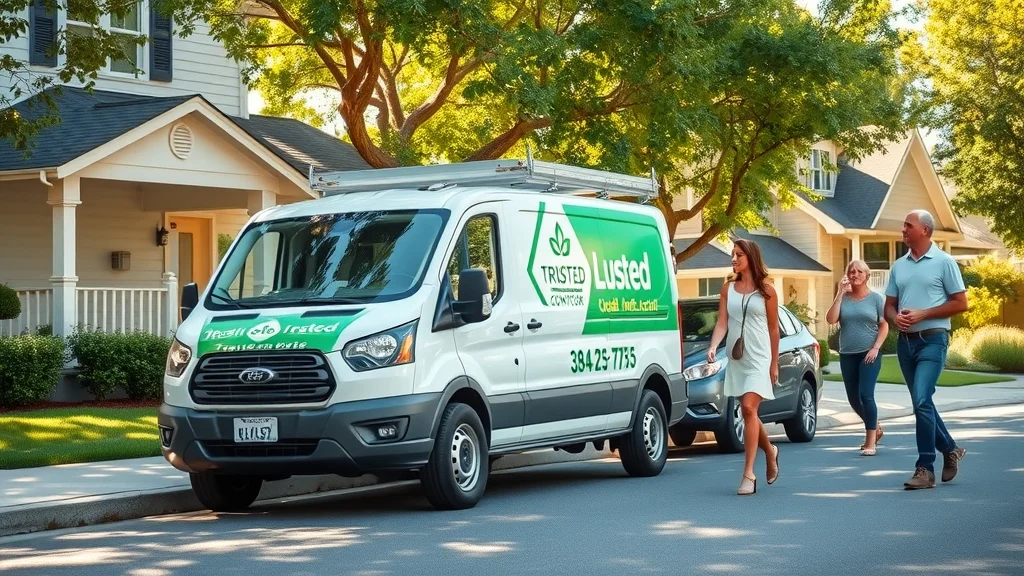
In both the residential specialty trade and general renovation sectors, being constantly visible—on the street, online, and via recurring word-of-mouth—gives contractors a significant, if subtle, edge. Homeowners gravitate toward businesses whose name, logo, or brand imagery they’ve seen repeatedly. This familiarity turns into direct inquiries, decreasing the need to compete in shared lead environments. In a market where the competition for each job site is intense, ongoing visibility is often as critical as technical ability.
Branding vehicles, yard signs, and maintaining updated online profiles all serve to increase recognition. Contractors who appear in multiple searches, have strong review scores, and are active in their communities find that customers call them directly—before a lead ever hits a paid platform. Over time, this consistent presence makes it easier to be the “default choice,” reducing reliance on racing for inquiries and minimizing the need to turn down jobs due to late responses.
Consistent Visibility and Familiarity in Remodeling Contractor Selection
It’s easier for homeowners to select contractors they’re familiar with, even if only by name or logo recognition. Consistent exposure—whether via branded trucks passing through the neighborhood, local sponsorships, or high-visibility web profiles—creates subconscious trust and preference. Contractors who’ve invested in visibility, across all residential construction employment niches, report fewer lost jobs due to lack of consideration. They spend less time racing to respond and more time selecting projects that match their skills and interests and personal aspects.
Ultimately, visibility softens the competitive intensity for each opportunity. The contractor who is known, trusted, and easy to find will almost always be considered first—and often chosen before forms you submit to lead platforms. This is equally true for remodeling contractors, plumbers, painters, and HVAC specialists. Local presence and familiarity remain unmatched advantages in customer decision-making.
Observations from the Field: Industry Voices on Why Remodeling Contractors Lose Jobs
“Many times, it’s not about being the cheapest or best—it’s who answers first. If you’re not visible, you’re invisible, and homeowners move on fast.” — General Contractor, Midwest
“Direct inquiries are the gold standard. Shared leads turn into a race, and if you’re not at the front, you’re out of luck. Quick, friendly replies go a long way.” — Owner, Residential Specialty Trade Company
“We’ve lost great jobs just because another contractor’s name popped up first on Google. Visibility is everything these days.” — Remodeling Contractor, Northeast
People Also Ask: What Are the Red Flags of a Bad Renovation Contractor?
Answer: Warning signs customers look for when evaluating a remodeling contractor
Homeowners scrutinizing potential contractors often look for several red flags. These include poor or missing online reviews, lack of clear business information, confusing or incomplete estimates, reluctance to provide references, unclear answers about building codes or permits, and high-pressure sales tactics. Another major concern is a contractor unwilling to answer questions confidently or who seems disorganized on-site. Homeowners gravitate toward those who provide clear steps, straightforward communication, and demonstrate strong knowledge of residential construction and specialty trade work.
People Also Ask: Is Contractor Work Slowing Down?
Answer: Trends that affect remodeling contractors and job availability
Across the construction industry, demand for remodeling contractor services shifts with broader economic conditions, real estate trends, and the health of the labor market. Bureau of Labor Statistics data shows that while some regions have seen slower growth in residential building activity, most specialty trade and remodeling contractors continue to see steady inquiries. That said, temporary slowdowns, changes in residential construction employment, or seasonal dips can influence both the number and type of jobs available, leading to more competition per project when times are slow.
People Also Ask: How Long Is a Contractor Liable for His Work After?

Answer: Understanding liability and warranty for remodeling contractors
Contractor liability, or the length of time a contractor is responsible for completed work, varies by state, contract terms, and project type. Most commonly, residential remodeling contractors offer warranties ranging from one to ten years on workmanship, with specifics explained in each contract. Liability for building codes and safety standards may extend longer, especially for structural or essential systems. Homeowners should always confirm warranty details in writing and ensure their contractor provides clear documentation about forms you submit and records for support of the purposes explained in this notice.
People Also Ask: What Is the Failure Rate of Contractors?
Answer: Common reasons remodeling contractors lose jobs or disconnect from the market
Nationwide, the construction industry and residential specialty trades experience a steady rate of business churn. Remodeling contractors and related professionals sometimes leave the market due to inconsistent lead flow, challenges maintaining visibility, or inability to compete with larger, more responsive companies. Failure rates rise when contractors lack steady activity on this service, turn down jobs too frequently, or don’t keep up with construction labor trends and customer expectations. Adaptability—updating processes for speed, communication, and service consistency—remains critical for long-term survival in this competitive field.
FAQs on Why Remodeling Contractors Lose Jobs
Why do customers choose one remodeling contractor over another?
Customers tend to choose the contractor who responds quickly, communicates confidently, and makes the process feel simple. Positive first impressions, online visibility, and reputation via reviews are also crucial decision factors. If a contractor is hard to reach or returns calls late, homeowners often move on to the next option, even if the original contractor is highly skilled.
How can remodeling contractors improve their chances of winning jobs?
Remodeling contractors can win more jobs by prioritizing fast and clear responses to inquiries, maintaining consistent online visibility, requesting and showcasing customer reviews, and making the first interaction as straightforward as possible. Investing in process efficiency—like digital forms or automated reply systems—can also help smaller contractors compete with larger firms that have more office support.
Do larger remodeling contractors have an advantage in response time?
Larger remodeling contractors often benefit from staff dedicated to monitoring and responding to new leads instantly. This allows them to secure appointments and move prospects through the pipeline rapidly. However, smaller contractors can still compete by developing disciplined routines for checking inquiries, using modern technology, and communicating with clarity and friendliness.
Key Takeaways: Why Remodeling Contractors Lose Jobs and Customer Decision-Making
Competition for remodeling jobs is shaped by lead platforms, speed, visibility, and a customer’s desire for simplicity and confidence. Contractors who make themselves consistently easy to find—and who respond quickly and clearly—enjoy a measurable advantage, both in winning new work and selecting higher-quality projects over time.
Lead Competition and Remodeling Contractor Visibility: The Enduring Reality
The reality of the construction and remodeling market is ongoing competition for every opportunity. Contractors, regardless of specialty—plumbing, electrical, painting, roofing, or general renovations—must blend speed, clarity, and continuous visibility to succeed. In the face of lead platforms that deliver the same homeowner inquiry to several businesses at once, those who build a reputation for being accessible, reliable, and easy to understand stand out over the long term.
How ongoing visibility builds trust and opportunity for remodeling contractors
Ongoing visibility works quietly but powerfully in any residential construction employment niche. Homeowners develop familiarity with contractors who appear in searches, show up in their neighborhood, and gain positive community reputation. This trust, built through repeated exposure, ensures that when a job arises, these contractors are called first—often before forms you submit or third-party platforms distribute the lead. It’s a silent but enduring advantage, turning the tables in favor of those who remain front of mind in their market.

Discover How Lead Generation Websites Work to Improve Remodeling Contractor Success
Learn more at https://localauthoritycontentsystem.com/lead-generation-website-system
Understanding the mechanics of lead generation websites can help remodeling contractors—and all trades—find more direct opportunities, minimize the need for rapid-fire competition, and earn more select, higher-quality jobs. Explore how visibility, clarity, and process improvement can work together by learning more at the above link and strategically enhancing how you connect with homeowners.
Conclusion
In the world of remodeling contractors, ongoing competition and the need for visibility are realities. Contractors who prioritize speed, clarity, and market presence win more jobs and build lasting trust—making visibility a silent but enduring advantage.
If you’re ready to take your contracting business to the next level, consider exploring broader strategies that go beyond lead generation and response tactics. The Local Authority Content System™ Insights & Strategy offers a comprehensive look at building long-term authority, trust, and visibility in your market. By understanding how structured content and strategic publishing can position your business as a local leader, you’ll unlock new opportunities for growth and resilience—ensuring you’re not just competing for jobs, but setting the standard in your industry. Dive deeper into advanced approaches and discover how to future-proof your contracting business for lasting success.



Write A Comment