


Imagine a customer landing on a website for a local business—maybe a bakery, a law office, or a home plumber. Before they’ve even scrolled much, a choice is made: stay and learn more, or bounce away. What makes them stay? The answer lies in the powerful intersection of content marketing and web design. In today’s digital landscape, understanding how website structure guides user behavior is key to winning new leads, no matter the business type.
Understanding the Intersection of Content Marketing and Web Design
- How small businesses compete online
- The role of web design and content marketing in customer decisions
- The impact of website structure on lead generation
- How to use effective content marketing strategy and website design principles to improve conversion
For every small business, online competition goes far beyond having a functioning website—it’s about standing out when potential customers are scanning options in the search results. Content marketing and web design must work together to create a user-friendly experience. The structure of your website—how pages are laid out, what messages are prominent, how easy it is to find information—directly impacts whether visitors become customers. Businesses that combine effective content marketing with clear, inviting web design increase their chances of making that all-important first impression. Visitors, often with attention spans of around eight seconds, make quick decisions based on what they see right away. When your content and design are in sync, you not only attract interest but guide users naturally toward action, improving your overall conversion rate.

Why Website Design Is Critical for Content Marketing Success
A website’s design does much more than create a visual first impression—it establishes trust, guides navigation, and shapes how content marketing delivers results. People judge the credibility and professionalism of a small business within moments of landing on a site. If the website design is cluttered or confusing, visitors may not even read your message—no matter the quality of your content marketing efforts. Small businesses competing online must recognize that the way a site feels and functions directly affects whether someone chooses to stay, browse, and eventually convert into a lead or customer.
Combining visually appealing layouts with a focus on clarity ensures that the value of your business is easy to understand instantly. Web design supports content marketing by making valuable information easy to find, highlighting calls-to-action, and adapting the experience for both desktop and mobile users. This is especially important given that most potential customers compare multiple options during their search. Winning their attention—and their trust—comes down to how meaningful and navigable the website appears from the very first click.
Website Design: First Impressions and Customer Behavior
First impressions count. When potential customers arrive at a web page, they almost instantly assess whether or not it feels trustworthy and relevant. In fact, research suggests that users form an opinion about a website in under a second, mainly based on design elements. For small businesses, this means every element—from the hero image to the headline to the colors used—shapes perception. A well-designed website helps reduce bounce rate by keeping visitors interested. When your content marketing strategy is effectively supported by clean design, the messaging is clearer, and users feel encouraged to stay and explore. This trust translates into a higher chance of those visitors taking the next step, whether that means contacting you, making a reservation, or filling out a booking form.
It’s also important to note that customers today expect to understand what a business offers right away. Unclear homepage messaging or visually overwhelming layouts make it easy for visitors to feel lost, which increases the odds of them clicking away. The combination of effective content and welcoming design increases engagement, helping small businesses keep up with larger competitors in digital marketing.
How Visitors Scan, Scroll, and Compare Online
Modern internet users rarely read everything on a web page—they scan, scroll, and quickly compare options. Most people use an F-shaped or reverse pyramid reading pattern, focusing on the top and left side of the page before moving downward. This means your website design and content must highlight the most important messages, offers, or calls-to-action early and often. When visitors scan a page, headlines, bullet points, and bold text stand out more than long paragraphs. Strong web design breaks up content, making valuable insights easy to spot.
Scrolling is now the preferred way users navigate websites, especially on mobile devices. Rather than loading multiple pages or clicking through complicated menus, users want to move quickly and intuitively to the information or action they desire. Too many clicks or layers of navigation create friction, causing potential customers to leave. When your website design matches how people really browse, your content marketing strategy becomes much more powerful in converting visitors to leads.
For businesses looking to refine their approach, adopting a structured publishing system can further enhance the synergy between content and design. Discover practical steps for implementing a streamlined content strategy in the Structured Local Authority Publishing guide, which outlines actionable methods for organizing and presenting information to maximize user engagement.
Mobile-First Approach and User Experience in Web Design
The majority of visitors now browse on their phones. This mobile-first reality shapes how content marketing and web design need to operate together. A successful small business website must adapt to any screen size, presenting content and navigation in a format that’s easy to read and interact with. Mobile-friendly layouts prioritize clear calls-to-action, legible text, and streamlined navigation that encourages scrolling rather than clicking.
Mobile-first design also influences load times and user satisfaction, both of which are crucial for capturing leads. If potential customers have to pinch, zoom, or wait for slow-loading features, they’ll likely move on to the next business. A responsive, fast, and user-centric website ensures that your marketing strategy works everywhere your audience is, giving your business the advantage in a crowded marketplace. Effective content and thoughtful website design go hand in hand in creating the smooth, intuitive experience that modern consumers demand.
Content Marketing and Web Design for Lead Generation
Generating new leads is the top goal for most small business websites. But traffic alone does not turn into customers. The reality is, a business’s website must actively guide users toward conversion—moving from interested visitors to actual inquiries, bookings, or sales. This requires a blend of effective content marketing that communicates value and web design that points users toward the desired next step with as little friction as possible.
Many businesses invest in digital marketing or social media to drive visits, but fail to see results because their website design or content is confusing, slow, or lacks clear direction. To improve conversion rates, the path from landing on the site to taking action needs to be obvious and motivating. This intersection—where design and content work seamlessly—is where lead generation thrives.
Defining Conversion: Turning Visitors into Leads
In the context of content marketing and web design, conversion means turning a website visitor into a lead. A “lead” could be a phone call, a form submission, a booking request, or even a direct purchase depending on the business. Clear conversion points—like contact buttons, appointment forms, or newsletter sign-ups—should be strategically placed and easily accessible across all devices.
Each conversion point should make the next action feel simple and natural. Visitors should never have to think too hard about what to do next. When content and calls-to-action are easy to find, supported by well-structured design, you reduce the barriers that might cause users to give up or get frustrated. Clarity, simplicity, and immediate value in both your content and web design are what make a true difference in lead generation success.
| Business Type | Primary Conversion Point | Common Visitor Action | Potential Friction |
|---|---|---|---|
| Home Services (Plumber, Electrician) | Call Button / Quote Form | Scroll, scan home page info, click to call | Multiple pages to find phone or unclear offer |
| Medical Provider | Appointment Request Form | Look for credentials, request appointment | Navigation buried, slow-loading pages |
| Retail / Restaurant | Menu/Order Button, Map Link | Scan menu, tap location, start order | No visible buttons, confusing links |
| Professional Services (Lawyer/Accountant) | Consultation Request, Email, Call Now | Browse services, look for credibility, request info | Complex menu, unclear services, lengthy forms |
One-Page Websites: Reducing Friction in Content Marketing and Web Design
One of the most effective approaches today is the one-page website. Many small businesses achieve better results with a simple, scrolling layout that gathers all the essential information—about, services, testimonials, and contact forms—on a single page. This structure matches real browsing habits and reduces the number of clicks required to reach key content or calls-to-action. Fewer clicks mean less friction and a higher conversion rate. Visitors are naturally guided through the story of the business, from what you do to why you’re credible to how customers can act.
For content marketing and web design to support lead flow, a single-scrolling page provides a clear narrative and makes important CTAs hard to miss. Small businesses with one-page designs often notice that potential customers spend more time on site, engage more deeply with the content, and are less likely to get lost or distracted by complicated menus. The easier and more natural the journey, the more likely a visitor will become a lead.
Clear Calls-to-Action and Effective Content for Lead Generation
The heart of successful content marketing and web design for lead generation is direct, unmistakable calls-to-action (CTAs). A CTA could be a prominent button, a contact form, or an invitation to book an appointment. Effective CTAs rise out of the content narrative—after a clear headline, key service description, or persuasive testimonial—making it obvious what visitors should do next. All content should support and reinforce the journey to that next step.
For every small business, clarity in messaging is crucial. If the value is apparent and the path to action is simple, visitors are less likely to hesitate or second-guess. Well-written, easy-to-find content leads users naturally from initial interest to taking real, measurable actions. This clear focus is what transforms casual interest or web traffic into usable leads, driving steady growth in the long run.
“A website that clearly states its value and provides an easy path to action will win the attention of fast-scrolling customers.”
Content Structure and Its Impact on Website Design and Lead Flow
The way you organize your content—whether that means simple, sequential sections or a complex multi-page hierarchy—shapes how visitors interact with your website. Structure has a direct effect on lead flow: when information is easy to find, visitors are more likely to stick around, understand what you offer, and take the next step. This is where content marketing and web design overlap to create a seamless experience.
Simple structure helps guide the reader’s attention, placing calls-to-action within reach, and making it less likely that visitors will get lost. Complex menu systems, on the other hand, often increase exit rates and reduce completed inquiries. When your content marketing strategy aligns with real browsing habits, the likelihood of converting visitors increases, providing better results for your digital marketing efforts.
Simple Structure vs. Complex Navigation in Content Marketing and Web Design
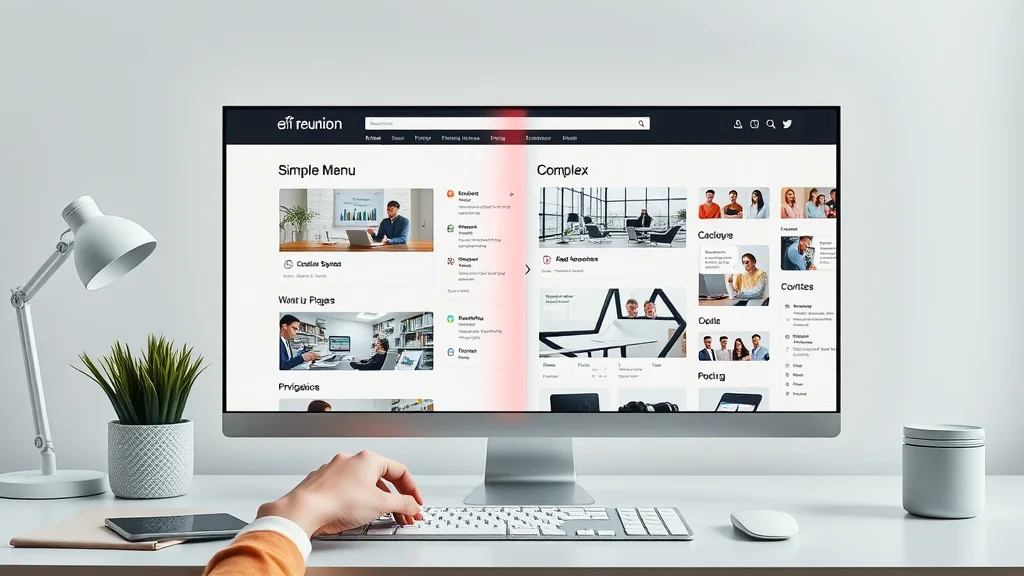
Simple website structures—where the path from landing to action is clear and direct—are much more successful in converting leads than sites loaded with complex navigation. Fewer menu items, clear section divisions, and straightforward flow reduce confusion and make it easier for visitors to act. Complex navigation, often seen in older websites, requires users to click multiple times to reach essential information.
Every additional click or decision point risks losing a potential customer, especially those with short attention spans. A streamlined navigation paired with a logical content strategy ensures visitors can quickly scan, find what matters, and take the intended next step without backtracking or searching. Simplicity in content marketing and web design increases trust, supports better conversion rates, and provides a competitive advantage over businesses relying on outdated web structures.
How Page Speed and Clarity Affect User Behavior

Users expect instantaneous results online. Slow-loading pages are a major reason why visitors abandon websites and rarely return. Page speed is a key part of website design and directly affects the performance of content marketing efforts. Even slight delays in loading can cause frustration, especially on mobile devices. When load times are fast and content appears promptly, visitors remain engaged and are more likely to become leads.
Clarity in messaging is equally important. If visitors don’t immediately understand what your business offers, they’ll scroll past or leave. Fast page speed paired with clear, bold headlines and concise explanations creates the best experience for potential customers. When your website design and content focus on clarity and efficiency, you reduce your bounce rate and increase the odds of turning each visit into an actionable lead.
Matching Content Marketing Strategy to Actual Browsing Habits
Successful content marketing and web design relies on understanding how people really use websites. Visitors don’t read word-for-word—they look for visual cues, section headers, and immediate value. Scrolling, not clicking, is the dominant browsing habit. To match this, your content marketing strategy should prioritize visible, bold statements, clear service descriptions, and links or buttons that don’t require hunting through complex menus.
Adapting your structure and marketing strategies to user expectations leads to higher engagement and conversion rates. This is particularly true for local and small businesses competing against larger brands: focusing on clarity and relevance allows you to reach your target audience quickly and efficiently. The connection between design and content determines whether your site generates more leads—or leaves opportunities on the table.
How Businesses Compete for Online Leads Using Content Marketing and Web Design
In the competitive online world, small businesses are judged not just by what they offer, but by how clearly and quickly they communicate it. Customers scan through search results, comparing businesses and often choosing the first one that “makes sense” to them. This means content marketing and web design need to work together to highlight your credibility, make your offer easy to understand, and provide a path to action without confusion.
Businesses that prioritize user experience, page speed, and direct messaging consistently outperform those that rely on reputation alone. Most visitors do not fully evaluate every site they visit—they choose based on which website feels the easiest and most appealing. Having a mobile-optimized, easily navigated website gives your business a better chance of being selected in moments of comparison.
Competing on Clarity, Speed, and User Experience
Clarity, speed, and positive user experience form the foundation of effective online competition. It’s not just about providing valuable information—it’s about doing so in a way that’s immediately accessible. The best content marketing and web design strategies make sure visitors don’t have to dig for what they need. Load times are minimized, and navigation is straightforward, with each page or section leading logically to the next.
When your content strategy lines up with real-world user behavior, you invite more engagement, reduce bounce rates, and increase conversion rates. Focus on how quickly your value is understood, how your calls-to-action stand out, and how all friction is removed from the browsing journey. These are the traits that help small businesses win online—often against much larger competitors.
The Importance of Clear Messaging in Influencing Customer Decisions
When potential customers land on your site, they often have several tabs open, scanning many options side by side. The site that communicates its value most clearly—both in the text and in the design—will almost always win their business. Clear, direct messaging gives visitors confidence and makes them feel like they’re in the right place.
Vague service descriptions, missing details, or crowded layouts drive users away. In contrast, a content marketing strategy that favors explicit, concise information coupled with calls-to-action makes it easier for customers to decide in your favor. Every section of content must support this goal: clarity over cleverness, stability over flash.
Common Content Marketing and Web Design Mistakes That Cost Leads
- Unclear homepage messaging
- Overly complex navigation
- Slow page load times
- Lack of visible calls-to-action
- Failing to adapt to mobile users
Many small businesses lose leads not because of their services or reputation, but due to what visitors see—and don’t see—when arriving on their site. Unclear homepage messaging fails to explain what the business does. Complex navigation frustrates users trying to find essential information. Slow loading times drive away even interested visitors who won’t wait for a page to appear. Calls-to-action that are buried or missing make it unclear how to take the next step. Finally, ignoring mobile users alienates the growing majority who browse on their phones. Avoiding these typical errors ensures content marketing and web design both work toward generating more leads.
People Also Ask: Essential Questions About Content Marketing and Web Design
How does web design affect content marketing?
Web design shapes how content is consumed and remembered. A well-designed website ensures that high-quality content stands out, is easy to navigate, and guides visitors toward actions like contacting the business or making a purchase. A poorly designed site, no matter how strong the content, can result in higher bounce rates and lower conversion. In short, web design is the platform that either empowers or undermines your content marketing strategy.
What is the 3 3 3 rule in marketing?
The 3 3 3 rule in marketing is about capturing a customer’s attention within 3 seconds, ensuring your main value proposition is understood in 3 lines, and guiding the visitor to act in 3 clicks or less. This approach helps content marketers and web designers prioritize brevity, clarity, and efficiency, which are essential for modern web browsing habits.
What are the 5 C's of content marketing?
The 5 C’s are Clarity, Consistency, Credibility, Creativity, and Customer-focus. Clarity ensures your message is easily understood. Consistency builds trust over time. Credibility comes from facts and authenticity. Creativity makes your content memorable. Customer-focus ensures your content meets the real needs of your target audience. Integrating these principles into both content marketing and web design elevates the effectiveness of every web page.
What are the 4 types of content?
The four main types of content are informational, educational, entertainment, and promotional content. Informational content answers direct questions and shares facts. Educational content teaches visitors a process or concept. Entertainment content engages users emotionally or with humor. Promotional content urges users to take a desired action. A sound content marketing strategy incorporates each type in a balanced way, with website design making it easy for visitors to explore and act on all four types.
Frequently Asked Questions on Content Marketing and Web Design
How can small businesses improve their website for more leads? Focus on clear messaging, fast page loads, mobile-first layouts, and strong, visible calls-to-action. Simplifying structure and aligning content with user behavior make it easier to convert visitors into customers.
Do one-page websites really work for all types of businesses? While not every business will benefit equally, most local and service-based businesses find that one-page designs reduce friction and increase engagement. The key is ensuring all essential information is clearly presented and actionable on a single scroll.
What’s the most common reason businesses lose online leads? Confusing navigation, unclear messaging, and a lack of direct calls-to-action cause visitors to leave. Meeting customer expectations for simplicity and clarity is the most effective way to prevent lost leads.
How important is mobile optimization to lead generation? Extremely important. The majority of searches and website visits now happen on mobile, so designs and content must be optimized for smaller screens. Businesses that ignore mobile optimization often miss out on leads despite appearing in search results.
Key Takeaways: Improving Your Lead Generation Through Content Marketing and Web Design
• Structure and clarity matter more than ever—visitors decide in seconds. • Simple, mobile-friendly design reduces friction and increases conversions. • Clear, direct messaging quickly communicates your offer. • Content marketing and web design must work in harmony for maximum results. • Regularly review and refine your site’s structure and calls-to-action for continued improvement.
Building Trust and Visibility: Final Thoughts on Consistency and Clarity
Building an effective online presence—and seeing real results—takes time, but even small improvements pay off. Consistent, clear content and design help your business become recognizable and trustworthy, making it more likely potential customers will choose you over others.
Ready to See How Lead Generation Websites Work?
Learn how a lead generation-focused website can help your business attract more customers. Explore real examples and see what a clear, conversion-optimized design looks like: How Lead Generation Websites Work
If you’re ready to take your digital presence to the next level, consider exploring broader strategies that integrate content, authority, and local visibility. The Local Authority Content System™ Insights & Strategy offers a comprehensive look at building trust and authority through structured publishing, helping you not only generate leads but also establish long-term credibility in your market. By aligning your content marketing and web design with proven frameworks, you can unlock new opportunities for growth and stand out in even the most competitive local landscapes. Dive deeper into advanced tactics and discover how a strategic approach can transform your results.




Write A Comment