


Imagine searching for a plumber, a chiropractor, or a cleaning company online. You find several websites, scan each one quickly, and decide almost instantly which business feels right. Why do certain service businesses earn your trust right away while others feel confusing or get skipped over? In today’s digital age, the way customers make these decisions happens fast—and small choices in website design can mean the difference between gaining a new client or losing them to a competitor. This article explains exactly how customers choose service businesses online, what website factors matter most, and how small improvements can have a big impact on generating more leads.
Understanding How Customers Choose Service Businesses Online
“Most visitors form an opinion of a service business within seconds of landing on the website.”

Every day, millions of people look for local service businesses using their phones, laptops, and tablets. The decision of which provider to contact happens much faster than many business owners realize. Research shows that most visitors form a first impression within eight seconds of landing on a site. They don’t read long blocks of text or navigate complex menus—instead, they scan, scroll, and compare. This means the structure, clarity, and design of a service business website have a direct impact on whether someone becomes a potential customer or moves on. The businesses that win attention are those that communicate quickly, make their services obvious, and make taking the next step simple.
To stay competitive, small businesses in every field—from restaurants and home services to accountants and medical clinics—need to understand these online behaviors. Customers today compare providers in seconds, usually clicking through several options from a search engine or social media. If one site is confusing, slow, or unclear, most people leave without a second thought. That means a business isn’t just competing on service quality, but on how easily a website helps potential clients understand what’s offered and how to take action. By focusing on clarity, fast mobile performance, and simple structure, even the smallest service businesses can build trust and attract more leads online.
Understanding how customers behave online is only part of the equation—structuring your website content in a way that aligns with these behaviors is equally important. For a deeper look at how to organize and publish content that builds authority and trust, explore the Structured Local Authority Publishing approach, which offers practical strategies for service businesses aiming to stand out in local search results.
What You'll Learn About How Customers Choose Service Businesses Online
- How customers scan, scroll, and decide on service businesses online
- The role of first impressions and clear messaging in service business choices
- Why website structure and design shape decisions for service businesses
- Practical improvements any service business can implement to attract more customers
Scenario: How Customers Choose Service Businesses Online in Real Life
Visitors' First Few Seconds: The Crucial Window for Service Businesses
In practice, when someone visits a service business’s website, the first few seconds are the most important. This is when initial trust and curiosity are either gained or lost. Visitors glance at the headline, logo, and main images, then look to see if the site seems professional and speaks directly to their needs. If the message is confusing, the layout cluttered, or the site slow to load, many will leave immediately. This snap judgment is not because visitors are impatient, but because there are so many similar choices available. A first impression is often not just about design but about how easily someone can tell, “Does this service provider help people like me?” Successful websites for service businesses put the essential information—what you do, who you serve, and how to take action—right at the top, reducing friction and building confidence from the outset.
Service businesses that understand this window of attention are able to convert more visitors into inquiries, calls, or bookings. The key is to provide a clear value statement, prominent calls-to-action, and trust signals right on the homepage, especially above the fold. This approach ensures each potential client instantly understands what sets your business apart from other service providers. Remember, website visitors do not want to work hard to find answers—they decide quickly, and your website should guide them, not make them guess.
How Scanning and Scrolling Affect Service Provider Selection
Scrolling and scanning have become the natural ways people interact with modern websites. Instead of clicking through multiple pages or menus, users prefer to scroll down a single page, where all the important information—services, testimonials, and contact details—is organized logically. This matches how customers want to consume content: quickly comparing the basics before deciding whom to contact.
If a service business website requires too many clicks to understand what is offered or how to take action, the risk of losing a potential customer rises sharply. Every extra step equals more drop-offs. Streamlined, one-page websites present services, reviews, pricing details, and a call-to-action in a cohesive flow, making it easy for visitors to evaluate and commit. This “scroll-first” design not only fits how mobile users operate but reduces hesitation, making the process seamless for a wider range of potential clients looking to hire a local service provider.

Mobile Browsing and Its Impact on How Customers Choose Service Businesses Online
Mobile devices now account for most website visits in nearly every local industry. This shift to mobile browsing means the structure of a service business website has never been more important. Visitors expect fast load times, easy navigation, and content that fits perfectly on their phone or tablet screens. Sites that are not optimized for mobile create friction—from awkward menus to text that requires pinching and zooming—which quickly pushes people away.
Businesses that embrace a mobile-first approach by using responsive design, streamlined sections, and click-to-call features provide a better customer experience. This matches how the majority of people research and select service providers: on the go, during breaks, or while multitasking. Mobile-first websites demonstrate professionalism and consideration for the ideal customer’s busy lifestyle, making it much more likely that visitors will convert into actual leads.
Key Factors That Influence How Customers Choose Service Businesses Online
Clarity and Simplicity: Why Confusing Websites Cause Service Businesses to Lose Customers
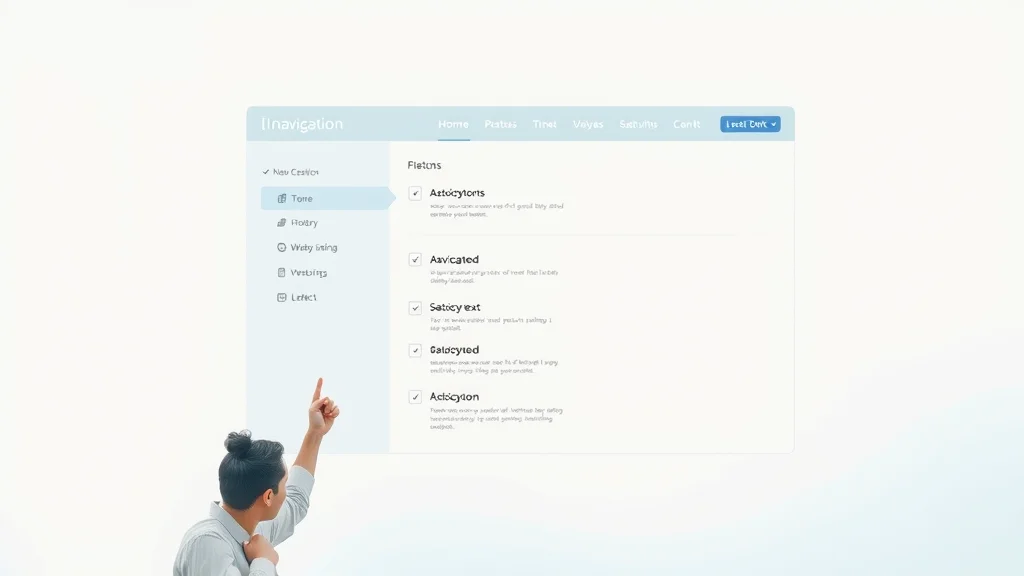
The number one reason service businesses lose leads online isn’t poor service—it’s website confusion. When a visitor lands on a site and cannot immediately tell what is offered, who it’s for, or how to get in touch, they click away. Clear service descriptions, straightforward headlines, and messaging that speaks directly to the target customer are crucial. Simple navigation (or even a single-page layout) further reduces decision fatigue. Instead of making visitors hunt for answers across menus or multiple pages, a well-organized site brings key information together—services, benefits, testimonials, contact—to the top.
- Clear service descriptions and business messaging
- Simple navigation and single-page structure
A confusing structure disrupts the customer journey. The easier a site is to follow, the more likely a visitor will stay, understand the value, and take the next step. This is why focusing on clarity in every section—using plain language, logical flow, and consistent design—is a competitive advantage for small businesses. Even with a modest budget, a simple, professional, and clear website can outperform larger competitors who rely on flashy but confusing layouts.
Page Speed and Mobile-First Approaches for Service Providers
Page speed is a silent factor—but a powerful one—in how customers choose service businesses online. Studies show that even a one-second delay can cause a significant drop in visitor engagement. Potential clients expect sites to load instantly, especially on mobile networks. If your site is slow, the average visitor will back out and check the next option in search results.
Adopting a mobile-first approach ensures that your website isn’t just fast, but organized in a way that matches how people navigate on smaller devices. Important sections—what you do, your unique offer, testimonials, and a direct call-to-action—must appear quickly and look sharp on any screen. When service businesses prioritize speed and responsive design, they show respect for visitors’ time, which increases the chance of capturing new leads.
The Impact of Visual Trust Signals and Professional Design for Service Businesses
Visitors trust what looks professional. Strong visual elements—such as clear company logos, images of real staff and satisfied customers, industry badges, and clean layouts—reassure people that a service business is legitimate. Visual trust signals are subtle cues that show a business pays attention to detail and is established enough to be trusted with personal or sensitive needs.
Professional design does not require heavy graphic elements or complex animation; in fact, minimalism is often more effective. High-quality photography, consistent branding, and visible contact options all contribute to a sense of legitimacy. Testimonials and review highlights, placed where visitors can immediately see them, offer social proof that real customers have had positive experiences, nudging potential leads to take the next step.
Conversion: What It Means for Service Businesses Online
Converting Visitors with Guided Calls-to-Action in Service Business Websites
Conversion is the moment a website visitor takes the intended action—making a call, booking a service, submitting a contact form, or requesting a quote. For service businesses, guiding the customer to this step is essential. Strong, simple calls-to-action (CTAs) such as “Book Now,” “Call Today,” or “Request a Free Estimate” help visitors know exactly what to do next.
The most effective CTAs are placed where visitors pause—after service descriptions, next to customer reviews, and always at both the top and bottom of the website. Visual cues like bold buttons or highlighted sections make it easy for anyone, on any device, to take the intended next step. This turns website traffic into real opportunities, supporting the business’s growth in a measurable way.

Why Many Service Businesses Struggle to Generate Leads Online
It’s common for small businesses to invest in websites but still fail to generate leads. Traffic alone rarely turns into paying customers unless the site guides behavior. Many sites simply act as digital brochures, loaded with details but missing a clear path for the visitor to follow. If the website isn’t clear about what makes your service business unique or how to book an appointment immediately, visitors often move on to another provider who is.
“A website must guide the visitor, not just inform. Clarity always outperforms complexity in lead generation for service businesses.”
Removing unnecessary clicks and information clutter makes converting much easier. Rather than making visitors click through multiple pages or search for a contact form, putting the next step in plain sight builds trust and increases engagement. Small improvements in structure, messaging, and CTA placement can quickly improve the number of incoming calls and online inquiries for any service provider.
How Service Businesses Compete Online: Clarity vs. Complexity
| Feature | Clarity & Simplicity | Complexity |
|---|---|---|
| Home Page | Clear headline, value statement, easy navigation | Cluttered layout, unclear messaging, many pop-ups |
| Navigation | Single-page or minimal clicks | Multiple menus, hidden options |
| Calls-to-Action | Visible, above-the-fold, clear actions | Barely visible, scattered, too many choices |
| Mobile Experience | Responsive, fast loading, touch-friendly | Non-responsive, slow, difficult navigation |
| Trust Cues | Testimonials, professional images, badges | Few reviews, generic stock photos |
The Role of Customer Service and Live Chat in How Customers Choose Service Businesses Online
Today’s customers expect direct and immediate ways to connect with businesses. Live chat and strong customer support options are increasingly important for service businesses online. Adding a live chat feature provides a convenient, real-time channel for answering questions, reducing barriers, and boosting customer satisfaction. Many customers, especially those comparing several service providers, are more likely to choose the business that responds fastest or provides the clearest help.
Exceptional customer service doesn’t just happen after the sale—it starts the moment a visitor arrives on the site. Including live chat, easy-to-find phone numbers, or quick contact forms demonstrates a focus on building relationships and being available. These elements set businesses apart, enhancing trust and engagement with both new and returning potential clients.

The Influence of Online Presence and Social Media on Service Providers
Modern customers use more than just search engines to compare service businesses—they also check social media profiles, review platforms, and online directories. A strong online presence means keeping business information consistent across all channels customers might use. This includes having an active Facebook, Google Business Profile, or Instagram, and regularly posting updates or answering questions. Positive social signals, such as quick responses and regular interaction, help demonstrate credibility.
- How customers compare service businesses from search to social channels
- Integrating social proof and reviews for customer trust
Integrating reviews, testimonials, and photos from satisfied customers builds trust. The more visible and authentic your reputation, the easier it is for customers to choose your service business out of the many options. Connecting the dots between website, social media, and independent review sites gives the impression of stability, reliability, and engagement—factors that matter to anyone seeking a trusted provider.
Website Visibility and Decision-Making: Making the Right Impression
Why Confusion Causes Customers to Leave Service Provider Websites
Every extra second of hesitation or confusion on a website drives potential clients away. If the layout is complex or the offer is buried under too much text, customers often leave before learning what makes your business special. Simplicity wins: intuitive sections, clear labels, and a direct value proposition explain what you do and how you can help the ideal client. Remember, confusion isn’t just about visuals—uncertain messaging, technical jargon, or contradictory information all create doubt.
Businesses that focus on clear explanations and a linear, guided experience see more leads. The best websites are structured so visitors never wonder, “What do I do next?” Instead, they move smoothly from learning about services to seeing proof (like testimonials) and then to a simple form, call button, or booking tool. Each step removes obstacles and increases the likelihood of conversion.
The Connection Between Online Visibility, Recognition, and How Customers Choose Service Businesses Online
Online visibility is more than appearing in search engine results—it's about being recognized and trusted at a glance. Consistency in branding, messaging, and content across the web builds recognition, which increases the chances a potential customer will remember and select your service business over others. First impressions from your website influence whether visitors stick around or leave, while recognition and reputation nurture trust.
“First impressions online are everything. Businesses that are easier to understand are more likely to win the customer.”
Improving your online presence, strengthening trust signals, and ensuring your message is crystal clear help you compete not just on service quality, but on how memorable and reliable your business appears compared to others in the same field.
People Also Ask: How Customers Choose Service Businesses Online
What are the top factors customers consider when choosing a service business online?
The main factors customers consider are: how clearly the business explains its services, how quickly they can understand the offer, visible trust signals like reviews, the ease of navigation, and whether there’s an easy way to take action (such as calling or booking). Professional appearance, page speed, and strong social proof also encourage trust and selection.
How does website design affect customer decisions for service providers?
Website design influences decisions by shaping first impressions and guiding user behavior. A clean, uncluttered design with obvious calls-to-action helps visitors quickly find what they are looking for, which increases the chance they will contact the business. On the other hand, a confusing or outdated design can make customers leave and choose another provider.
Why is mobile-friendliness important in how customers choose service businesses online?
Most people now browse on their phones or tablets, so a mobile-friendly site is essential. Sites that load quickly and look good on mobile make it easy for visitors to access key information and contact you. If your site isn’t mobile-friendly, users are likely to leave and contact a competitor whose site works better on their device.
What mistakes cause service businesses to lose potential customers online?
Common mistakes include unclear or hidden service descriptions, too much text or technical jargon, confusing navigation, a lack of visible contact options, slow page loading, and weak trust signals. Each of these issues makes it harder for visitors to understand the business or take action, resulting in lost opportunities.
Do customer reviews influence how people choose a service business online?
Yes, reviews play a crucial role. Good reviews provide social proof that a business is trustworthy and reliable. Many customers read reviews before making a decision, so highlighting positive feedback and testimonials on your website can strongly influence a visitor’s choice.
Top 5 Website Mistakes That Drive Customers Away
- Unclear service offerings or confusing headlines
- Slow load times, especially on mobile
- Hidden or hard-to-find contact information
- Cluttered layouts and too many menu options
- Lack of reviews or visible trust signals
Key Takeaways on How Customers Choose Service Businesses Online
Customers make decisions quickly, scanning for clarity, trust, and an easy next step. Simple, focused websites with strong calls-to-action consistently outperform complex sites. Service businesses that prioritize speed, mobile-friendliness, clear messaging, and social proof will attract more leads and build a better customer base.
Building Trust and Improving Clarity: The Path Forward for Service Businesses
Consistency and Visibility Lead to Better Results

Continually improving your online presence, keeping information updated, and responding promptly to inquiries all contribute to building trust with clients. Over time, the more visible and reliable your business appears, the more likely customers are to choose you from all available service providers.
How Small Improvements Can Increase Leads for Service Providers
Even modest changes—simplifying navigation, clarifying your value proposition, adding live chat, or improving site speed—can significantly boost results for service businesses online. Consistency, clarity, and a single-page, mobile-first approach help visitors understand your business, feel confident, and take action. Small efforts add up, leading to more satisfied customers, better reviews, and real business growth over time.
Learn More: How Lead Generation Websites Work
Explore lead generation system benefits and next steps for service businesses: https://localauthoritycontentsystem.com/lead-generation-website-system
Building a stronger online presence starts with clarity, consistency, and a customer-first website. Small improvements can help any service business turn visitors into loyal customers.
If you’re ready to take your service business’s online strategy to the next level, consider exploring broader frameworks that go beyond website tweaks. The Local Authority Content System™ offers a comprehensive approach to building trust, authority, and visibility in your local market. By adopting structured publishing and strategic content planning, you can position your business as the go-to choice in your area—ensuring your online presence not only attracts more leads but also establishes lasting credibility. Dive deeper into these advanced strategies to future-proof your digital marketing and stay ahead of the competition.




Write A Comment