


Imagine you’re looking for a new dentist. You type a search into your phone, scan a few websites, and within seconds, you know which one you’d feel comfortable calling. In the digital world, first impressions are formed quickly—and they’re often the deciding factor behind whether someone schedules an appointment or keeps searching. Understanding how patients choose dentists online helps dental practices—and all local businesses—craft websites that guide visitors straight to that crucial next step.
Introduction: Understanding How Patients Choose Dentists Online
The way people select a healthcare provider has changed dramatically in the age of the internet. Instead of asking friends or flipping through phone books, most individuals begin their search for dental care online. For dental practices and other local businesses, the journey potential patients take from that first online search to booking an appointment is influenced by a few critical factors. These include website clarity, mobile-friendly design, the speed at which information loads, and how easily visitors can understand what the business offers.
In this article, we’ll break down the core reasons why customers—whether they seek dental care, home services, or retail experiences—choose one provider over another online. We’ll uncover how design choices, content layout, and simple messaging can turn brief website visits into real appointments, using observable behaviors from the way people interact with modern sites. By understanding these principles, businesses of all types can improve their online presence and grow their customer base.
Why Online Choices Matter for Dental Practice and Dental Care
Every dental practice relies on a steady stream of new patients to thrive. But attracting new patients isn’t just about offering top-tier dental services—it’s also about how clearly and quickly a dental office communicates its value online. When someone needs oral health care, they’re likely to compare several dental practices using search engines, reading patient testimonials, and evaluating online presence. The site that feels easiest to understand and most trustworthy often wins the appointment, no matter how similar the underlying services may be. This dynamic plays out similarly in every local small business sector, where instant impressions and user experience shape customer decisions.

What You'll Learn About How Patients Choose Dentists Online
- The fast decision-making process of online visitors
- The role of first impressions for dental practice websites
- Why clarity and mobile-first web design are essential for dental care providers
- How clear calls-to-action increase patient appointments
- Ways dental practices can improve visibility and lead generation
The Online Patient Journey: How First Impressions Impact Dental Practices
When potential patients search for dental care or other essential services, their journey starts long before stepping into an office. What happens in those first few seconds after landing on a website often determines who gets the call. Most users rely on initial gut feelings and perceived professionalism to judge if a provider is trustworthy. For dental practices, this means a neat, easy-to-read web page, friendly imagery, and quick-loading content are as essential as positive feedback or clinical credentials.
This same principle guides customer behavior across all industries. When a person is searching for a home service provider, a restaurant, or even a retail offering, first impressions determine how comfortable and confident they feel about making contact. Providing the right information up front and keeping visitors engaged can lead to more appointments, reservations, and inquiries.
For dental practices aiming to refine their online presence, understanding the structure and flow of content is crucial. Exploring the Structured Local Authority Publishing approach can offer practical strategies for organizing information in a way that resonates with today’s fast-scanning website visitors.
The 8-Second Rule and the Scanning Visitor Behavior
Research suggests that the average online visitor’s attention span is about eight seconds. In those precious moments, customers are scanning for cues—like clear business names, visible calls-to-action, and easy navigation—that signal reliability and directness. Rather than reading every word, most people scroll and glance at headings, buttons, and images to decide if a site fits their needs. Dental practices need to consider that potential patients behave more like fast-moving browsers than careful readers. This same scanning behavior applies in every market segment, from retail to hospitality.
If a business’s most valuable details are buried under layers of navigation or lost in cluttered design, many visitors will simply close the tab and move on. Successful websites minimize friction. They structure information in a way that helps visitors see instantly what the business does, the benefits offered, and how to take the next step. The result: more appointment requests, bookings, and conversions for those who get it right.

Why Dental Practice Websites Must Capture Attention Quickly
The initial view of a dental practice’s homepage can determine whether a potential patient stays or leaves. If the website looks modern, is easy to scroll, and quickly clarifies available dental services, trust is established almost immediately. A clear, concise introduction builds trust and encourages those seeking oral health solutions to keep exploring. On the other hand, slow load times or an unclear value proposition can drive visitors away before they read even a single paragraph.
"Most visitors decide within seconds whether to stay on a website or move on."
This truth extends to every small business, from real estate to medical providers. The best web design anticipates short attention spans and turns those first impressions into lasting relationships—and ultimately leads—by reducing the effort required to understand what’s on offer.
The Role of Scrolling and Structure: How Patients Browse for Dental Care
Website visitors expect easy, uninterrupted scrolling—not a cascade of pages and links. For dental practices and all local businesses, structuring websites in a way that supports this natural browsing habit is crucial. A single-page layout or clear sectioning helps people absorb information at their own pace, with less risk of getting lost or frustrated midway through a decision. When sites match how patients actually browse, the likelihood of booking a patient appointment increases significantly.
Why Visitors Prefer Scrolling Over Clicking in Dental Practice Websites
Scrolling feels effortless on modern devices, allowing users to view the entire picture without having to click and reload new pages. Clicking is often seen as a commitment or a risk; it interrupts the flow and can cause visitors to lose patience or context. Dental practice websites—and those of other customer-focused businesses—find greater success by placing all critical information on a single page or keeping navigation extremely simple. This not only improves the patient experience but also leads to higher conversion rates across the dental market and beyond.
Even outside dentistry, from home repair to retail, simpler, scroll-focused websites outperform those that rely on complex menus and deep subpages. Reducing the number of clicks needed to reach details about services, payment options, or booking forms means more people see—and act on—the business’s core offer.

Clear Structure vs. Complex Navigation: Improving the Patient Experience
A well-structured website guides visitors through the information they care about most—services, credentials, reviews, and simple calls-to-action—without making them search. Overly complex navigation, with dozens of internal links or ambiguous menus, leaves visitors frustrated and unsure about where to go next. Dental practices and all small businesses benefit from clear, linear layouts where it’s obvious what steps a customer should take. Whether someone is new to online research or comfortable with digital devices, clarity always improves outcomes.
The same pattern holds in every industry: from finding dental care to hiring a local plumber, if customers can’t see what to do next, they often return to search engines and check out competitors instead. Ensuring that every page and section leads seamlessly into the next logical action is a key aspect of successful lead generation web design.
Mobile-First Design: The Essential Factor in How Patients Choose Dentists Online
Today, over half of all internet browsing happens on smartphones or tablets rather than desktop computers. For dental practices and other service providers, this means that websites must be designed for small screens and touch navigation first. If a website doesn’t load quickly, fails to display properly, or is challenging to use on a phone, potential patients are likely to leave and pick a competitor. Mobile-first design isn’t an extra feature—it’s now a baseline expectation for all businesses that want to attract new customers online.
How Mobile Devices Change Dental Care Website Requirements
The rise of mobile browsing has reshaped patient care interactions. On-the-go users expect clear information, tap-friendly buttons, and layouts that fit naturally on narrow screens. Dental websites that aren’t mobile-optimized risk making patients feel frustrated or confused, severely reducing the chance of a booking. This dynamic is identical for all local businesses: a website that isn’t built for quick, mobile searching misses out on a large portion of modern traffic.
Fast load times are crucial. Whether patients are seeking dental office directions or exploring a new retail product, long delays result in lost trust and lower conversion rates. To succeed, dental practices—and every business aiming for more leads—have to ensure their sites perform flawlessly on mobile, with content that’s structured simply and calls-to-action that are always within reach.
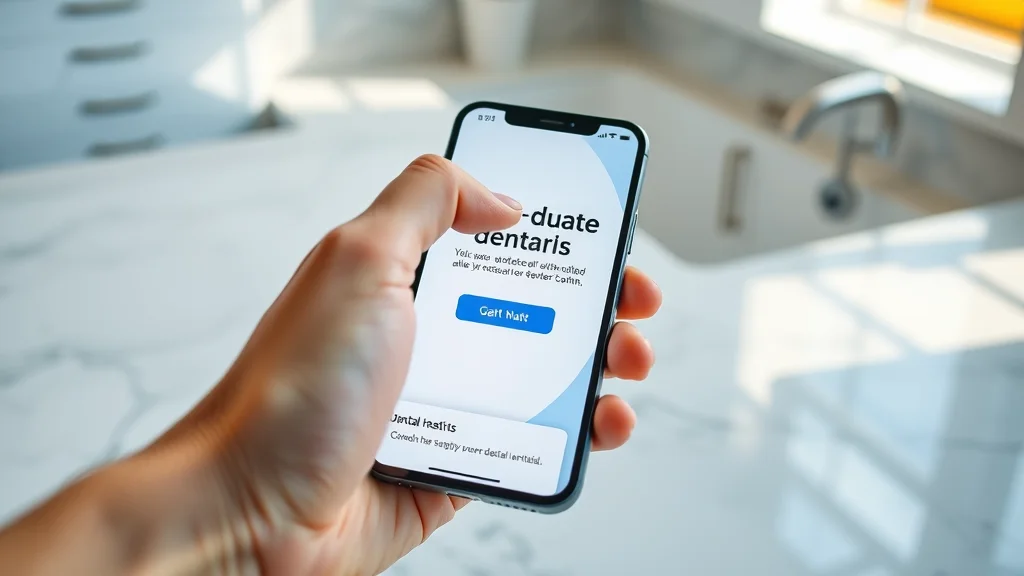
Ensuring Speed and Simplicity for Mobile Dental Practice Visitors
On mobile, every second matters. Touchscreens reward simplicity: big buttons, short messages, and visible contact forms are far easier to use than complex navigation or dense paragraphs. A slow or poorly organized site causes visitors to abandon their search. Dental practices benefit by testing their websites on multiple devices, confirming that content is easy to read and the booking process is straightforward.
This priority carries over into every industry—restaurants use mobile-friendly menus, repair companies showcase contact buttons at the top of every page, and service providers simplify steps for inquiries. Fast, clean design on mobile increases trust, improves patient engagement, and helps all small businesses capture more appointments.
| Device Type | Browsing Style | Preferred Features | Conversion Triggers |
|---|---|---|---|
| Desktop | Detailed scanning, occasional clicks, larger screen navigation | Rich visuals, in-depth content, sidebar info | Clear booking buttons, prominent phone numbers |
| Mobile | Rapid scrolling, touch navigation, quick decisions | Large buttons, streamlined layout, easy contact | Tap-to-call, simple appointment forms, map links |
Conversion Explained: What Makes a Visitor Book an Appointment
Conversion is the moment when an online visitor becomes a real-world customer—by booking an appointment, calling, or completing a form. It’s not enough to attract a visitor; businesses must guide them smoothly to action. Dental practices that clarify their services, keep booking steps simple, and build trust on every page see more patient appointments and stronger patient relationships.
Across all industries, it’s the same: successful conversions come from clear communication, obvious calls-to-action, and websites designed around how people actually behave. A confusing website, even for a great business, leads to missed opportunities and lost leads.
Turning Interest into Action on Dental Practice Websites
Capturing a visitor’s attention is only part of the process. The real challenge is converting that interest into a booking or inquiry. Dental practices, like other professional services, rely on trust signals—clear certification, positive patient feedback, a friendly staff photo, and highly visible contact options. Conversion rate jumps when these elements are combined with strong, direct calls-to-action, such as a “Book Now” button or an instantly accessible phone link.
It’s important that every step towards booking feels natural and safe. Simplify forms, limit required fields, and offer reassurance through feedback, testimonials, or guarantees of privacy. Every small improvement in structure and clarity helps potential patients (and new customers in general) make that final, important commitment.

Key Elements That Guide Patients to Book an Appointment
Several features consistently encourage patients to take action online. Dental websites that display visible booking options, showcase staff photos, provide straightforward explanations of dental services, and offer easy-to-access payment options build immediate trust. Equally, showing prominent patient testimonials or patient feedback can tip the scales for those undecided.
Whether the customer is looking for dental care or another service, the principles remain the same: simple, welcoming design; direct, jargon-free messaging; and fast access to the next step. Trust builds through clarity, and clarity drives conversions.
How Clarity and Messaging Dictate Patient Trust and Decision-Making
Clear messaging is the backbone of patient trust—not only in dental practice websites but in every small business context. Visitors want to know instantly what the provider offers, the benefits for their own dental health or well-being, and how to get started. Businesses that stumble here risk losing customers who might otherwise have become loyal clients.
Common Reasons Dental Care Websites Lose Potential Patients
- Unclear or confusing messaging
- Difficulty finding contact information or booking forms
- Overly complex navigation that disrupts the patient experience
Each of these roadblocks can interrupt the customer decision process. Whether you run a dental office, a local shop, or a consulting firm, failing to guide users smoothly toward action nearly always results in lost business. Keeping messages simple and pages easy to navigate ensures more people engage, stay, and convert.
Building trust is about making customers feel informed, confident, and welcome from their first visit to their first booking or purchase.
How Strong Calls-to-Action Increase Patient Appointments
A strong call-to-action guides visitors without making them guess. “Book Now,” “Call for Consultation,” or “Schedule Your First Visit” stand out when paired with clear buttons and contrasted backgrounds. Dental practices and all service businesses should feature these cues often—at the top of the page, beside testimonials, and after every service description. When customers know exactly what steps to take and where to take them, more of them follow through.
Too many options or unclear next steps overwhelm visitors. Streamlining options, limiting distractions, and reinforcing a single action encourages bookings and forms submitted. This is how lead generation-focused websites outperform those merely aiming to inform.

Competing for Patients Online: Beyond Quality Dental Care
Providing excellent dental care is only part of winning new patients. Online, businesses compete directly on how easily visitors can understand and act. Most people compare several dental practices—or businesses in any sector—by briefly reviewing their websites. The one that is clearest, feels safe, and is easiest to engage with usually claims the lead first.
Quality service, reputation, and patient feedback build long-term value, but for initial appointments or inquiries, the decisive factor is almost always clarity: can the site answer “what, who, and how” in seconds?
How Patients Compare Dental Practices During Online Search
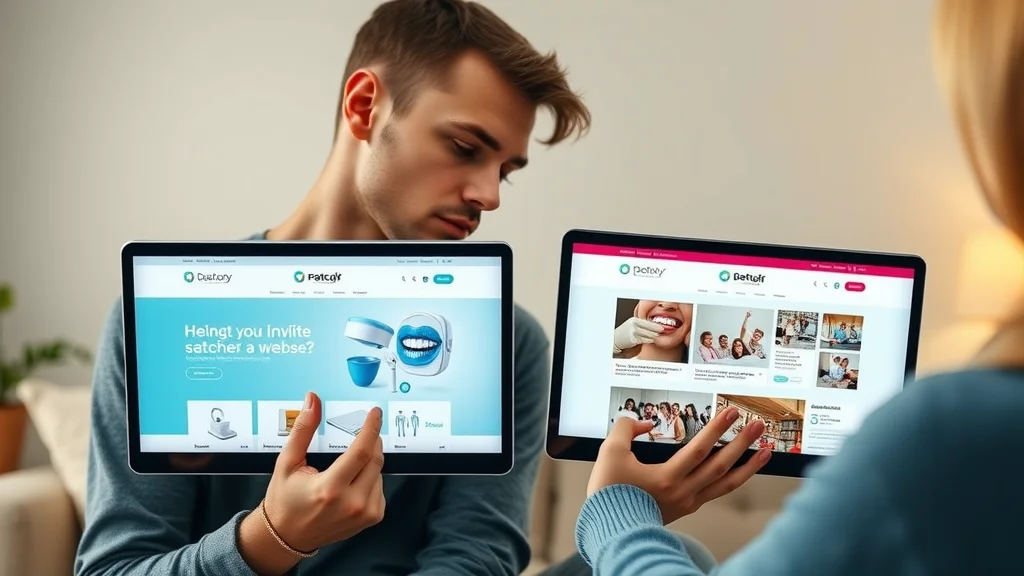
Most customers run a side-by-side comparison of multiple businesses by quickly scanning sites, glancing at reviews, noting available payment options, and checking for immediate appointment availability. Few visitors painstakingly review every detail—instead, they rely on first impressions. The more clearly a site presents its offer and enables fast booking, the more likely it is to draw inquiries.
This behavior transcends dentistry. In every local market—be it home improvement, retail, or personal services—customers favor businesses that help them act right away, saving them time and reducing effort.
Why Simple, Clear Websites Win More Patient Appointments
Simple web design meets visitors’ needs with fewer clicks and less confusion. Uncluttered pages, clean fonts, uniform colors, and large, visible buttons all contribute to a feeling of professionalism and trust. Dental practices, retail shops, and service providers alike attract more customers when their digital presence removes guesswork and highlights key actions. Minimalism isn’t about less content, but about hiding distractions and making decisions easy.
When comparing two businesses, most people choose the one whose website is easy to use and whose value can be summarized at a glance—not necessarily the business with the longest history or most complicated menu. That’s why lead generation-focused designs succeed repeatedly across every industry type.
Visibility, Trust, and Action: Connecting Website Design to Lead Generation
Visibility—appearing high in search engine results or rankings—gets people to a website. But what they see, how they feel, and how easily they can act determines whether they become customers. The quickest way to build trust and increase leads is through simplicity, speed, and clarity. Businesses that focus on these fundamentals steadily outpace competitors who rely on complexity or information overload.
How Patient Experience Affects Perceptions of Dental Practices
Every detail of the patient experience, from the website’s friendliness to the ease of navigating services and payment options, sets lasting perceptions. Images of happy patients or clean offices, visible credentials, and social media links can all support a positive impression. Ultimately, when the online experience reflects professionalism and approachability, more potential patients feel confident enough to reach out.
For all providers, creating a seamless connection between digital browsing and real-life interaction builds greater patient trust and leads to stronger, longer-lasting relationships.

The Connection Between Website Clarity and Conversion Rates
Data consistently shows that sites with straightforward layouts and clear calls-to-action generate more leads and appointments. When visitors understand what’s offered and how to act, they’re much more likely to take that next step. For dental practices, that means more bookings; for other businesses, more phone calls, purchases, or inquiries.
The secret is reinforcing clarity and trust on every page—so visitors always feel confident, informed, and welcome.
People Also Ask: Answers to Common Questions
How do patients search for a new dentist online?
Answer: Patients use search engines, compare websites, read patient feedback, and rely on strong online presence to make their choice.
Most patients begin their search for a new provider using search engines like Google. They quickly browse practice websites to compare services, scan for visible patient feedback, and look for businesses with an active, strong online presence. Factors like visible payment options, easy navigation, and positive testimonials are key in making their decision.
What features do patients look for in dental practice websites?
Answer: Easy navigation, visible contact information, patient testimonials, payment options, and info about dental care services.
Patients prefer sites that make finding important information easy. Key features include a clear menu or scrollable home page, prominent calls-to-action, details about dental care services offered, and visible patient testimonials. Simple explanations of payment options and contact details encourage visitors to reach out directly.
How important is mobile-friendliness when patients choose dentists online?
Answer: Most browsing now happens on mobile devices, so responsive, fast-loading websites are often preferred by patients.
With the majority of user sessions now happening on phones and tablets, a mobile-friendly website is essential. People expect pages to load fast, buttons to be easy to tap, and booking forms to work seamlessly. Practices—and all businesses—that ignore mobile experience risk losing many potential leads.
Key Takeaways for Dental Practices Improving Online Lead Generation
- Clarity, simplicity, and mobile-first design are critical for patient conversion
- Strong calls-to-action help guide patient appointments
- Consistent visibility and trust-building boost more leads over time
- Improving page speed and messaging can set dental practices apart
Frequently Asked Questions About How Patients Choose Dentists Online
What role do patient testimonials play in choosing a dentist online?
Patient testimonials build trust by showing real experiences and positive feedback from previous visitors. Seeing others describe successful treatment plans or satisfied service reinforces confidence in the practice. This same impact is seen across all industries—authentic reviews and endorsements directly influence customer decisions.
How do payment options affect patient appointments?
Clear information about payment options puts patients at ease and ensures there are no financial surprises. Whether for dental care or any service, websites that highlight flexible payment plans, insurance acceptance, or upfront pricing help remove friction from the appointment process and encourage more bookings.
What influences trust in dental practice websites?
Trust grows through transparency: visible credentials, easy-to-find contact details, patient feedback, and secure forms. Practices that clearly explain their approach to dental health and patient care signal to visitors that they are dependable and professional—key reasons why digital visitors convert into loyal patients.
Conclusion: Better Clarity and Structure Lead to More Patient Appointments Online
Successful websites are built on clarity, simplicity, and an understanding of how real people browse. Even small improvements in messaging and layout can lead to more leads and bookings over time.
How Lead Generation Websites Work to Improve Patient Conversion and Appointments
Websites designed for lead generation prioritize a one-page, scrollable format, presenting all key information upfront. This structure minimizes friction and keeps patients—or any prospective customer—focused on the most important actions. Clear messaging ensures visitors know exactly what your business offers, while strong calls-to-action make it simple to take the next step, whether that is calling, booking, or filling out a form. Mobile-first approaches and fast load times further increase engagement. Over time, these principles help businesses attract more interest, generate higher-quality leads, and gain trusted recognition in their local markets.
Want to see these principles in action? Learn how lead generation websites guide more patient appointments.
If you’re ready to take your digital strategy to the next level, consider exploring broader frameworks that shape how local businesses build authority and trust online. The Local Authority Content System™ Insights & Strategy offers a comprehensive look at content planning, publishing, and positioning for long-term growth. By integrating these advanced insights, dental practices and other service providers can not only improve appointment rates but also establish themselves as trusted leaders in their communities. Dive deeper into strategic content approaches to unlock even greater results from your online presence.




Write A Comment