


Picture this: a homeowner wakes up to a leaking pipe and needs help fast. As they search online, they land on several plumbing websites, but spend just seconds on each. The one that stands out is clear, easy to use, and feels trustworthy. Within moments, the homeowner reaches for the phone and calls. This is the power of plumbing website design—where first impressions and simplicity turn visitors into leads and customer calls.
- What You'll Learn in This Plumbing Website Design Guide:
- How customers behave when visiting plumbing websites and other business sites
- The impact of first impressions and attention span on lead generation
- Core principles of effective plumbing website design for increased calls
- How clarity, trust signals, and simple structure boost customer actions
- Actionable steps to improve your plumbing website design today
Why Plumbing Website Design Matters for Lead Generation
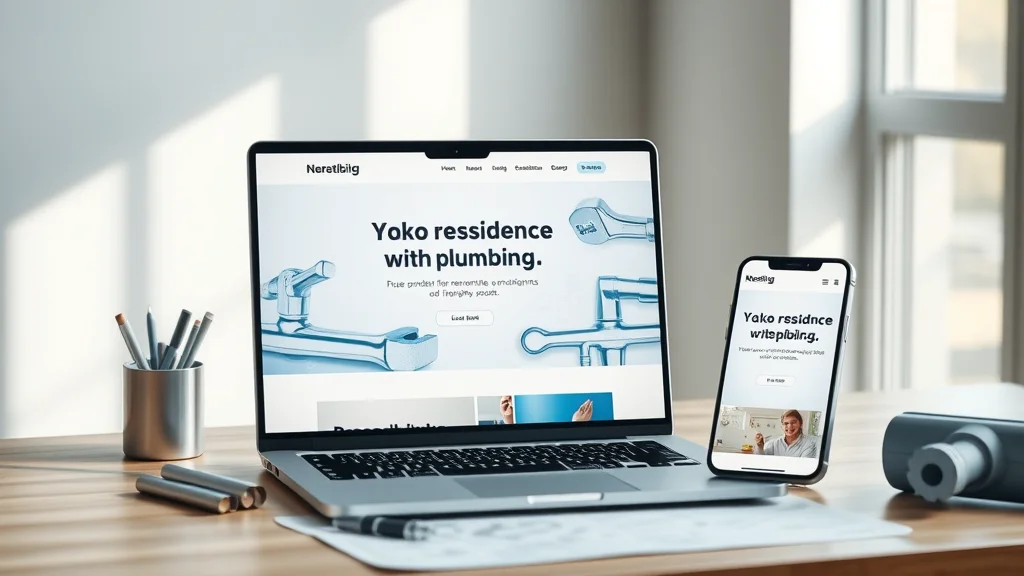
In today's online landscape, plumbing website design is more than just aesthetics—it's about converting visitors into calls and leads. When potential customers search for plumbing help, they're not just looking for any contractor; they're looking for a business that feels reliable and easy to contact. Research shows that users often scan multiple plumbing websites, comparing clear messaging, fast loading, and visible contact options. Most people don't read every word. They scroll quickly, forming an impression in about 8 seconds. If a website doesn't stand out, they simply move to the next option.
That's why strong plumbing website design can make or break a business's lead generation. It’s not just home services—even retail stores, restaurants, medical offices, and professional services compete in the same way. A good design guides customers to the right information, removes friction, and clearly shows what to do next. Small businesses often find that their online presence is the first and only chance to earn trust. When your plumbing website highlights trust signals, easy navigation, and a direct call to action, you make it easy for visitors to pick up the phone. Ignoring these factors can cause traffic to exit without ever making contact.
For plumbing businesses aiming to maximize every website visit, understanding the mechanics of lead generation websites can provide a tactical edge. If you're interested in the specific systems that drive more inquiries and calls, take a look at this comprehensive overview of how lead generation websites work for local businesses—it breaks down actionable strategies that apply directly to service-based industries.
First Impressions on Plumbing Websites: The 8-Second Rule
Imagine a customer landing on your plumbing web page for the very first time. According to behavioral research, most people decide whether to stay or leave within roughly 8 seconds. In that brief window, they notice the overall layout, assess whether they’re in the right place, and look for instant value. In a busy online world, where people scan rather than read, your plumbing website design must put critical information front and center. If a customer has to hunt for your phone number or can’t figure out what you offer, they'll likely return to search results and click on a competitor.
This is where web design makes a tangible difference. Effective plumbing websites don’t overload visitors with options or cluttered visuals. Instead, they use a straightforward structure, strong calls-to-action, and simple navigation that guides a customer to act—whether it’s calling, booking, or requesting a quote. Studies of home service and professional websites show that the clearest, most confident designs capture attention and drive more inquiries than more complex alternatives. That’s why your first impression matters, every single time.
How Modern Users Interact with a Plumbing Web Experience

Modern customers browse differently than even a few years ago. Today, the typical visitor arrives on a plumbing website by phone, quickly scrolling rather than clicking through multiple pages. People expect to find everything they need on a single, simple web page that loads fast and looks good on any device. They’re not interested in excessive menus or deep navigation structures. Extra clicks create friction and can cause someone with a plumbing issue to give up before reaching out.
The trend across all small businesses, from plumbing to local restaurants and professional services, is toward single-page layouts and mobile-first web design. This approach delivers the core message, credentials, and contact options without forcing the user to search or guess. When visitors scroll, scan, and recognize trust signals—like certifications, licenses, or social proof—they’re much more likely to convert. By aligning with how modern users interact online, a plumbing website ensures that valuable leads aren’t lost due to outdated structure or confusing navigation.
Understanding Conversion in Plumbing Website Design
Conversion on a plumbing website means guiding a visitor to take action: making a call, submitting a contact form, or booking a service. It's not enough to generate traffic—what matters most is turning that traffic into real business. Many companies, including established plumbers and home service providers, invest in web design but still struggle to generate customer leads. The reason? Their websites don’t clearly show what step to take or quickly demonstrate trustworthiness.
An effective plumbing website design answers basic questions instantly: “What service is this?” “Can I trust them?” and “How do I get help now?” If those answers aren’t obvious, potential customers move on. A smooth conversion path includes visible calls-to-action, mobile-friendly buttons, and trustworthy elements like years of experience or industry credentials. Successful websites treat conversion as a design goal, weaving clear structure and next steps throughout the user experience—making it easier for customers to act and businesses to grow.
10 Key Elements of High-Performing Plumbing Website Design
- Emphasize One-Page Plumbing Website Structure. Present all essential information on a single page to reduce the need for clicks, keeping visitors engaged and focused on taking action.
- Clear Messaging and Instant Value Communication. Use concise language to immediately explain what services are offered and how customers benefit, ensuring clarity from the start.
- Use Strong Calls-to-Action Throughout the Plumbing Website. Guide visitors with prominent buttons or prompts—like “Call Now,” “Book Service,” or “Request a Quote”—so they always know what to do next.
- Prioritize Mobile-First Plumbing Web Design. Ensure your site looks and works perfectly on smartphones, since most users browse and convert via mobile devices.
- Optimize Plumbing Website Speed. Fast loading decreases bounce rates and keeps users from leaving before they've seen your offer.
- Simplify Site Navigation to Lower User Friction. Eliminate unnecessary menu layers and offer straightforward, easy-to-understand pathways to core information.
- Build Trust with Reviews and Social Proof. Display authentic customer feedback or links to reputable review platforms to reassure potential customers.
- Highlight Trust Signals and Business Credentials Clearly. Show licenses, insurance details, years of experience, or professional affiliations directly on the homepage for instant validation.
- Feature Service Areas and Contact Options Prominently. Make it easy to see what locations you serve and how to get in touch.
- Include Visual Proof: Photos and Video on Plumbing Websites. Use real images and videos of your team, fleet, or completed work to reinforce credibility and bring a personal touch.
Video Walkthrough: Real Examples of Effective Plumbing Website Design in Action
How Visitors Make Decisions: Clarity vs. Confusion on Plumbing Websites
The Cost of Confusing Plumbing Website Design

When a plumbing website is confusing—overloaded with links, cluttered visuals, or buried contact options—potential customers often leave without making contact. Most visitors scroll quickly, scanning for familiar signs like a clear phone number or easy booking form. If they can’t find what they need in those crucial opening moments, they feel frustration and move on to the next business. This reality affects not only plumbers, but also local experts in retail, medical, and all home services sectors.
A complicated web design increases the mental effort required to find information, solve a plumbing issue, or even determine if the business is local. Each extra click, slow load, or blurry credential erodes trust. Many plumbing businesses lose leads not because of their plumbing service quality, but because their online presence doesn’t communicate professionalism and trust. The ripple effect is real: lost leads mean lost revenue and missed opportunities for growth—across all industries that rely on local customers.
Why Clear Plumbing Website Design Wins Leads
The opposite of confusion is clarity. A clear plumbing website design instantly communicates what the business does, where they serve, and how to make contact. This simple approach respects how users scroll and scan, reinforcing key information at every step. When listings for residential and commercial plumbing services are easy to compare, customers nearly always choose the business that makes their decision easiest.
Clarity is a competitive edge, not only for plumbing web design, but for every small business trying to stand out among similar options. Website visitors find visual cues—such as visible license numbers, original photos, or reviews widgets—more persuasive than generic claims. By answering questions before they’re asked and removing uncertainties, a well-structured plumbing website can guide more users toward conversion, demonstrating that a focus on clarity drives results across the board.
Why Simple Structure in Plumbing Website Design Drives More Customer Calls
| Design Structure | User Experience | Contact Rate | Typical Result |
|---|---|---|---|
| Complex, Multi-Page Navigation | Requires multiple clicks, scattered information, high user friction | Low to moderate | Visitors drop off, many never see the contact form |
| Simple, One-Page Structure | Straightforward scrolling, key information front and center, minimal barriers | High | More calls and inquiries, easier action for potential customers |
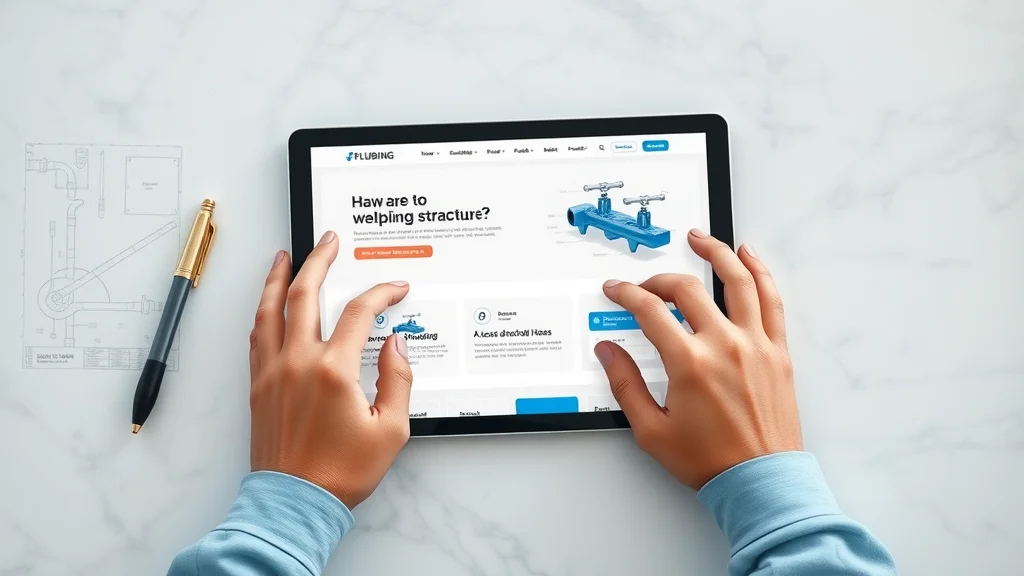
Simple structure consistently outperforms complex navigation in plumbing website design and beyond. Most people arrive with a specific need—perhaps a water heater repair or emergency leak—and expect fast answers. A one-page layout that highlights services, credentials, and contact methods gives customers everything they need with zero confusion. This method matches natural scrolling habits and ensures core details—like the local plumber’s name, phone number, and service area—are always within reach.
By providing instant visibility and lowering barriers, simple web structure boosts the chance that a visitor will reach out rather than abandon the site. For plumbing websites and any customer-facing business, this is the clearest path to better lead flow. It’s the difference between a casual web visitor and an actual customer call—and often, it’s a small structural tweak that drives major results.
Building Trust and Social Proof in Plumbing Website Design
How Trust Signals Influence Customer Choices on Plumbing Websites
"In our research, websites that highlight trust signals and user-friendly design convert more visitors into customers—especially in local service industries."

Trust signals are the key to winning customer confidence on plumbing websites and for all small businesses. Customers decide whether a company feels professional in seconds. Visual cues like a displayed license number, recognizable certifications, or updated insurance information instantly show that a business is legitimate. Social proof—such as verified customer reviews, before-and-after project photos, or awards—confirms quality and reliability to new visitors. Even the best web design can fall flat without these essential elements.
Brands that invest in making trust signals visible are more likely to earn calls and bookings from both residential and commercial prospects. For a plumbing business, showing proof of years of experience, a clean service vehicle, or a smiling, uniformed technician helps potential customers feel secure before they make contact. For other home services and professional fields, the same principles apply: obvious trust cues and transparent contact options bridge the gap between search engine visibility and real-life reputation. This step is vital to turning web browsers into loyal customers.
Best Practices: Social Proof for Plumbing Business Growth
To maximize social proof, display genuine feedback wherever possible. Use a reviews widget that collects and updates testimonials automatically, letting visitors see recent, positive experiences from similar customers. Incorporate original photos of your team, branded vehicles, or plumbing service in action—stock images rarely inspire as much trust as real visuals from your business. If possible, include logos or icons for associations like the Better Business Bureau or local chamber of commerce to add further credibility.
The best plumbing websites link social proof and trust signals directly to calls-to-action. For example, placing a five-star rating next to the “Call Now” button or showing completed project galleries before the contact form. These best practices help all customer-facing businesses not only showcase their own reliability but also build long-term relationships based on visible proof and word-of-mouth referrals.
Common Mistakes in Plumbing Website Design That Harm Lead Generation
- Overly complex navigation with too many clicks
- Weak calls-to-action or hidden contact information
- Lack of mobile responsiveness
- Slow loading times
- Missing trust signals and proof points
These common pitfalls can affect any small business online—not just plumbing services. Overly complex layouts and hidden contact details confuse users and drive them away. If a plumbing website—or any site for a quality-focused service provider—isn’t mobile-ready and quick to load, opportunities are lost immediately. Most damaging of all is the absence of trust signals. Without clear evidence of legitimacy, even a skilled local plumber or experienced provider may not receive the customer calls or leads their service deserves. Whether building anew or updating an existing site, keeping the structure simple and trust front and center is essential for success.
FAQs: Plumbing Website Design and Lead Generation
-
How does plumbing website design affect customer calls?
Plumbing website design guides how visitors experience and interact with your business online. Clear structure, easy navigation, and visible calls-to-action make it easy for potential customers to contact you, increasing the number of customer calls and inquiries. -
What is the most important feature in a plumbing website?
The most important feature is a clear call-to-action paired with visible contact options. Visitors need to know exactly what to do next—like calling or booking a service—without guessing or searching for information. -
How do trust signals influence leads on a plumbing web page?
Trust signals—such as licenses, reviews, and professional accreditations—reassure potential customers that you are legitimate, skilled, and reliable. Websites featuring these signals build confidence and are more likely to convert website visitors into leads. -
Should plumbing businesses use one-page websites?
Yes, one-page websites often improve customer experience by reducing friction and making information easy to find. This helps users take action faster and increases the likelihood of generating leads for plumbing and other local businesses.
Key Takeaways About Plumbing Website Design for Lead Generation
- Clear, simple plumbing website design outperforms complex layouts
- Trust signals and easy contact options improve customer calls
- Mobile-first design and speed are essential
- Small changes in plumbing websites can increase leads over time
For More Insights on Lead Generation: How Lead Generation Websites Work
Curious about how simple changes drive more leads? Explore strategies for all business types with our detailed guide: How Lead Generation Websites Work.
If you’re ready to take your plumbing website—and your entire local authority presence—to the next level, consider exploring the broader strategies behind structured content publishing. The Local Authority Content System™ offers a comprehensive approach to building trust, authority, and visibility across all your digital channels. By integrating these advanced publishing techniques, you can amplify your reach, strengthen your reputation, and unlock new opportunities for growth well beyond your website. Dive deeper into the system to discover how a strategic content framework can transform your business’s online impact.
In summary, effective website design isn’t just about appearances—it’s a foundation for clear communication, trust, and results. Businesses of all kinds that invest in simple, structured web design and visible trust signals will build more leads, more calls, and long-lasting growth over time.




Write A Comment