


Imagine you're searching for a new local service and land on a website. Within seconds, you either know exactly what to do next—or you click away, moving on to someone else. This moment, repeated thousands of times a day across every industry, defines what makes one landing page succeed while many fail. Understanding how to structure a landing page so visitors take action is not just about design; it's about recognizing how people truly behave online. This article will show you how a calm, clear website design guides visitors—no matter your business type—to become customers, using tested principles that reflect the realities of today's scrolling, comparing, and decision-making behavior.
What You'll Learn in How to Structure a Landing Page
- Understand online visitor behavior for landing page design efficiency
- Identify key landing page design principles that guide conversions
- Master building trust and using social proof for better landing page optimization
- Learn the steps to create a converting landing page for any small business
- Discover common landing page mistakes and how to avoid them
- See actionable examples and simple strategies for landing page improvement
Observational Realities: Why Most Landing Pages Fail to Convert
How Attention Spans Affect Landing Page Structure
Most visitors to a landing page make up their minds about your business in just a few seconds. Research suggests the average attention span online is less than 8 seconds, emphasizing the need for immediate impact and clarity. Instead of reading thoroughly, potential customers scan, looking for signals about whether your page—and your business—can help solve their need right now. This means your landing page structure should not rely on people reading long paragraphs or clicking through multiple tabs. A good landing page design puts the most important information where visitors look first and guides them smoothly toward your call to action. Strong use of headlines, subtle visual cues, and a clear value proposition helps bridge the short attention window and create a sense of direction. If your offer isn’t obvious within one glance, most users will simply move on to another business—often your competitor.

User Behavior on Landing Pages: Scanning, Scrolling, and Comparing
When visitors land on your website, they don’t approach it like a book; instead, they scan the page, scroll rapidly, and compare your business with others in the same search results. Eye-tracking studies confirm that users pay the most attention to the top half of the page and main visual elements. If your structure is cluttered, loaded with dense text, or splits key information across different pages, you’re adding friction that leads to abandonment. Effective landing page design recognizes this behavior—using one long page with a logical information flow is far more successful than expecting users to click through a maze of subpages. This design shift matches real browsing patterns: most people now visit websites from mobile devices and expect to scroll naturally, finding the details they need without excessive clicking. For small businesses, this means putting your best message forward, keeping navigation simple, and ensuring that every design choice—colors, imagery, buttons—supports your conversion goal right from the start.
For a deeper dive into how a well-structured website can enhance your authority and trust with local audiences, consider exploring the Structured Local Authority Publishing approach. This method offers practical insights into organizing your content and layout to better serve both visitors and search engines.
First Impressions and the Importance of Immediate Clarity in Landing Page Design
First impressions on landing pages are shaped in moments. A visitor decides almost instantly if a website feels trustworthy, relevant, and valuable. That decision is rarely based on reading every word—instead, it’s about what stands out visually: a compelling headline, professional layout, and obvious next step. Landing page design should therefore avoid distractions and complicated navigation. Clear sections, white space, and key trust elements (such as testimonials or trust badges) work together to foster confidence and credibility. Using a single-column design that leads the eye from the value proposition directly to the call to action reduces confusion and makes it easy for visitors to act. Remember, your competitors are also trying to make a great impression. By making your offer and purpose apparent from the landing page’s first screen, you set the foundation for a converting landing page that guides decisions and encourages actions.

Understanding How to Structure a Landing Page for Conversion
The Role of Clear Messaging in Landing Page Design
Clarity is the foundation of every successful landing page. Visitors must understand your offer or service before they think about taking the next step. This begins with a bold headline and a brief, direct subheadline that instantly communicate the main benefit or solution you provide. Supporting text answers essential visitor questions and eliminates confusion. Good landing page design ensures the main value is unmistakable: if a potential customer has to search for what you do, they’ll likely leave. Visual hierarchy (using larger fonts, contrasting colors, and strategic placement) makes your key message stand out, paving the way for a higher conversion rate. By creating a consistent message, you position your business as trustworthy—and that trust helps move visitors from interest to action.
Reducing Friction: Why One-Page Landing Page Structure Works
Too many websites scatter their message and calls to action across several different pages, introducing unnecessary steps and confusion. A one-page landing page structure solves this by keeping everything a visitor needs to know—who you are, what you offer, and the next step—in a single, straightforward scroll. This minimizes distractions and keeps the focus on your conversion goal. Fewer clicks means less opportunity for users to exit before reaching your call to action. The one-page design also adapts naturally to how people browse on mobile: they scroll to learn more, swipe to see visuals, and tap to take action. By designing a landing page that matches this behavior, you create a smooth path for every visitor, guiding them efficiently toward your business goal.
Strong Calls to Action Guide the Visitor’s Journey
The heart of converting landing pages is a clear, bold call to action, often presented as a standout button or form. This “next step” should appear above the fold, remain visible as users scroll, and use concise, direct language (like “Book Now” or “Get Your Quote”). When landing page design places too many different calls to action, it confuses visitors and splits their attention—leading to fewer conversions. Anchoring a single powerful cta button (call to action button) ensures all elements of your page guide users toward this outcome. Colors, size, and placement matter: a visually distinctive button or form draws the eye and signals what to do next. Effective landing page design aligns every visual cue and supporting text behind the same conversion goal, so the visitor’s journey is intuitive and focused.
Why Page Speed and Simplicity Are Critical for Converting Landing Pages
Slow-loading pages frustrate visitors and dramatically reduce the success of even the most attractive landing page design. Complexity—not just in graphics, but in navigation, forms, and messaging—creates decision fatigue and friction. The most effective landing pages are those that load quickly, work seamlessly on any device, and present a simple, direct path to the desired action. Optimizing for speed (compressing images, limiting scripts) and streamlining content allows visitors to progress through the page without hesitation. Simplicity isn’t about removing information but about removing distractions, letting every element of your landing page serve a distinct and supportive purpose in guiding a visitor toward conversion.

How to Structure a Landing Page: Essential Components
Logical Information Flow in Page Design
Structuring a landing page involves more than just stacking content; it’s about building a journey that answers visitor questions at each step. Start with a headline and subheadline that communicate the offer, lead into short supporting sections that provide context or credibility, and close with your call to action. Use visual separators or gentle section backgrounds to make scanning easy. Avoid mixing unrelated offers or too many competing details, as these can disrupt the flow and distract from your single conversion goal. Following a logical flow not only makes your landing page good for visitors, it also supports your conversion rate by delivering relevant, bite-sized information at the moment it’s needed.
Headline and Subheadline: The Landing Page’s First Impression
Your landing page's headline is the very first thing visitors see. It must state your unique proposition in a way that’s direct, specific, and relevant. A strong headline often answers the visitor’s silent question: “What do you do, and why should I care?” The subheadline can add a detail or clarify your offer without overwhelming the top section. These two lines work together to create a good landing page by capturing attention and making the next step clear. The best headlines connect to a visitor’s pain point or desired outcome and are supported by consistent brand visuals.
Supporting Text: Creating a Good Landing Page Without Overwhelming Visitors
Supporting text helps answer common questions, reinforce the benefit of your service or product, and build trust—all without cluttering the page or repeating information. Keep paragraphs brief and use bullet points for details like features or process steps. The goal is to clarify rather than complicate. Landing pages overloaded with jargon, unnecessary product specs, or lengthy explanations overwhelm visitors and lower engagement. Instead, highlight the most important reasons to choose your business, keeping the language natural and easy for your target audience to understand. Effective supporting text also works with testimonials, case studies, or awards to provide subtle but important social proof.
Visual Hierarchy: Images and White Space in Landing Pages
Visual hierarchy guides visitors to focus their attention on the most critical elements first, such as the headline, main benefit, and call to action. High-quality images—whether of your product, happy clients, or your business location—help visitors quickly understand what you offer and foster connection. Equally important is the use of white space: areas left intentionally uncluttered around text and visuals. Adequate white space prevents overwhelm, keeps the design modern, and improves readability on all devices. A good landing page balances text, images, and space to reduce cognitive load, making it easy for people to move smoothly from offer to action.
Adding Social Proof and Trust-Building Elements to Your Landing Page
Visitors are more likely to become customers if they trust your business, and nothing builds trust faster than social proof. Including testimonials, reviews, trust badges, and recognizable logos reinforces your credibility. Position these trust-building elements near your call to action or alongside key information to support the visitor’s decision process. Authentic photos or quotes from real customers work better than generic logos. For small businesses, even a handful of well-placed positive reviews can make the difference. Social proof should always be easy to verify and directly relevant to what you’re offering—helping to nudge visitors one step closer to conversion.

Effective Call to Action Placement in Landing Page Design
The placement of your call to action is as important as its wording. Best practice is to position your main cta button early (above the fold), repeat it naturally for longer pages, and maintain high contrast so it stands out against your background. Using action-oriented language (“Request a Consultation,” “Start Free Trial”) gives clear direction. Supporting microcopy (“No credit card required,” “Takes less than 1 minute”) can reduce hesitation. Limiting distractions around your call to action—such as removing competing links—focuses attention and improves your conversion rate.
Mobile-First Landing Page Optimization Strategies
Most browsing now happens on smartphones, making mobile-first design essential for a successful landing page. This means layouts should stack vertically, use large easy-to-tap buttons, and keep forms as brief as possible. Responsive design ensures every element adjusts smoothly to different screen sizes. Images should be optimized for quick loading, and whitespace should be preserved even on small screens. By designing with mobile users front of mind, you remove barriers to taking action and increase leads from this growing segment of website visitors.
How to Structure a Landing Page for All Small Businesses
Customizing Landing Page Structure for Different Business Types
No matter what services you offer—whether you own a local restaurant, a medical practice, or a home repair company—the fundamentals of landing page structure apply. However, the specific examples, language, and imagery should reflect your industry and audience. For retail stores, visual imagery and short product highlights near the call to action can drive store visits. Service businesses often benefit from before/after galleries and testimonials. Medical and professional services can boost credibility with qualifications and trust badges. The core structure (headline, supporting info, social proof, call to action) remains the same, but customizing content ensures your landing page feels personal and direct for every visitor.

Using Consistent Branding Across Your Landing Pages
Unified branding builds recognition and trust, two vital keys for winning local customers. This means matching your website’s colors, fonts, and logo to your in-store or service experience. Consistency between your online and offline presence reassures visitors they’re in the right place and supports the clarity of your offer. Every piece of your landing page—from headline color to button style—should align with your brand’s personality and industry standards.
Lead Generation Landing Page Examples for Local Businesses
Effective lead generation landing pages often feature real photos of your team, specific service guarantees, and visible phone numbers or booking buttons. For example, a cleaning service might highlight “Book Your Cleaning in 60 Seconds—See Reviews Below,” with testimonials and a single appointment form. A medical provider’s landing page could open with “Same-Day Appointments—Accepted Insurance Shown Here” and lead to a simple contact form. The common theme: clarity, trust elements close to the call to action, and a layout that matches how people actually choose businesses online.
How Businesses Compete Online: The New Rules of Landing Page Design
Why Clarity Beats Complexity in Landing Page Structure
In today’s digital world, customers quickly compare several options before making contact. Businesses lose opportunities not because of the quality of their product or service, but because their website is confusing or hard to understand. A clear landing page structure—focusing on one offer and a single call to action—cuts through the noise. Simplicity outperforms intricate or flashy design by reducing decision fatigue and highlighting your conversion goal. Customers are drawn to websites that feel easy to navigate and answer their questions without extra effort.
How to Make Your Value Proposition Stand Out
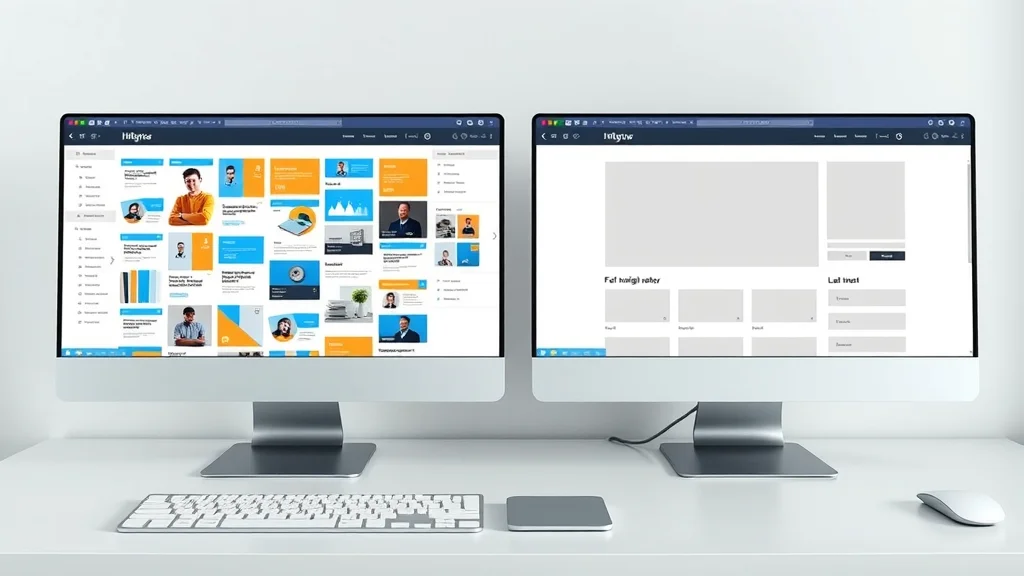
A strong value proposition states directly and succinctly why someone should choose your business over others. Place it high on the page in a bold headline, support it with visual cues (such as images or icons), and reinforce it with specifics: what makes your offer unique, what guarantees you provide, or how quickly you deliver results. Effective landing page design uses color, font size, and spacing to spotlight your value proposition so it can’t be missed—helping potential customers make a quick and confident decision.
Visitors Compare Landing Pages Quickly—Here’s How to Win
Most online searches lead to multiple open tabs, with visitors scanning several landing pages before making a choice. Winning this battle isn’t about having the fanciest design but about being the most understandable. If your competitor’s landing page is crowded, slow, or forces users to hunt for information, you have a clear advantage by being upfront and straightforward. Put the information people care about right where they expect: open with what you do, add quick social proof, and put a bold call to action where hesitation might otherwise creep in. The easier your landing page makes the decision, the more likely visitors will become customers.
Step by Step: How to Structure a Landing Page for Maximum Results
- Step 1: Define a Single Conversion Goal for the Landing Page
- Step 2: Craft a Compelling Headline and Subheadline
- Step 3: Use Clear Supporting Text That Answers Visitor Questions
- Step 4: Place Visual Proof, Trust Signals, and Testimonials Smartly
- Step 5: Design a Simple, Bold Call to Action Button
- Step 6: Check Page Load Speed and Mobile Responsiveness
- Step 7: Test, Review, and Improve the Landing Page Regularly
Common Landing Page Mistakes That Hinder Conversion
Unclear Messaging or Multiple Calls to Action
One of the biggest reasons landing pages fail to convert is a lack of clarity. If visitors are confronted with several different offers, multiple buttons, or unclear language, it creates confusion and indecision. Focus on a single conversion goal for each landing page, using direct messaging and prominent cues to remove ambiguity. The path to your desired action should be unmistakable, making it easy for visitors to know what to do next.
Overwhelming Information, Poor Visual Hierarchy, and Lack of White Space
Too much text, crowded layouts, and minimal white space can quickly overwhelm visitors and cause them to abandon your page. Effective landing page design strikes a careful balance: deliver key information without forcing users to wade through clutter. Use visual hierarchy principles—bigger headlines, concise body text, and contrast—to guide attention naturally. Maintaining sufficient white space between sections improves readability and ensures your conversion-focused sections stand out.
Ignoring Mobile Landing Page Optimization
Many businesses forget that the majority of website traffic now arrives from mobile devices. Neglecting mobile optimization leads to slow load times, poorly formatted text, and hard-to-tap buttons—all of which turn away otherwise interested customers. By prioritizing a mobile-first approach, you ensure that every visitor enjoys a fast, usable, and visually pleasing experience that supports your conversion rate goals.
Missing or Weak Social Proof and Trust Elements
Even the best offer can fall short if visitors don’t trust your business. The absence of social proof (like reviews or testimonials), missing security badges, or generic imagery can prevent potential customers from taking the next step. Make trust-building elements a non-negotiable section of your landing page, positioning them near your call to action and offering clear, reassuring real-world examples of satisfied customers or business reliability.
Landing Page Optimization: Building Trust and Removing Barriers
How to Use Social Proof Strategically on Landing Pages
Social proof isn’t just about quantity—it’s where and how it’s placed that matters most. Showcase testimonials close to your call to action, incorporate customer photos, and feature recognizable third-party badges when available. For effective landing page optimization, rotate specific quotes or endorsements that address common hesitations your visitors have. If your business has professional certifications, media mentions, or case studies, highlight these in a section near your main conversion point to build trust at a critical decision moment.
How to Build Trust Instantly with Visual Design and Copy
First impressions are made visually as much as they are with words. Use a clean layout, high-quality images, and consistent color schemes to build professionalism. Direct, friendly copy—avoiding jargon and excess hype—helps foster trust and sets you apart from less reliable competitors. Make contact information and privacy policies clearly visible; both serve as subtle cues that you are a real, accessible business ready to support your customers’ needs.
Optimizing Landing Page for Page Speed and Device Compatibility
A landing page that loads quickly retains more visitors and achieves better conversion rates. Compress large images, limit scripts, and use browser caching to maintain fast performance. Choose fonts and buttons that are readable and tappable on both desktops and smartphones. Regularly test your landing page on different devices and browsers to ensure every visitor gets the intended experience and doesn’t abandon your offer due to technical issues.
Website Structure and the Reality of Lead Flow
Why Traffic Alone Is Not Enough Without Proper Landing Page Structure
High web traffic means little if your landing page is not structured to convert. Many businesses invest in advertising, social media, or SEO but neglect how visitors experience their site once they arrive. Landing page structure is not just about looks; it’s about guiding people toward making contact, booking, or purchasing—actions that generate real leads and revenue. Prioritizing page design and user flow over mere information delivery makes a tangible difference in results.
Guiding Visitor Behavior with Each Element of Page Design
Every part of your landing page should encourage a specific visitor behavior—scrolling, learning, and then taking action. Headline placement, button color, testimonials, and even white space work together to support your conversion goal. These elements guide visitors naturally, making their journey straightforward. Consistently reviewing and refining your landing page design based on real user feedback will help identify barriers and opportunities for improvement, driving better lead generation outcomes.
Visibility, Recognition, and Lead Generation: The Final Connection
How Clarity and Consistency on Landing Pages Build Trust Over Time
Repeated exposure to a clear and consistent landing page builds trust and recognition, making it more likely that visitors will remember and choose your business—sometimes on their first visit, often after seeing your site in several searches. The easier your offer is to understand and the more consistent your message, the more you stand out among competitors.
Watch: Animated explainer video showing a landing page being structured in real-time.Key best practices and elements are highlighted in a friendly, easy-to-follow style.
The Compounding Benefits of Ongoing Landing Page Improvements
Landing page optimization is not a one-time task. As you collect more insights, make small adjustments—tweaking messaging, testing new call to action placements, or adding new testimonials. These incremental refinements compound over time, increasing your conversion rate and helping your business consistently outperform less-focused competitors. Trust, recognition, and improved lead flow are the long-term rewards for businesses that stay committed to clarity and structure.
People Also Ask: Answering Top Landing Page Questions
How should a landing page be structured?
A well-structured landing page guides visitors along a clear path. It begins with a focused headline and a brief, direct subheadline that makes the offer or purpose obvious. Supporting visuals and text add context, but every element should reinforce the main goal. Place calls to action prominently, keep navigation minimal, and optimize for mobile use. Use trust signals and social proof to reduce hesitation. Simplicity, clarity, and a strong value proposition are central to effective landing page design.
What are common landing page mistakes?
Common mistakes on landing pages include having too many competing calls to action, unclear messaging, cluttered layouts, and not enough emphasis on the primary conversion goal. Other frequent issues are slow-loading pages, lack of mobile optimization, and missing social proof or trust indicators. Ignoring the way visitors scroll and scan can also lead to poor engagement and lost leads.
How to layout a landing page?
The ideal landing page layout uses a single-column design that naturally leads the eye from the top headline to the final call to action. Start with a compelling headline and value proposition, followed by supporting visuals, brief explanatory text, trust-building elements, and then a strong, visible call to action. Use logical sections and plenty of white space to reduce visual clutter.
How to make a killer landing page?
A killer landing page is built on clear messaging, excellent usability, and strong calls to action. Make sure the value is apparent within the first few seconds. Align imagery and copy with the target audience’s needs. Eliminate distractions, ensure fast load times, use testimonials for trust, and test different versions for improvement. The key is helping visitors see—and take—the next step easily.
Best Practices and Actionable Tips for Structuring a Landing Page
- Use straightforward headlines that state your unique offering
- Minimize navigation and extra links to keep focus on converting
- Employ mobile-first and responsive page design from the start
- Utilize whitespace, concise copy, and clear visuals
- Feature social proof prominently
- Keep your call to action visible and repeated if the page is long
Landing Page Design Comparison Table
| Aspect | Traditional Multi-Page Website | One-Page Lead Generation Landing Page |
|---|---|---|
| Structure | Multiple sections scattered across different pages, each covering a separate topic | Single, linear flow with all key information in one scroll |
| Ease of Navigation | Relies on menus and several clicks; higher friction | Smooth scrolling experience; lower friction |
| Clarity | Message and offers can be diluted across pages | Core offer is highlighted and constantly reinforced |
| Mobile Experience | Often inconsistent or hard to navigate on phones | Designed for mobile-first, easy to scroll and interact |
| Conversion Focus | Many distractions; primary action may be unclear | Single conversion goal with clear, repeated calls to action |
| Page Speed | Can be slow due to extra images/scripts per page | Usually faster, with optimized, focused content |
Expert Perspectives: Quotes on How to Structure a Landing Page
“A clear and simple landing page always outperforms a complicated one—focus on guiding, not overwhelming.”
“Visitors form an impression in the first few seconds—make every element count.”
Frequently Asked Questions About How to Structure a Landing Page
How do I choose my landing page goal?
Choose one specific action you want visitors to take—such as filling out a form, making a call, or booking a service. Focusing your landing page on this single conversion goal is the best way to guide visitors with clarity.
Can images distract from the call to action?
Images should support your message, not compete with it. Use visuals that reinforce your offer and direct attention toward your call to action. Avoid busy backgrounds or graphics that pull focus away from your main goal.
What is the best number of calls to action on a landing page?
A single, clearly marked call to action is ideal. If your page is long, it's okay to repeat the same call to action in several places, but keep the language and intent consistent to avoid confusing visitors.
How often should I update my landing page design?
Review and refine your landing page design regularly, especially as you gather new insights from visitors or try new offers. Small updates to messaging, layout, and calls to action can steadily improve your conversion rate over time.
Key Steps to Take Action and Improve Your Landing Page Today
- Review your current landing page structure against these guidelines
- Identify areas for greater clarity and simpler navigation
- Test new call to action placements and messages
- Request feedback from real visitors about their landing page experience
- Monitor conversions and adjust landing page elements to optimize for results
Consistent Clarity: The Long-Term Advantage for Small Business Landing Pages
Incremental Improvements Build Recognition, Trust, and Leads
Every small update you make—simpler headlines, clearer calls to action, or improved social proof—strengthens your reputation and helps more potential customers remember and trust your business for future needs.
Why Simple Landing Page Structures Work for Every Industry
Regardless of your field, simple landing page structures reduce confusion and guide all types of visitors toward your most important business goal. Clarity and ease of use are universal needs—making your website accessible and effective across every industry.
Discover How Lead Generation Websites Work
Learn how optimized landing pages can transform your business’s ability to generate leads and stand out online. Explore detailed system insights at https://localauthoritycontentsystem.com/lead-generation-website-system
If you’re ready to take your landing page strategy to the next level, it’s worth considering how your entire website structure and publishing approach can amplify your results. The Local Authority Content System™ offers a comprehensive framework for building trust, authority, and visibility in your market—going beyond landing pages to create a cohesive, high-performing online presence. By integrating these broader strategies, you can ensure every page on your site works together to attract, engage, and convert your ideal customers. Discover how a structured content system can elevate your business by visiting the Local Authority Content System™ Insights & Strategy resource for advanced guidance and actionable next steps.
Consistency, clarity, and a user-focused landing page structure help small businesses stand out, build trust, and generate more leads over time. Simple improvements today lead to long-term results.




Write A Comment