


Imagine walking into a spa with immaculate service, but you didn’t know what they offered, how to book, or where to begin. This is how most online visitors feel when landing on many med spa websites—a few fleeting seconds to decide, a quick scroll, and the business has either won a new booking or lost an opportunity. The real competition isn’t just about beautiful interiors or stellar treatments, but about how clearly and quickly a med spa’s website or marketing communicates value and makes taking action simple. In today’s digital landscape, understanding the difference between a med spa website and med spa marketing—and how each contributes to client bookings—can be the deciding factor for growth, whether you’re a spa owner, medical provider, or any local business.
What You’ll Learn About Med Spa Website vs Marketing
- The difference between a med spa website and med spa marketing
- Which elements actually influence client bookings for medical spas and small businesses
- How online customer behavior shapes med spa market success
- Lead generation web design principles for the med spa and spa market
- The impact of clear messaging, mobile-first design, digital marketing, and social media
Med Spa Website vs Marketing: Setting the Scene
How Online Customers Make Decisions: Scanning, Scrolling, and Comparing
When people search for med spas or similar local businesses, they seldom read every word on your site. Instead, they scan quickly—forming first impressions in as little as 8 seconds. Inside the spa market and beyond, this means that potential clients decide whether to stay or move on almost instantly. As visitors land on a med spa website, they scroll through imagery, glance at headlines, and look for anything that signals trust or clear next steps. The behavior is rarely about deep analysis. Most customers compare a handful of options. They rarely weigh every feature or benefit; clarity and ease of understanding generally win, regardless of the spa’s reputation or how advanced the services might be.
For med spa owners looking to refine their approach, understanding how structured content and authority-driven publishing can further enhance website clarity and conversion is essential. Explore practical frameworks for structured local authority publishing to see how content organization directly impacts user engagement and lead generation.
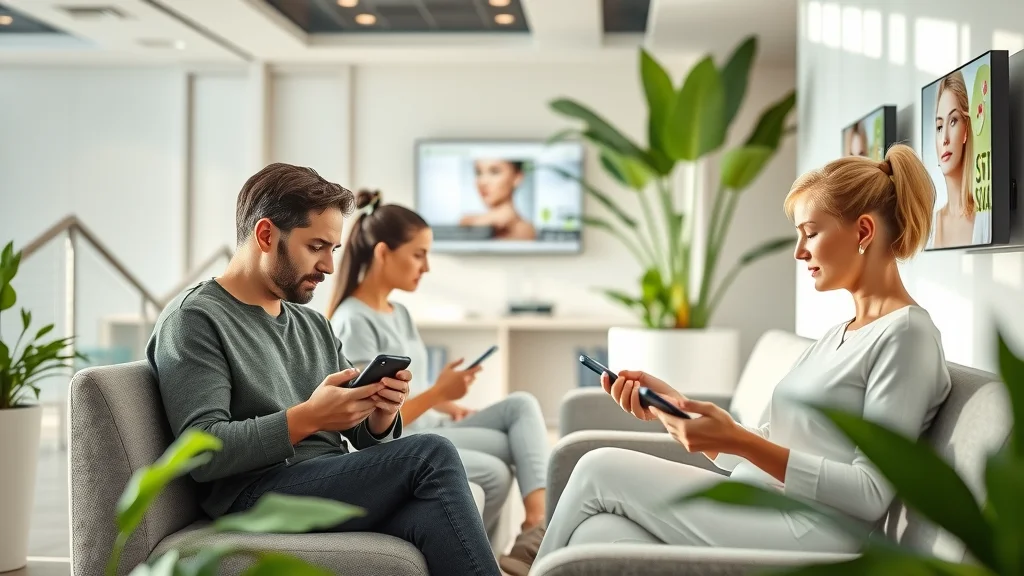
In the med spa industry, first impressions are everything. If a website feels slow to load, cluttered, or confusing, even the most interested potential clients will quickly close the tab. This scanning behavior is not unique to spas—every local business faces it. A visitor’s browsing journey is shaped by fast scrolls, gut-level reactions, and instant side-by-side comparisons of multiple businesses in the same search results. If your site doesn’t communicate value immediately, the opportunity is lost—often within seconds.
Customers make choices quickly, often after just a few seconds of looking at your website.
Why Good Service Isn’t Enough — Online Clarity Wins the Med Spa Market
Many small businesses, including med spas, believe their excellent service or unique offerings are enough to attract and retain clients. In reality, lost bookings usually happen before a potential client even makes contact. Unclear, cluttered, or non-mobile-friendly websites fail to match real browsing habits—leading prospects to abandon their search or choose a competitor. Even the best spa owner cannot compensate for a confusing web experience. The key to success is aligning your website’s structure and messaging with how customers behave: fast scanning, minimal clicking, and a preference for clear, visual cues.
An effective website also supports a business’s online presence and online visibility. When it is built to match modern expectations—quick to load, easy to navigate, and with obvious next steps—potential clients are more likely to move from curious visitors to booked appointments. That’s why clarity online is now as crucial as service quality offline. In the med spa market, conversion (turning visitors into clients) depends on how quickly and easily someone can understand and engage with your offerings.
Med Spa Website vs Marketing: Understanding the Core Differences
The Role of a Med Spa Website in Lead Generation
An effective medical spa website is more than an online brochure—it is a lead generation tool designed to convert visitors into bookings. Simplicity is vital: a one-page, focused design with intuitive scrolling can outperform complex multi-page sites by minimizing friction and making every step natural. In the spa market, clarity matters at every stage: your headline should immediately state what the med spa offers, a visible call-to-action (CTA) should invite immediate booking or inquiry, and necessary information should be accessible without long searches or clicks.
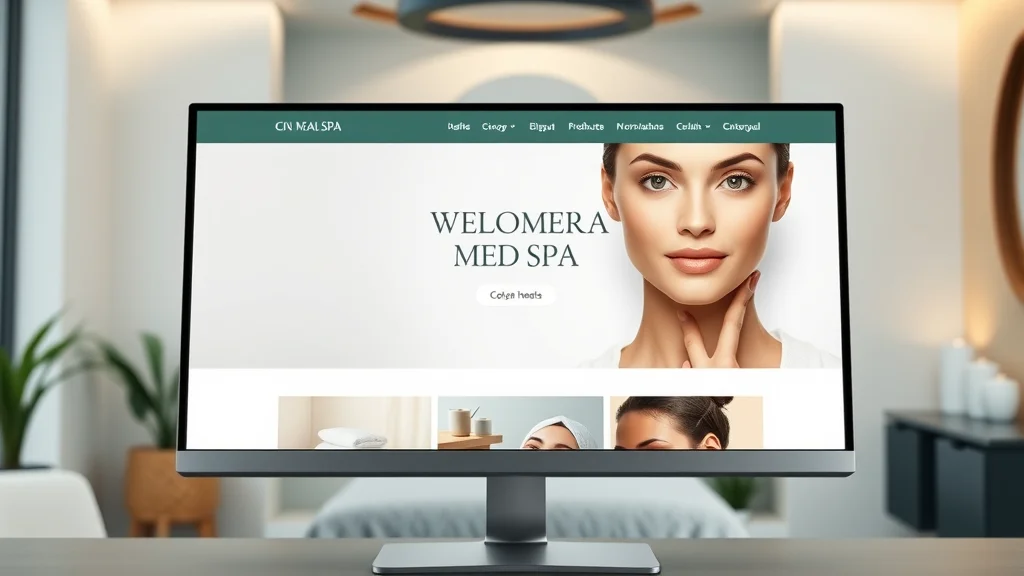
First impressions online are heavily influenced by mobile-first design and page speed. Most visitors access websites through smartphones, so responsive layouts, fast image loading, and fingertip-friendly buttons are no longer optional. A site that loads slowly or won’t adjust to mobile screens signals unprofessionalism and causes visitors to leave. For med spa owners and all types of local business, website usability is now the foundation of both online visibility and lead generation.
Med Spa Marketing: Traffic, Visibility, and the Booking Process
Digital marketing, including social media, SEO, email marketing, and other tactics, is essential for driving visitors to med spa websites. These efforts increase the chances that potential clients will find you when searching online. However, getting more traffic does not guarantee more bookings. If the website experience is confusing or the booking process is unclear, most visitors will simply move on. Marketing should not stop at attracting visitors—it must guide them to conversion.

Effective med spa marketing connects search engine visibility, engaging educational content, and a strong online presence with practical conversion techniques—like easy booking and prompt follow-up through email marketing. Businesses that merge both digital marketing and website design to create a seamless journey are best positioned for sustainable growth in the medical spa market and beyond.
Critical Factors That Drive More Client Bookings in the Med Spa Market
Clear Messaging and Calls to Action for Med Spas and Local Businesses
For any med spa, the most effective way to increase client bookings is through immediately clear messaging and strong calls to action. Visitors need to know exactly what the business offers and how to take the next step—without confusion or delay. This clarity builds trust and encourages action. Examples of effective CTAs include prominent “Book Now” buttons, phone numbers above the fold, or even a short contact form present as soon as a visitor lands. By reducing guesswork, spas and small businesses dramatically boost their chances of turning visits into bookings.
Many medical spas lose opportunities when their CTAs are hidden, unclear, or surrounded by clutter. The value of immediate communication can’t be overstated. Prospects often come from a search results page comparing several businesses at once—whoever presents their offer and booking path most simply is usually chosen.
Visitors need to see what to do next without thinking — simplicity leads to bookings.
Reducing Friction: Scrolling vs Clicking and Conversion Rate
Scrolling is now the default behavior—especially on mobile devices. Modern visitors expect to move down a page, uncovering information fluidly, without being forced to click through galleries or nested menus. Clicking adds friction: every time a potential client must load a new page or dig for details, the odds of conversion drop. This is a crucial realization for med spa owners and all local businesses aiming to improve lead generation. The goal should always be to make engagement as effortless as possible.
A high-converting med spa website reduces obstacles, presenting critical information, testimonials, and booking options with minimal scrolling and zero confusion. In contrast, excessive clicking creates cognitive load and leads many visitors to abandon the process. Framing your design around natural scrolling—rather than constant clicking—results in higher conversion rates.
| User Action | Scrolling Experience | Clicking Experience |
|---|---|---|
| Information Discovery | Smooth and continuous; users find details as they move down the page | Interruptions with each new page, risking loss of focus and increased abandonment |
| Conversion Likelihood | Higher—minimal barriers to booking, easier to guide users to action | Lower—users drop off as each click introduces delay and frustration |
| Mobile Usability | Optimal—taps and swipes mirror how people use devices today | Poor—small links/buttons, more time to load, harder to navigate |
Mobile-First Design and Page Speed: Impact on Local Spa Marketing
Mobile browsing is now the main way people interact with local businesses online. In the medical spa market, most clients will preview your website from their phones. If your site doesn’t load quickly, images are hard to view, or booking forms require excessive typing or pinching to zoom, you lose bookings—not because of your service but because of the digital experience.
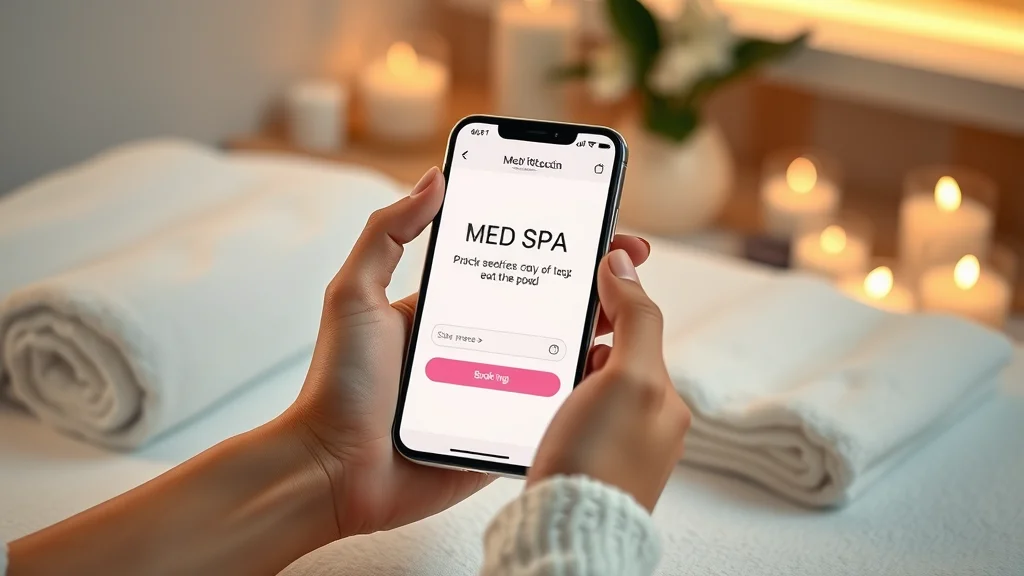
Fast load times are a non-negotiable standard. People expect instant access; even a few seconds’ delay signals unprofessionalism. Clear, minimal interfaces and visible calls to action make taking the next step natural. For med spa owners and other small businesses, successful marketing starts with creating web experiences that feel effortless on mobile and perform beautifully at speed.
How Businesses Compete Online: Visibility, Clarity, and Conversion
Competing on Clarity, Value, and Usability — Not Just Reputation
Today’s customers compare several options in a matter of minutes—often opening multiple websites at once. In this environment, local businesses win not by having the fanciest design or longest list of services, but by being the first to clearly communicate value and next steps. Most clients contact the first med spa (or restaurant, retail store, or service provider) whose website makes sense and is easy to use. The role of digital marketing and social media is to get businesses discovered, but discoverability alone is not enough—the site must also make taking action simple.
Social platforms can boost visibility, but clarity and usability are the true differentiators. Sites that build trust by guiding visitors seamlessly from curiosity to booking outperform those with confusing layouts, hidden details, or unclear messaging. This clarity is what keeps your business chosen over others, even if competitors have similar reputations or services.
The Reality of Website Investment: Traffic vs Effective Lead Flow
It’s common for a business to invest in a shiny new website, only to find that bookings remain flat. This disconnect happens because getting website traffic and turning that traffic into leads are very different challenges. Conversion—the process of turning a visitor into a customer—is what counts most. Guiding user behavior with intuitive design, clear CTAs, and a smooth website journey is what drives real growth.
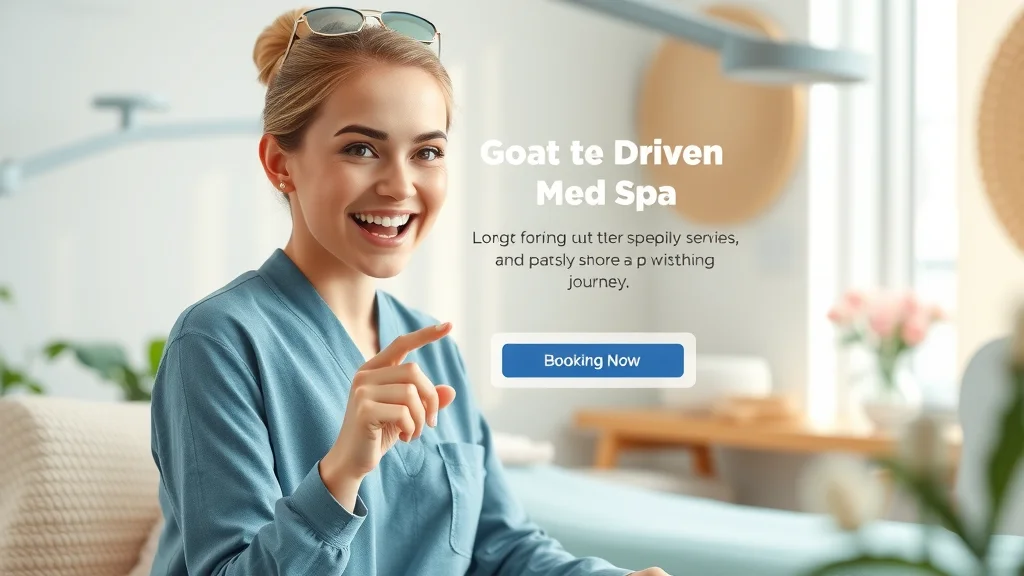
Successful local businesses treat their website not as a static brochure but as the hub of their marketing strategy. Traffic generated through social media, digital marketing, or search engine results must be supported by a conversion-focused, user-friendly website. Otherwise, valuable visitors slip away before they ever become customers.
The Search Engine Connection: Getting Found and Being Chosen
Search engine optimization plays a huge role in the med spa website vs marketing debate. Being found on search results pages—the result of strong online visibility and relevant educational content—gets you in front of potential clients. However, being chosen is where website design and clarity matter most. The clearer and more structured a site is, the better it ranks—and the higher its conversion rate.
For medical spa sites and all small businesses, search engine optimization isn’t just keyword placement. It’s about creating content and site architecture that aligns with user behavior, encourages conversion, and builds trust. Search engines reward structure and clarity because these elements keep users engaged and satisfied—key factors that lead to more bookings.
Common Website Mistakes That Hurt Med Spa Marketing and Bookings
- Unclear messaging that fails to convert potential clients
- Complex navigation and excessive clicking on medical spa websites
- Ignoring mobile users in med spa market digital marketing
- Lack of clear next steps or weak calls to action

List: Essential Elements for a High-Converting Med Spa Website
- Clear, concise headline stating what the med spa offers
- Simple, single-page site structure with intuitive scrolling
- Prominent call-to-action (CTA) above the fold
- Mobile-optimized layout and fast load times
- Social proof: testimonials or before/after images
- Easy-to-find contact information and booking options
- SEO fundamentals for discoverability on the medical spa market
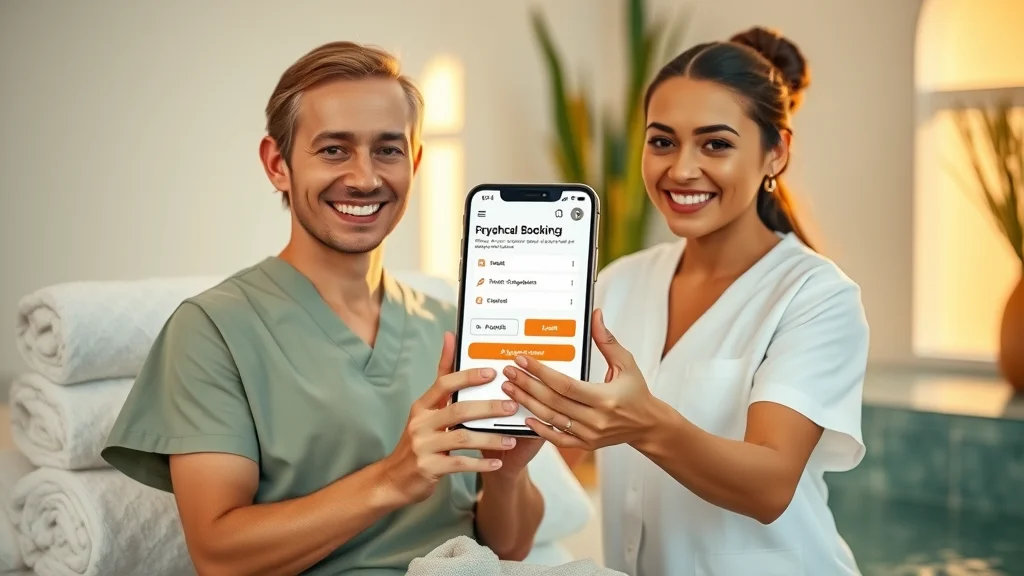
People Also Ask: What is the 3 3 3 Rule in Marketing?
Understanding the 3 3 3 Rule and Its Impact on Med Spa Website vs Marketing
The 3 3 3 rule in marketing—especially relevant to med spa website vs marketing—refers to the idea that visitors decide: within three seconds if your site is relevant, within three minutes if they want to take further action, and within three clicks whether they can get what they need. This principle illustrates the importance of concise information and strong user guidance. Success in the spa market and other local service industries depends on providing the right content quickly and minimizing obstacles to booking or inquiry.
Highlighting services clearly, showing visible booking options, and reducing unnecessary steps all contribute to higher conversions. The 3 3 3 rule should guide your web design choices—by making your most important information available fast, staying concise, and ensuring users need as few clicks as possible to take action.
People Also Ask: Is Social Media or SEO Better for Marketing a Med Spa?
Comparing Social Media and SEO for Med Spa Marketing Effectiveness
Social media and search engine optimization are both important marketing channels in the med spa industry—but each has unique strengths and limitations. Social media creates brand awareness and helps build relationships with potential clients through visual content, educational posts, and reviews. It’s highly interactive but often drives less direct booking intent than search engines. Meanwhile, SEO targets people already searching for med spas or services, making it a powerful driver of high-quality leads. Strong SEO helps a business appear in search engine results when potential clients are ready to book, while social media works to create ongoing engagement.
The best approach for medical spas and local businesses usually combines both methods: using social media to build trust and recognition, while structuring the website for search engine ranking and direct bookings. In all cases, website clarity is the common thread—traffic from social platforms or SEO only leads to bookings when the site itself makes taking action simple.
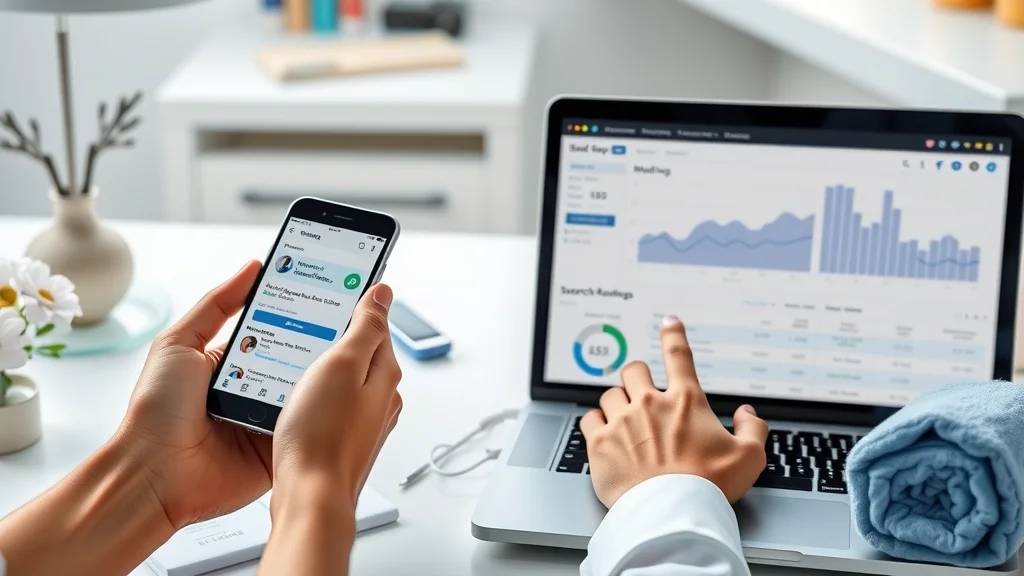
People Also Ask: What is the Best Way to Advertise a MedSpa?
Exploring the Most Effective Marketing Channels for Med Spa Bookings
The most effective way to advertise a med spa involves a blend of digital marketing efforts—such as targeted ads, strong online presence, and educational content—with a website that instantly communicates value and offers a hassle-free booking experience. While paid ads or social campaigns can generate attention, their success relies on having landing pages and a main website structured for action. Clear, easy paths to contact, book, or learn more are the keys linking marketing efforts to real-world bookings.
Whether you use search engine marketing, social platforms, or local directories, each marketing channel must guide potential clients toward a simple, trustworthy site that reduces friction and answers questions before they arise.
People Also Ask: What Are Red Flags to Avoid at Spas?
Identifying Key Red Flags on Med Spa Websites and Marketing
Warn potential clients to look out for common red flags when evaluating med spa websites and marketing. Signs such as lack of clarity, outdated design, missing information about services or staff, or a confusing booking process are all indicators of poor user experience. Visitors encountering slow load times, cluttered layouts, or unprofessional imagery are likely to leave and choose competitors with more modern, transparent sites.
For any small business, warning signs include inconsistent messaging, vague value propositions, and a lack of clear next steps. Clients in the spa market and other local services are especially quick to judge credibility based on web experience—meaning clarity, simplicity, and up-to-date information are not just nice to have, but essential for trust and lead generation.
FAQ: Common Questions About Med Spa Website vs Marketing
-
How can small businesses improve lead generation through website design?
By focusing on clear messaging, a single-page scrolling structure, fast mobile load times, and strong calls to action, small businesses can ensure more visitors convert into leads. Each of these design aspects reduces confusion and makes the booking or inquiry process obvious. -
What are the most effective simple changes for spa market websites?
Simplifying navigation, using larger and more visible CTAs, providing social proof such as testimonials, and keeping messaging concise will often yield rapid improvements in both user satisfaction and lead generation. -
Should I prioritize SEO or social media for my medical spa?
Ideally, both should be part of your strategy, but if direct bookings are the goal, prioritize search engine optimization for targeting people with high intent. Use social media to build ongoing trust and brand awareness. -
How do clear calls to action impact client bookings for med spas?
Clear and visible CTAs eliminate doubt and guide visitors to book or inquire. When a visitor immediately knows what to do next, conversion rates—and client bookings—rise significantly.
Key Takeaways on Med Spa Website vs Marketing for Client Bookings
- Website clarity is a deciding factor for visitors in the medical spa market
- Most clients compare several businesses but choose the easiest to understand
- Consistency in visibility and clear design leads to more client bookings
Summary: Strategies for Winning More Med Spa Bookings Online
- Structure your med spa website for clarity and user-friendly navigation
- Merge med spa marketing efforts with easy website actions for visitors
- Build trust and improve bookings through simple, mobile-first design and streamlined content
- Remember: small clarity improvements can lead to more leads in the med spa market
Watch: How Med Spa Website Structure Impacts Lead Generation
Short educational video demonstrating user behavior on med spa websites (Video 1)
Watch: Common Web Design Mistakes for Med Spa Marketing
- Video walkthrough of poorly performing med spa marketing sites (Video 2)
How Lead Generation Websites Work for Med Spa Market Growth
- Learn how modern lead generation websites combine digital marketing and conversion strategies to drive more bookings. See examples at Local Authority Content System.
If you’re ready to take your med spa’s digital strategy to the next level, consider how a comprehensive content system can amplify your authority and streamline your marketing efforts. By leveraging advanced publishing strategies, you can position your business as a trusted leader in your local market while ensuring every piece of content works toward your growth goals. For a deeper dive into building a sustainable, high-impact online presence, discover the principles behind the Local Authority Content System™ and unlock new opportunities for client acquisition and long-term success.




Write A Comment