


Is having fewer clicks on your website the key to turning more visitors into loyal customers? In today's fast-moving digital world, small businesses are constantly competing for attention online. Understanding the difference between a one page website and a multi page website—and how each impacts your lead generation—can make the difference between being chosen or being ignored. This guide breaks down the facts and clears up the confusion, so you can focus on what truly works for your business.
Opening Inquiry: Are Fewer Clicks the Secret to More Business Leads?
When customers land on a business website, their journey to becoming a lead often starts within seconds. Research shows that the average attention span online is shockingly short—about eight seconds. Most visitors don’t read every word; they scan headlines, glance at images, and search for quick answers. If taking the next step requires too many clicks or the information is hidden across multiple pages, potential customers often move on. That’s why the structure of your web design is so crucial: the fewer the clicks, the smoother the journey to conversion. This isn’t just a theory—it’s the result of observing how real people use the internet every day. Whether using a single page or multiple pages, the main goal is the same: make it as easy as possible for someone to understand what you offer and take action.

What You’ll Learn in This Guide on One Page Website vs Multi Page Website
- How site structure affects visitor behavior and conversions
- Core web design principles that turn visitors into leads
- Benefits and challenges of one page vs multiple pages for different business types
- How clarity, speed, and design impact customer decisions
- Tips for choosing the right approach for your business
Understanding Online Behaviors: How Visitors Interact With Page Websites
Attention Spans and Scanning: Why First Impressions on a Page Website Matter
- Most visitors decide quickly—often in under 8 seconds
- Users scroll and scan rather than read deeply
When someone lands on a business website, first impressions are formed almost instantly. Studies consistently show that viewers decide whether to stay or leave in the first few seconds. For page sites, grabbing attention with clear messaging and strong visuals is crucial. Most people don’t read web pages word-for-word—they scan headlines, look for bold key terms, and only read further if something catches their eye. The right hero image can set the mood, help communicate your offer, and establish immediate trust. If your page site makes it difficult for visitors to figure out your services or how to contact you, they’re much more likely to leave without taking any action.
This scanning behavior has massive implications for web design and lead flow. If visitors can’t see what to do next, or need to click through additional pages before they can act, confusion sets in. That’s why both single page and multiple page website layouts need to ensure their most important information—especially calls-to-action—stand out above the fold. Simplified, uncluttered page design improves the chance your message is understood and your visitor is converted into a lead. Website design is no longer about overwhelming people with information; it’s about making every second count.

Mobile Browsing and Natural Scrolling on Single Page and Multi Page Websites
- Mobile usage makes vertical scrolling the default behavior
- Too many clicks introduce friction and cause loss of leads
Around 70% of web traffic is now mobile, and scrolling has become the instinctive way people move through page websites. On small screens, lengthy menus and multiple layers can frustrate users; they quickly lose patience if each new piece of information requires another tap or wait. Whether it’s a single page site or a multi page site, a mobile-first approach means making sure key points and calls-to-action are visible with minimal effort. Simple swipes and fast-loading content keep people engaged and make it easier to lead them toward contacting you, submitting a form, or making a booking.
When the web design of a website introduces extra clicks—especially on mobile devices—visitors often drop off before completing any action. This is where one page website design shines: everything a customer needs is on one scrollable page, making navigation frictionless. In contrast, a multi page website must be carefully structured so that visitors can quickly find what they need, or else the experience can feel disjointed. In both cases, understanding how modern customers really use the web is essential for increasing conversions and drawing in more leads.
For a deeper dive into how structured content and publishing strategies can further enhance your website’s authority and lead generation, you might find the Local Authority Content System™ Insights & Strategy especially useful. This resource explores advanced methods for organizing and presenting information that can complement both one page and multi page website designs.
Comparison Table: One Page Website vs Multi Page Website at a Glance
| Feature | One Page Website | Multi Page Website |
|---|---|---|
| Clarity | High – all info in one place, clear flow | Varies – needs strong navigation for clarity |
| Speed | Loads faster, less to download | Slower if many extra pages and images |
| Navigation | Smooth vertical scrolling | Menu and links across sections |
| Mobile Experience | Designed for scrolling, easy actions | Must be well-optimized to avoid frustration |
| Search Engine Optimization | Efficient for a few, targeted keywords | Can target many keywords across pages |
| Common Use Cases | Portfolios, local business, single service, landing page | Retailers, blogs, multi-service, resource-heavy sites |
What is a One Page Website? Key Features and Web Design Principles
- Single page site design showcases all essential info in one place
- Smooth scrolling navigation instead of menu-based page switches
- Clear messaging and call-to-action presented up front
- Mobile-first web design for seamless user experience
A one page website is exactly what it sounds like—a page site that puts all vital content, services, and contact info on a single, easy-to-navigate scroll. This approach eliminates the need for users to jump between multiple pages to find what they’re looking for. Instead, every important section—from the hero image to the contact form and service list—flows naturally down the same page application. With smart web design, a one page layout guides the visitor step by step, using strong calls-to-action, focused messaging, and visual cues.
Clarity is the defining principle of single page sites. The main goal is to remove friction: users never have to search through extra pages or complicated menus. Instead, everything a potential customer needs is available immediately or one swipe away. Modern web builders and site templates are increasingly optimized for this clean, clear approach, focusing on responsive website design and fast page loads. With more visitors coming from mobile devices than ever, the one page website design offers a practical way to meet customer expectations and boost conversion rates.

Ideal Use Cases for a One Page Site
- Portfolio sites, local business landing pages, simple service offers, event or campaign pages
Not every small business needs a large, complex website structure. One page websites shine where the offer is simple and clear: for example, a freelance designer showing off work samples in a portfolio, a plumber or roofer laying out services for local customers, a restaurant giving menu and contact details, or promoting a special event with a strong landing page. In these use cases, visitors need to know "who, what, and how to contact"—and the single page site is the most efficient route. By minimizing distractions and guiding users with bold calls-to-action, these page websites often generate more direct inquiries, calls, or bookings.
The single page site is not a one-size-fits-all solution, but it is an ideal choice for businesses or promotions where focus, speed, and simplicity matter most. For industries where quick decisions and immediate action are valuable, a concise page website can outshine a more traditional, multi page website by keeping the path to conversion unmistakably clear.
SEO and Lead Flow Considerations with Single Page Websites
- Simpler structure supports faster load times and direct user journeys
- Strategic placement of keywords and content sections for search engine visibility
There’s a common misconception that single page websites lack SEO power. In truth, with the right page design and SEO strategy, a one page website can rank highly for focused local searches and niche terms by carefully integrating keywords and relevant content throughout the scroll. Because they load quickly and provide immediate value, one page sites often achieve higher engagement rates, which can also influence search rankings. However, for broad or multi-topic SEO, their simplicity may be a limitation. Each content block acts as a ‘section’ rather than a new page, so you must organize your headlines, calls-to-action, and service explanations for both search engine and human visibility.
In terms of lead generation, focusing all efforts on a single journey—where every section leads naturally to a form, button, or contact detail—removes confusion. Since there’s no guessing where to click next, visitors are more likely to convert. For businesses using social media, paid ads, or local listings, landing new traffic on a well-optimized one page website often results in faster, clearer lead flow.
What is a Multi Page Website? When Multiple Pages Make Sense in Web Design
- Each major topic or offer on a distinct page (multiple pages site)
- Traditional navigation bars with several sections
- Good fit for sites with many categories, products, or resources
A multi page website separates content into different sections and categories, making use of menus, navigation bars, and sometimes dropdowns. Classic examples include retail stores, blogs, large service businesses, and medical providers, where each product, service, or department needs its own dedicated space. In this type of website, visitors expect to move between additional pages as they compare offerings or learn more about the business. Website builders and site templates for multi page structures are designed to support growth and flexibility, with options for landing pages, resource libraries, and more complex site maps.
The main advantage of multiple pages is organization; deeper details can be unpacked in a logical way. However, this approach presents certain challenges for lead flow and user experience. Each extra click is a chance for someone to lose interest or get confused, so web design must focus on keeping navigation tools clear, minimizing dead ends, and ensuring a consistent experience from one page to another. For businesses with a wide range of services, an effective multi page website helps avoid information overload on a single page site, while still pointing visitors toward contact forms and calls-to-action.

Strengths and Weaknesses of Multi Page Site Structure
- Allows deep-dives (good for complex businesses), but risks user confusion
- May dilute attention with too many choices and links
The strength of a multi page site lies in its ability to accommodate a range of topics, services, or products—think of a medical clinic with dozens of practitioners or an online retailer with countless categories. By dividing content across several sections, businesses can tailor messaging and visuals for each part of the site. However, this freedom comes with a trade-off: the greater the number of pages, the more likely visitors are to get lost, distracted, or frustrated if navigation isn’t rock-solid. When each additional page requires a separate click or menu search, conversion rates can drop significantly.
Another consideration with multi page websites is consistency. If each page uses a different style, tone, or layout, visitors may question credibility and trustworthiness. Strong web design practices involve using a clear hero image, repeatable UI design components, and a focused call-to-action on every key landing page. The best multiple pages websites guide users from entry to desired action with as little confusion as possible. If not, the site can feel overwhelming rather than welcoming.
SEO and Conversion Potential with Multiple Page Websites
- Multiple landing pages can target diverse keywords
- Complex navigation can lower conversion rates if not carefully designed
Multi page websites naturally excel at ranking for more keywords across different topics—each page can act as a landing page for a unique service, product, or location, supporting a broader SEO strategy. For small businesses that serve multiple markets or offer many solutions, this structure allows each department or offer to shine. However, as search engines prioritize user experience, having too many thin or duplicate pages can sometimes harm performance. Careful website design and SEO work are required to create unique, high-value content for each section.
From a lead generation perspective, the risk is introducing too many barriers or distractions. Every menu link or additional page is an opportunity for a visitor to click away, lose interest, or never reach the contact form. For best results, businesses should ensure that each route through the site ends with a clear call-to-action, regardless of where a visitor starts. Simplifying navigation, speeding up load times, and removing unnecessary decision points can help multi page websites perform at their best.
How Web Design Choices Directly Impact Lead Generation
Why Clarity Wins: Message, Offer, and Calls-to-Action
- Visitors respond quickly to sites that clearly communicate solutions
- Ambiguity leads to lost trust and reduced conversions
In the competition to win leads online, clarity is everything. Studies reveal that a visitor will judge whether to trust and act on a page website in seconds. Businesses that succeed in turning visitors into leads use bold headlines, direct language, and focused calls-to-action. If someone has to “figure out” what the business does or why it matters, that business is likely to lose the opportunity entirely. A well-planned hero image, brief explanations, and buttons that ask visitors to call, book, or submit a form remove decision fatigue and improve lead generation.
It’s not just what you say, but how directly you say it. In both single page and multi page websites, uncertainty kills conversions. Professional web design isn’t about fancy effects or lengthy stories; it’s about cutting through the noise and making the offer immediately clear. Whether you run a local service, a retail shop, or a professional practice, ensuring your website design is clear and purposeful makes it more likely for someone to contact you. Simpler structure and straightforward page application lead to greater results.

Reducing Friction: Fewer Clicks, Faster Loads, and Lead Flow
- Every extra step increases drop-off
- Simple, direct navigation helps visitors act quickly
One of the main reasons businesses lose potential customers is friction. Each additional click, slow page load, or unclear direction creates a barrier to conversion. Data shows that people are most likely to become leads when the path is obvious, fast, and intuitive. That’s why many small business websites are moving toward single page sites: the reduced need to navigate or search makes it more likely people will take action.
For businesses using multi page sites, minimizing friction means making navigation obvious and ensuring every page leads logically to a call-to-action. This might include sticky “Contact” buttons, simplified menu options, or forms that are visible no matter where a visitor clicks. Web design that keeps visitors on track, avoids dead ends, and loads instantly not only feels better but produces better lead generation performance across the board.
Page Application Design: Functionality without Complexity
- Guided action through focused sections boosts lead generation
Successful websites—regardless of structure—guide users toward a single, clear action. Whether booking a service, submitting a form, or making a call, the page design should walk the visitor step-by-step toward this goal. For one page websites, focused sections and visible CTAs (calls-to-action) act as guideposts, clarifying what action is expected. For multi page websites, repeating key buttons and messaging on each page ensures users never feel lost. Keeping website templates and applications simple ensures that visitors remain engaged and conversions stay high.
Ultimately, every web design detail, from color contrast to button size, has an impact on lead flow. A great user experience is never accidental; it’s the result of a conscious effort to make every step easy, intuitive, and rewarding for the visitor.
User Experience and Behavioral Trends in Web Design
Mobile-First Design and the Dominance of Scrolling on Page Websites
- Over 70% of web traffic is now from mobile devices
- Single page formats often perform best on mobile browsers
With the majority of web traffic coming from mobile devices nowadays, traditional navigation models have shifted. People are used to scrolling through content, especially on single page websites. When web design puts mobile-first—ensuring big buttons, smooth scrolling, and visible CTAs—the result is higher engagement and more leads for small businesses. Sites that force people to pinch, zoom, or dig through menus perform poorly compared to those that prioritize scrolling and simplicity.
For small businesses, this shift is especially important. From retail stores to local home services, customers expect to find what they need quickly while browsing on a smartphone. Whether you choose a one page or multi page website, make sure your web design and user experience reflect modern browsing behaviors. Fast, responsive website templates and clear content blocks should be tested on real mobile devices before launch.
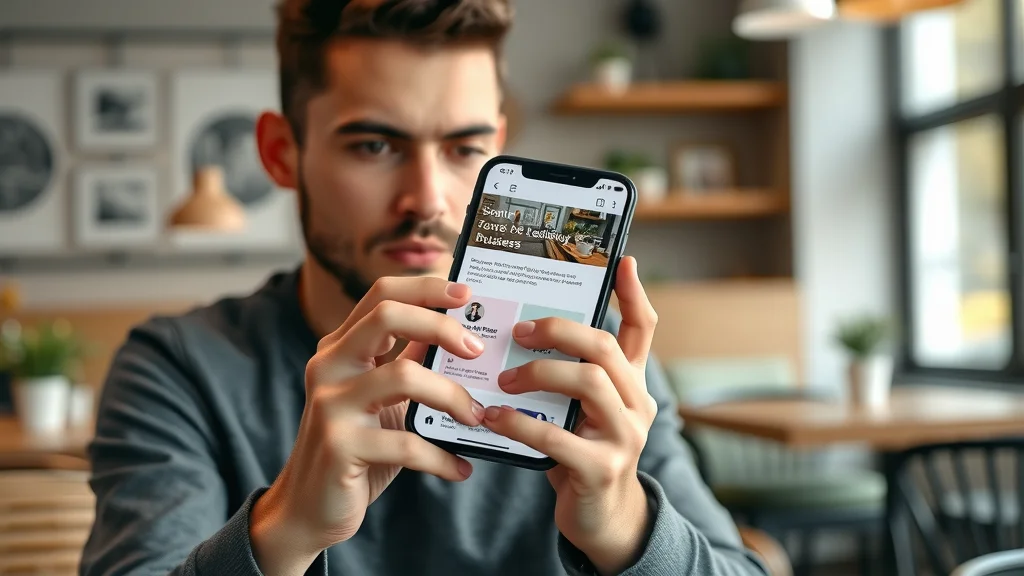
First Impressions: Trust, Credibility, and Website Design
- Visual cues and clear headlines build trust instantly
- Professional design increases perceived value
People judge businesses by their website design as much as by online reviews or word of mouth. The first thing a visitor sees—a bold headline, a clean layout, a sharp hero image—shapes their perception of credibility and value. Sites that look outdated, cluttered, or confusing can drive visitors away before an offer is even considered. On both one page and multi page sites, consistent UI design, quality images, and professional color schemes help create trust from the very first glance.
This visual impact doesn’t require expensive design work; simple improvements like aligning content, using brand colors, and organizing information in clear sections can have a dramatic effect. When small businesses invest in a modern, organized site—even a basic template—they show customers they care about the details and are ready to help.
How Customers Decide: Comparing Businesses Online
Side-by-Side: How Small Businesses Are Chosen in Search Results
- Clarity and ease of action trump reputation alone
- The first website to make sense wins most leads
Online, every business competes side-by-side within the same search result. Prospective customers rarely click through every option or read every review. Instead, they quickly scan a handful of websites and typically contact the first one that makes sense to them. Clear messaging, a standout value offer, and a prominent call-to-action are what drive decisions—not necessarily years in business or glowing testimonials. Whether using a one page or multiple pages, being the most understandable and approachable choice often results in more leads.
This is why the foundation of effective page website design is clarity. Visitors prefer sites where they can navigate smoothly and act quickly, without confusion or unnecessary clicking. If a competitor’s website spells out its offer and path to contact more clearly, it’s likely to win the customer—even if your business is actually the better choice. Small design improvements that make actions obvious can close this gap and attract more leads for your business in any competitive market.
Conversion Defined: What Counts as a Lead?
- Calls, form submissions, bookings, or purchases
In web design, a conversion means turning a website visitor into a potential customer. This could be a direct phone call, completing a contact form, making a purchase, or booking a service. Every page—whether single page or multiple pages—should focus on leading visitors to these actions. Tracking conversions is how businesses measure what works and what needs fixing.
On a single page website, this might mean highlighting a “Call Now” button throughout the scroll, or placing a short form near the top and bottom. On a multi page site, it means having a contact section easily available on every landing page, clearly labeled and quick to fill out. When conversion paths are hidden or unclear, even the best traffic won’t deliver results. Lead generation web design always puts these actions at the center.

Realities: Investing in Web Design vs Actual Lead Generation
- Traffic is only useful if paired with clear conversion paths
- Website confusion, not poor service, is the leading cause of lost opportunities
It’s common for small businesses to invest time and money into building attractive websites only to see little return in the form of leads. The disconnect is usually not in their services, but in clarity and user experience. A site full of information but lacking clear direction struggles to convert visitors into customers. Traffic is never enough on its own—a successful website must guide, not just inform.
This is why countless businesses with outstanding reputations still see competitors win more leads with simpler, clearer websites. Web design that puts the user’s needs and expectations first—showing what’s offered, where to act, and how to get in touch—turns casual visitors into real business opportunities. The lesson is universal: clarity and simplicity work.
Quotes from Customer Experience and Web Design Experts
"If your site doesn’t make sense instantly, your competition is one click away." – Web usability analyst
"Clarity, not complexity, is the fastest route to more leads." – Local business marketing consultant
Key Takeaways: One Page Website vs Multi Page Website for Lead Generation
- One page websites reduce user friction and boost clarity
- Multi page websites serve larger sites, but risk confusing visitors
- Mobile-first and rapid load speeds influence decision-making
- Strong calls-to-action are critical regardless of structure
- Small design improvements can deliver more leads
Lists: Practical Tips to Maximize Leads with Either Structure
- Keep key info visible without scrolling or clicking
- Use clear, direct language in every section
- Limit decision points – guide users to the desired action
- Prioritize speed and simplicity in all web design decisions
- Ensure mobile compatibility and test on real devices

People Also Ask: One Page Website vs Multi Page Website
Is it better to have a one page website or multiple pages?
The best choice depends on your business goals and the complexity of your offer. One page websites are excellent for smaller businesses or focused campaigns because they reduce friction and make the call-to-action obvious. Multi page websites fit businesses with a wide range of services or products but require careful navigation and clarity to avoid confusing visitors. Your decision should reflect how customers use your site and what actions you want them to take.
What are the five golden rules of a website?
Five key rules: (1) Make your message instantly clear, (2) Guide visitors to action with visible calls-to-action, (3) Keep navigation simple, (4) Optimize for mobile-first and fast loading, and (5) Use professional, consistent design throughout your site. Whether you use a one page website or a multi page website, these rules help maximize conversions.
What are the disadvantages of one-page sites?
One-page websites may struggle with broad SEO since they cannot target a wide array of keywords or topics. As your business grows and offers expand, a single page may become crowded or hard to organize. Complex businesses or those needing extensive resources and different landing pages might find a multi page site more flexible in the long run.
What are the 7 C's of a website?
The seven C’s are: Clarity (easy to understand), Context (relevant to user needs), Consistency (design and navigation stay the same), Credibility (professional, reliable look and content), Content (valuable information), Customization (personalized where needed), and Connectivity (easy ways to engage or contact). Following these principles helps any kind of site—from one page website to multi page website—perform more effectively.
Answers to People Also Ask Questions
- One page websites are ideal for focused offers and simplicity, while multi page sites work for larger, more detailed businesses. The right choice depends on your type of business, audience, and how you want to guide users toward action.
- Following the five golden rules of web design brings more conversions: clarity, clear calls-to-action, simple structure, mobile-first design, and professionalism.
- Disadvantages of one-page sites include limitations in SEO reach and organizational challenges as your content grows more complex.
- The 7 C’s—Clarity, Context, Consistency, Credibility, Content, Customization, Connectivity—are foundational for building trust and getting results, no matter your site’s structure.
Frequently Asked Questions (FAQs) About One Page Website vs Multi Page Website
-
How do one page websites perform on search engines?
One page websites can rank well for carefully targeted keywords, especially for local searches or niche services. Their focus can help with engagement and time-on-site. However, for broad topics, a multi page structure may provide better results in search engine optimization. -
Do multi page sites help with SEO for multiple services?
Yes, multi page sites allow you to dedicate landing pages for each service, location, or product. This flexibility makes it easier to optimize for a wider range of keywords and appeal to more customer segments. -
Which is easier to update: single page or multi page?
Single page sites are often easier and quicker to update since all content is housed in one place. For ongoing changes to multiple products or frequent blog posts, a multi page site may be more manageable. -
What is a landing page and how does it fit into site structure?
A landing page is a stand-alone section or dedicated page created to drive a specific action, such as signing up, booking, or buying. On a one page website, landing page sections are built into the scroll. On a multi page website, additional landing pages can target special offers or advertising campaigns. -
Can a one page website be effective for all business types?
While a one page website can be highly effective for many small businesses and focused offers, complex companies or retailers with lots of services will usually benefit more from a multi page approach. The important part is matching your website’s structure to your audience’s needs and your own business goals.
Final Thoughts: Choosing the Right Structure for Your Business
- Visibility and recognition build over time with consistency
- Easier to understand businesses are chosen more often
- Clarity, structure, and simplicity drive lead generation
- Apply small improvements regularly to strengthen results

See How Lead Generation Websites Work in Action
- Learn about proven systems for turning visitors into leads with clear, modern web design.
See How Lead Generation Websites Work →
If you’re ready to take your website strategy to the next level, consider exploring how a comprehensive content system can amplify your online presence and authority. The Local Authority Content System™ Insights & Strategy offers a broader perspective on building trust, visibility, and long-term results through structured publishing. By integrating these advanced approaches with your chosen website structure, you can unlock new opportunities for growth and lead generation in your market.




Write A Comment