


Are you relying on your website to bring in customers, but still feel like your business is invisible online? Or have you heard about sales funnels yet aren’t sure if they really move the needle when it comes to capturing leads? In a world of quick decisions and short attention spans, the real debate isn’t just website vs funnel—it’s about which approach actually connects with your customers and convinces them to act.
What You'll Learn in This Guide on Website vs Funnel for Lead Generation
- The key differences between a website and a sales funnel
- How real customer behavior affects lead generation
- Lead generation web design principles that work
- How to identify which approach is best for your business
Opening Question: Are You Losing Leads with Your Website or Funnel?
It's common for small businesses to invest in digital storefronts expecting a steady stream of leads, only to find that site visitors disappear without taking any action. If you’ve wondered whether it’s your web page structure, your calls to action, or simply the competitive nature of online business, you are not alone. The debate between traditional websites and sales funnels is more than a trend—it's about matching your digital approach to the way customers actually interact online. In this section, we dig into why many businesses see high traffic yet low conversion rates and how you can address this with the right strategy.
Most Customers Decide in Seconds—First Impressions Matter
- Attention spans are short—most visitors scan, not read
- First impressions form almost immediately when landing on web pages
Every second counts when a visitor lands on your web pages. Research on customer attention spans suggests that small business websites have, at most, a handful of seconds to show value. Most users don’t read content fully—they quickly scroll and scan. They look for immediate relevance, clear offers, and the next step. This modern behavior is not limited to younger generations—anyone using a phone or computer now moves fast. First impressions are formed in the blink of an eye, and the layout, design, and clarity of your website all play a crucial role. If a visitor is confused or overwhelmed, they leave and check out a competitor. That’s why web design for lead generation must focus on instant clarity and strong calls to action.

Understanding Conversion: More Than Just Traffic
- Conversion means turning a web page visitor into a customer
- Calls, bookings, purchases, or contact forms count as conversions
Getting more people to land on your web page is only half the challenge. Conversions are what really measure success—when a visitor becomes a lead or a paying customer through a specific action. This might be a phone call, an online booking, filling out a contact form, or making a purchase. Traffic does not guarantee customers. If your pages set out a clear path and invite action, conversion rates rise. If they don't, visitors quickly drift away. Whether you use a traditional website or a funnel, your design must prioritize making the next step obvious and inviting. The better your site aligns with how people think and act, the more likely you are to capture leads and build long-term trust.
For a deeper dive into how structured content and authority-driven publishing can further enhance your lead generation efforts, consider exploring the Structured Local Authority Publishing approach. This method emphasizes clarity and trust, which are essential for both websites and funnels aiming to convert visitors into loyal customers.
Website vs Funnel: Core Differences for Small Business Lead Generation
Understanding the differences between a traditional website and a sales funnel is essential for choosing the approach that brings the most leads for your online business. While both can showcase your products or services, each serves a different customer journey. Let's break down the structure and function of both methods so you can identify which best meets your goals for generating leads and driving growth.
Traditional Websites: Multi-Page Structure and Web Page Navigation
- Multiple web pages often create navigation challenges
- Too many clicks and complex navigation can reduce conversions
A traditional website usually has multiple web pages—home, about, services, blog, contact, and more. Each page has its own message, and visitors must navigate using menus and links. While this structure allows you to share in-depth information and build trust by showing your expertise, it can also create friction. Users are forced to click through various pages set out in menus, which means every additional step is a potential exit point. Too many choices, unclear next steps, or overwhelming content often lead to visitors abandoning the site without taking action. This challenge is especially pronounced in highly competitive online categories, where visitors compare businesses quickly. Unless your site provides a clear path and an obvious next action, they may leave before you get a chance to capture leads.
Sales Funnels: Guided, Single-Flow Experience
- Funnels work by directing visitors through a clear path
- Less navigation, more focus on a single call-to-action
Unlike traditional websites, sales funnels are designed to lead visitors through a single, focused experience. Funnels work by removing obstacles and distractions. Instead of multiple web pages and lots of options, a funnel is typically a one-page or step-by-step sequence. Each step naturally moves the visitor toward a specific goal, such as booking an appointment or filling out a lead magnet form. This design focuses all attention on the main call-to-action, increasing conversion rates and making the path from visitor to lead as smooth as possible. There’s less clicking around and more scrolling down—a key difference that aligns well with modern browsing habits. Funnels can be created using various funnel builder platforms, but the core principle is always about clarity and guidance.

How Online Customers Really Behave on Websites and Sales Funnels
Customer behavior has shifted dramatically over the past decade, especially with the rise of smartphones and always-on internet access. Shoppers, clients, and even patients now approach websites and funnels with specific habits. By understanding these behaviors, you can design your digital experience—whether it’s a website or a funnel—to better capture and convert visitors.
The Scroll-and-Scan Reality: How Visitors Use the Web Today
- Scrolling dominates over clicking through multiple web pages
- Visitors compare businesses quickly and move on if unclear
It’s no secret that today’s internet users prefer to scroll rather than click through multiple layers of web pages. Long gone are the days when people leisurely browsed an entire website. Now, visitors expect to quickly find what they need by scrolling through content on a landing page or a simple homepage. This scanning behavior means that, if your business doesn’t present value upfront, users will miss your message or compare you unfavorably to a competitor who’s clearer. Most people do not click from page to page; instead, they scan for headlines, calls-to-action, and signs that your products or services fit their needs. The winning formula? Simple, scrollable web pages with strong visual cues and an obvious next step.
What Leads Customers to Take Action (or Leave Your Page)
- Clear messaging and strong, visible calls-to-action improve conversion
- Confusing layouts or content-heavy web pages deter action
The decision for a visitor to become a lead is made in moments. Clear messaging—saying exactly what you offer and why a customer should act—paired with obvious calls-to-action like “Book Now” or “Get a Free Quote” is key to increasing conversion rates. On the other hand, cluttered designs, endless text, or too many choices create confusion. When the next step is not obvious, or your offer isn’t immediately clear, visitors may leave and seek out a competitor. Both traditional websites and funnels succeed or fail based on how well they provide guidance and clarity. Remember: customers are making split-second decisions, not studying each business in detail. Match your design to their behavior, and your lead capture will soar.

Why Many Websites Struggle to Generate Leads Even with Good Traffic
It’s common to see small business websites with steady traffic but very few conversions. The problem isn’t just about getting visitors—it’s about guiding them to take action. Many business owners believe that pouring resources into traffic generation (like SEO and social media) will automatically grow their customer base. In reality, if your web pages create friction or leave visitors unsure of what to do, even heavy traffic won’t translate into new customers.
The Cost of Friction: Where Traditional Websites Fall Short
- Too many choices or unclear next steps cause visitors to abandon sites
- Design that does not match browsing behavior affects results
One of the primary reasons traditional websites underperform is friction—the subtle roadblocks that stop a visitor from moving forward. Menus with too many options, web pages set with dense content, or layouts that hide calls-to-action make it easy for visitors to get lost or distracted. Every extra decision a visitor must make is a chance they’ll leave. These small points of confusion add up, especially when customers compare your site to others in a crowded market. Reducing friction means having simple navigation, clear messages, and design choices that reflect how people browse today. Modern web design for lead generation centers on ease and clarity, making the next step obvious from the start.
How Sales Funnels Improve the Path to Conversion
- Funnels work by reducing friction and focusing on one goal
- Better suited for lead generation with a guided process
A sales funnel’s structure addresses these challenges head-on. By offering a single, coherent path from point of entry (such as a landing page from an ad or a social media post) to a lead capture form or booking calendar, funnels remove obstacles and decision fatigue. Every element on the funnel page is designed to emphasize one action. There are fewer distractions, less to think about, and little chance for a visitor to wander off—this is how funnels work to boost conversion rates. This method does not limit information but presents it in a focused, step-by-step sequence, aligning with natural scrolling behaviors and guiding the user forward without overwhelming them with choices.
The Importance of Mobile-First Design in Website vs Funnel Performance
In today’s digital landscape, mobile browsing is the norm. Whether customers are searching for a restaurant menu, booking a home service, or checking business hours on-the-go, your online presence needs to look and perform well on smartphones and tablets. Mobile-first design is not just a trend—it’s an expectation.
Mobile Browsing Dominates—Both Websites and Sales Funnels Must Adapt
- Most users now visit web pages from phones or tablets
- Simple, easy-to-scroll designs see higher conversion rates
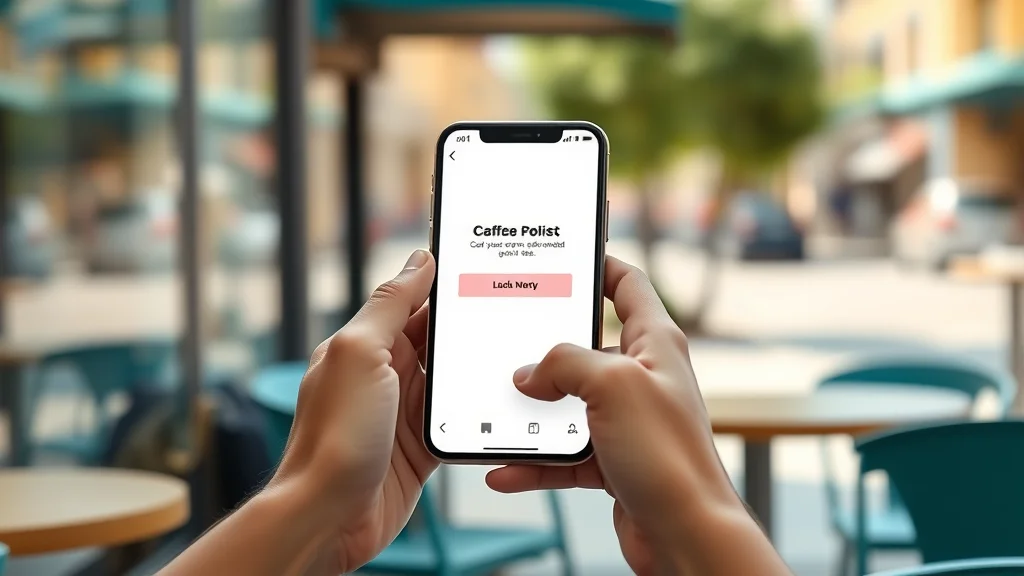
Most potential customers, regardless of business type, now interact with digital storefronts on their mobile devices. This behavior makes mobile optimization essential for both conventional websites and sales funnels. Pages that are easy to scroll, load quickly, and present clear calls-to-action without pinching or zooming see significantly higher conversion rates. Complex menus or cluttered multi-page layouts frustrate mobile users and damage your lead generation efforts. Prioritizing a mobile-first, single-flow approach aligns your online experience with modern browsing habits, making it easy for visitors to take the next step, whether booking, calling, or submitting a form directly from their phone.
Lead Generation Web Design Principles: From Website to Funnel
- One-page or simple web pages reduce confusion
- Clear calls-to-action direct user behavior on both sites and sales funnels
- Messaging must answer what your business offers in seconds
- Fast page speed, clear structure, and obvious next steps are critical
Effective lead generation design follows a few core rules, whether using a traditional website layout or a sales funnel. First, keep it simple. One-page designs or websites with very few clearly organized web pages easily outperform their complex counterparts in terms of lead capture. Your main message—what you offer and what visitors should do next—must be understood within seconds of landing on your site. Strong, well-placed calls-to-action on every page guide users naturally to conversion, providing a clear path to booking, calling, or filling out a lead form. Prioritizing fast load times and mobile optimization is just as important. Lastly, always be obvious: make it impossible for potential customers to get lost or confused. The easier and clearer you make things, the more leads you’ll generate.
How Businesses Compete Online: More than Just Service Quality
Today’s small businesses face stiff competition online—not just from companies in the same field, but from anyone seeking a share of a customer’s attention. Winning isn’t simply about having better products or services. It’s about how effectively your web page communicates, how quickly a visitor understands your advantage, and how easy it is for them to act.
Comparison Is Instant—How Your Website or Funnel Ranks Against Others
- Customers scan competitors in search results quickly
- Clarity and ease of contact often matter more than reviews
When potential customers use search engines or social media to find services, they compare options rapidly—often within seconds. They aren’t reading every detail or investigating every reputation. In fact, the business that communicates its value most clearly, with a visible offer and a quick way to contact or book, usually wins. You’re not only up against other providers, but also against the limits of customer patience and attention. If your competitor’s landing page or funnel delivers the information and sense of trust faster, they're more likely to capture leads, regardless of who offers a better service. Your web page must be clear, easy to use, and inviting from the very first glance.
Clarity Over Complexity: A Simpler Offer Wins
- Many businesses lose leads to unclear messaging—not poor service
Often, business owners assume that their service speaks for itself, or that adding more information to their web pages improves credibility. In reality, most businesses lose leads not because of what they do, but because they fail to quickly, clearly communicate it. Simplicity is your friend—tell visitors what you do, who you do it for, and what to do next. Funnel builders and one-page web designs capitalize on this, stripping away complexity and driving home a focused, memorable message. The easier you make it for a visitor to understand and act, the more likely you are to generate leads, no matter how competitive your field.
Visibility and Decision: The Connection Between Web Page Structure and Trust
- Customers trust businesses that communicate value in the first moments
- Consistent design and clear offers build recognition over time
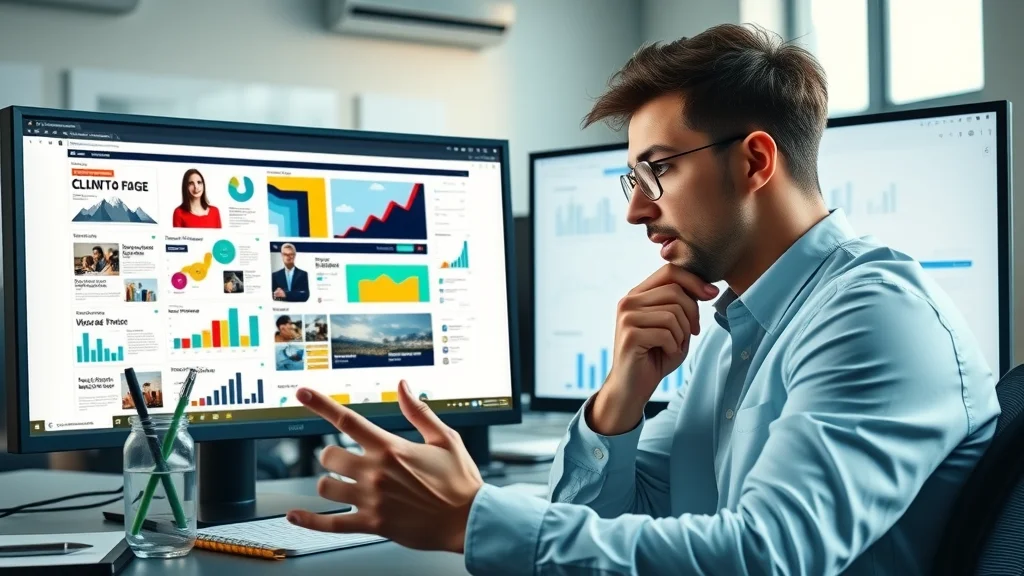
Website structure influences trust and conversion rates far more than many small business owners realize. The first thing a visitor sees shapes their entire perception of your business. Clear, consistent structuring—using similar language, branding, and calls-to-action throughout your site or funnel—makes your business recognizable and reliable. When customers repeatedly see the same clear message, trust builds naturally over time. Businesses that prioritize this early communication not only generate more initial leads, but also increase their chances for word-of-mouth referrals and repeat inquiries. The lesson: if your site’s structure is unclear or inconsistent, you risk losing out not just today, but in the long term as well.
Website vs Funnel Case Studies: Which Generates More Leads?
“Many businesses find that simple, focused pages outperform complex, multi-page sites when it comes to getting visitors to take action.”
- One-page sites often see higher conversion than standard websites
- Guided sales funnel experiences prevent visitors from getting lost
Case studies across a variety of industries have shown that focused, single-flow sales funnels or one-page web designs generally produce higher conversion rates than traditional sites. A local service provider might see an increase in leads simply by switching from a multi-page website to a funnel that guides users directly to a booking form or call button. The reduced friction means visitors spend less time deciding what to do and more time moving down the funnel. Funnels work best when each step is logical and every element on the page is designed with a specific goal—capturing leads, collecting contact information, or encouraging calls to action. Visitors who are guided never get lost or distracted by too many options and are thus more likely to become customers.

Table: Side-By-Side Comparison—Website vs Funnel for Small Businesses
| Feature | Traditional Website | Sales Funnel |
|---|---|---|
| Structure | Multi-page, menu navigation | Single-flow, step-by-step |
| User Action | Explore, click | Guided, focused |
| Conversion | Contact page, forms, multiple options | One primary action (lead capture) |
| Messaging | Spread across web pages | Centralized, direct |
| Best For | Info-heavy or content-rich services | Direct lead capture, single offer |
FAQs on Website vs Funnel for Lead Generation
Is a funnel the same as a website?
No, a sales funnel is a guided, step-by-step process to lead a visitor toward a single goal, while a traditional website may have multiple pages and navigation paths. They serve different purposes for small business lead generation.
Are funnels obsolete?
No, sales funnels remain effective for guiding users toward taking action, particularly for lead generation. Their focused structure still matches how people naturally interact online.
Why is everyone leaving Clickfunnels?
Some businesses seek more flexible or affordable lead generation solutions, but the core principle of the sales funnel remains powerful regardless of platform.
Is SEO an upper funnel?
SEO helps bring visitors into the awareness or 'top of the funnel' stage. Effective SEO drives traffic, but converting that traffic depends on clear messaging and structure.
Key Takeaways: Making the Website vs Funnel Decision
- Clarity and ease of action matter more than the number of web pages
- Simple, mobile-first designs guide visitors naturally
- Clear calls-to-action and fast page speed drive more leads
- Consistent, focused messaging wins against complex layouts
How to Choose: When Should Small Businesses Focus on a Website vs Funnel?
- Choose a website if your business needs to share detailed service info, blogs, or portfolios.
- Choose a funnel if you want to focus visitors toward a single action—like booking, calling, or submitting a lead form.
- Test and measure which approach generates more leads, adjust based on results.
Lead Generation Websites and Funnels: Small Steps, Big Results
- Even modest improvements in clarity and guidance increase lead generation
- Visibility, consistency, and simplicity are ongoing advantages
Try Lead Generation Website Strategies for Your Small Business
- Explore how lead generation websites work and how they might fit your business. Learn more at: https://localauthoritycontentsystem.com/lead-generation-website-system
Consistent visibility and small improvements in clarity make your business easier to recognize and choose—leading to more leads, stronger trust, and, ultimately, better results over time.
If you’re ready to take your digital presence to the next level, consider how a broader content strategy can amplify your authority and reach. The Local Authority Content System™ offers a comprehensive framework for building trust, increasing visibility, and positioning your business as the go-to choice in your market. By integrating structured publishing and strategic content, you can unlock new opportunities for growth and lead generation. Discover how to elevate your approach and stand out in your industry by visiting the Local Authority Content System™ Insights & Strategy page for advanced guidance and actionable insights.




Write A Comment