


Imagine a pet owner searching for care—they land on a veterinary website and, in just a matter of seconds, decide whether to book or look elsewhere. With so many choices online, the best veterinary website stands out not just through quality service but by delivering immediate, clear answers and making it easy for pet owners to act. This article explores the factors that help veterinary practices and animal hospitals convert browsers into clients, revealing how simple web design choices can increase trust, reduce confusion, and lead more people to schedule appointments for their pets.
What You'll Learn About Building the Best Veterinary Website
- Key factors that shape client decisions online for animal hospital and veterinary practice websites
- How veterinary websites can reduce friction and improve booking rates
- Principles of mobile-first, one-page veterinary website design for better pet owner engagement
Table: Key Features of the Best Veterinary Website vs. Common Veterinary Websites
| Feature | Best Veterinary Website | Common Veterinary Websites | Impact on Pet Owners |
|---|---|---|---|
| First Impression | Welcoming, clear, modern visuals; branding is front and center | Outdated design, unclear services, generic images | Trust forms quickly or is lost—clients choose the easiest, clearest option |
| Navigation | Simple, one-page scroll with clear sections | Multiple confusing menus and pages | Reduces stress, helps users find care information without frustration |
| Mobile Experience | Mobile-first, responsive with large buttons and minimal text | Desktop-focused, hard to use on phones | Allows urgent care access anywhere—key for modern pet owners |
| Calls-to-Action | Book Now buttons and contact forms visible throughout | Hidden or buried booking links | Encourages immediate appointment booking, supports customer support number flow |
| Messaging | Clear care information, services, and support number always visible | Unclear services, jargon, missing veterinary information | Visitors understand offerings and know how to get help right away |
| Page Speed | Fast loading, minimal distractions | Slow, cluttered with pop-ups | Prevents drop-offs, keeps pet owners engaged |
How Veterinary Website First Impressions Influence Client Choices
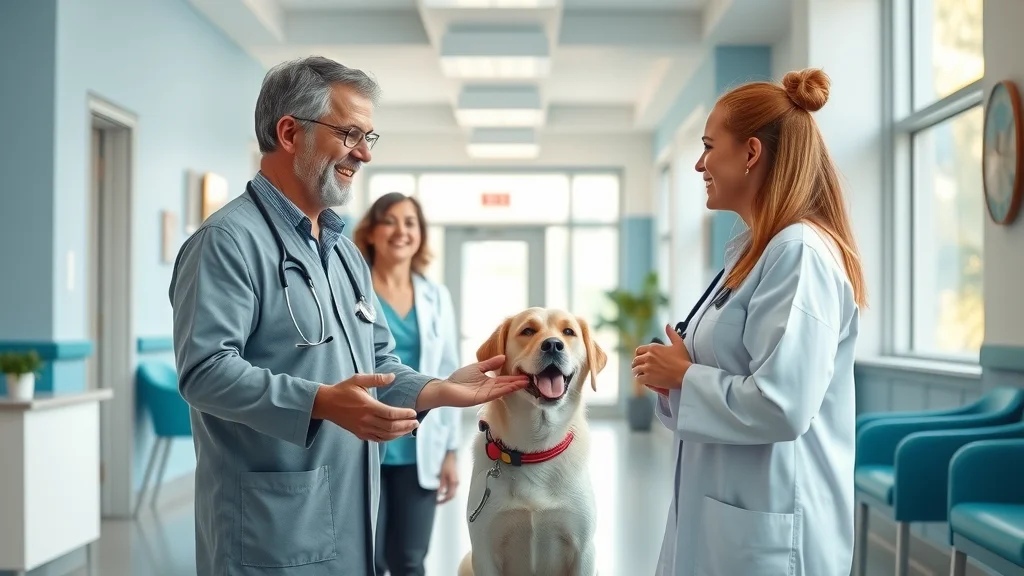
Average Attention Spans and the Importance of Clarity for Pet Owners
Most pet owners land on a veterinary website because they are searching for urgent care or trusted pet care options. Studies indicate that the average attention span for website visitors is about eight seconds. In this brief window, visitors form lasting opinions about a veterinary practice based on design, messaging, and ease of navigation. A modern, welcoming homepage with friendly, professional imagery immediately signals trust and capability. When essential care information and contact options are front and center, pet owners feel reassured. By prioritizing clarity and addressing what matters most right away—such as service hours, available services, and how to book an appointment—animal hospitals create a user experience that helps potential clients take quick action, increasing the likelihood they will call the customer support number or use an online booking form.
Unlike complex medical association or animal hospital association websites, a local veterinary practice’s online presence must confidently present compassionate care and clear next steps. The best veterinary website removes doubt and gives every pet owner immediate answers, while cluttered or outdated veterinary websites often cause confusion, leading many to search elsewhere. The need for direct, practical navigation and visible contact options defines how successful a practice will be in converting visitors into clients.
How Scanning, Comparing, and First Impressions Affect Veterinary Practice Success
Visitors do not read every page or word on a website—they scroll and scan quickly, especially when searching for urgent care. In fact, most users compare several veterinary websites side by side, choosing the one that stands out with clean presentation and quick access to care information. If a homepage immediately displays what services are offered and makes scheduling simple, it has a significant competitive advantage. In contrast, if a site forces users to click through multiple confusing menus or hides booking forms deep in subpages, anxious pet owners may give up in favor of a more direct competitor.
This behavior applies not only to animal hospital websites but to all small businesses. First impressions set the tone for the entire user experience, and even the most reputable practice can lose pet owners if its website is difficult to navigate or vague about offerings. Clear, quick, and friendly messaging is as essential to digital marketing as it is to customer support at a physical front desk.
For veterinary practices looking to further refine their online presence, understanding the principles behind lead generation website systems can provide actionable strategies for turning more website visitors into booked appointments.
Why Mobile-First Design Is Essential for the Best Veterinary Website
Mobile Browsing Habits of Pet Owners and Animal Hospital Clients

Pet owners increasingly rely on smartphones to find care information and contact veterinary practices. The dominance of mobile browsing means that veterinary websites must be optimized for smaller screens, simple navigation, and instant access to booking tools. Data from across the veterinary community shows that visits to official websites from mobile devices frequently outnumber desktop visits, especially for those seeking animal hospital services outside regular hours.
A mobile-first best veterinary website places critical information front and center, reducing the need for zooming or squinting at small text. Well-designed veterinary websites avoid clutter, minimize taps, and feature large, easy-to-use “Book Appointment” or support number buttons that are accessible whether a pet owner is at home, in the car, or at the park. For veterinary practices hoping to capture new clients in real time, mobile optimization is no longer optional—it is now an expectation for compassionate, affordable veterinary care.
Simple Scrolling Over Complex Clicks: Adapting to Modern Website Behavior
Gone are the days when complex menus and multiple web pages were considered a sign of professionalism. Modern internet users, including pet owners, prefer scrolling down one continuous page rather than clicking through lists of links. This behavioral shift makes one-page veterinary websites a leading strategy for converting visitors into clients. When important content, such as urgent care information, services, location, and calls-to-action, appears clearly as the user scrolls, engagement and appointment rates rise.
For animal hospitals, veterinary teams, and even large animal and public health service providers, minimizing the number of clicks is crucial. Each extra step introduces friction and increases the chance that a visitor will abandon the process. By structuring content for easy scrolling, veterinary practice websites boost usability and provide a path that feels natural and supportive. Pet owners benefit from immediate results and a sense of reassurance, directly influencing their choice to call the customer support number or request a booking.
The Role of Clear Messaging in the Best Veterinary Website

How Immediate Communication Builds Trust for Pet Care Services
Trust is built quickly online, especially when it comes to pet care. A best veterinary website achieves this by making it clear within seconds what the practice offers, why it is trustworthy, and how to act. Immediate access to care information, visible contact options, and a welcoming message all help reassure pet owners that they have found a reliable source for their needs.
For many, being able to call the customer support number or use a straightforward booking process without navigating complicated menus is essential. Veterinary practices that highlight their unique advantages—such as compassionate care, clear service explanations, and responsiveness—stand out in a crowded field. In short, clarity and transparency create confidence, helping pet owners decide to act quickly in the best interest of their animal’s welfare.
Pet Owners Seek Quick Answers: The Need for Clear Care Information and Services
When a pet is ill or in need of urgent care, owners aren’t interested in scrolling through dense blocks of text or searching for basics like hours, services, or an official website support number. They want to know that the veterinary team can help and want direct answers about available solutions. The best veterinary website anticipates these needs with bold, easily accessible service lists, fast loading times, and concise instructions on how to book. Even outside of emergencies, clear care information is central to the decision-making process.
“Most customers form their opinion of a pet care provider within seconds based on what they see first.”
By designing a site that answers common questions upfront, veterinary practices eliminate barriers and make it more likely that potential clients stay and take action, whether by submitting a form, making a call, or scheduling an appointment.
One-Page Veterinary Websites vs. Traditional Multi-page Veterinary Practice Sites
How a Simple Structure Reduces Friction for Urgent Care and General Appointments
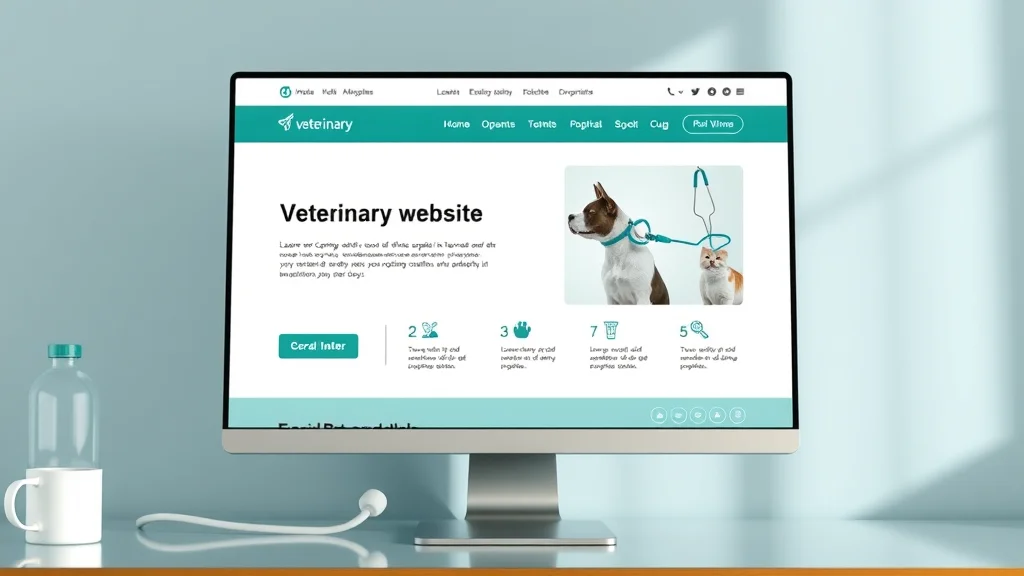
Veterinary practices have a choice between adopting the traditional multi-page structure or switching to a modern, one-page design. One-page veterinary websites minimize friction, ensuring that potential clients can answer their key questions and book an appointment without jumping through hoops. When a pet owner scrolls smoothly from an introductory welcome, through available services and care information, to a clear call-to-action, they are more likely to complete the process.
Multi-page websites, by contrast, often disrupt the user experience. Clients searching for urgent care may get lost in multiple subpages and menus, diminishing trust and prompting them to move on. By streamlining navigation and minimizing required clicks, veterinary websites can keep anxiety low and support quick, confident scheduling for both routine check-ups and urgent animal hospital needs.
Why Too Many Clicks Lower Conversion Rates for Veterinary Practices
Animal hospitals and veterinary practices often lose clients not due to service quality, but because their websites slow down decision-making. Every extra click or menu bounce gives users a reason to reconsider or abandon their inquiry. Pet owners, when faced with too many hurdles, may return to search results to try the next official website on the list, potentially costing the business a new client.
Simplifying the digital path from landing on the site to contacting the veterinary team drives appointment conversion. Each call-to-action should appear naturally as the user scrolls, and any barriers to booking, such as hidden forms or confusing labels, should be removed. Clarity of purpose is a hallmark of the best veterinary website and is essential for practices looking to thrive in a digital market.
Conversion Explained: Turning Veterinary Website Visitors into Appointments
Defining Conversion for Pet Owners Scheduling Care
Conversion for a veterinary website means turning a visitor into a paying client by guiding them to take a specific action—typically calling, submitting a booking form, or using a customer support number to schedule an appointment. The ultimate goal is to make this action so obvious and easy that there is no hesitation or confusion. Every web design choice, from prominent buttons to concise service descriptions, should lead naturally to a clear next step.
Too often, veterinary websites act as information resource libraries rather than lead generation tools. By focusing on conversion—through clear calls-to-action, simple mobile-first layouts, and highlighted booking pathways—animal hospitals and veterinary practices increase their chances of turning every visit into a real appointment.
Strong Calls-to-Action on the Best Veterinary Website Guide User Behavior
Effective calls-to-action (“Book Appointment”, “Call Now”, “Request Care”) must be placed where pet owners will see them as they consider their options. These should stand out visually and be repeated throughout the scroll, offering convenience whether the visitor is comparing care for a new puppy, a senior pet, or a large animal. Veterinary teams that provide easy avenues for contact and appointment scheduling lower the barriers for clients, supporting both urgent care needs and ongoing animal welfare.
"A well-placed button or contact form helps pet owners act quickly, turning interest into real bookings."
In every veterinary practice and animal hospital, the best veterinary website is the one that helps visitors take the shortest, clearest path to action.
Core Reasons Veterinary Websites Lose Potential Clients
- Unclear messaging leaves visitors confused
- Disorganized navigation prevents quick access to care information
- Mismatch between site structure and typical scrolling behavior
Lead Generation Web Design Principles for the Best Veterinary Website

How Clear Value Propositions Impact Pet Owner Decision-Making
When a veterinary website clearly communicates its unique benefits—such as specialized services, a dedicated veterinary team, or 24/7 urgent care—pet owners are more likely to trust the practice and take action. The value proposition should appear near the top of the homepage and be reinforced visually and verbally as the pet owner scrolls. Potential clients are looking for affordable veterinary care, compassionate providers, and transparent customer support.
Lead generation web design emphasizes immediate answers and removes decision fatigue. By presenting a clear, quickly understood message, the best veterinary website leaves no doubt about what to do next. This direct style of communication also ensures alignment with veterinary medical association guidelines for clear care information and client communication.
Page Speed and Mobile Optimization in Veterinary Practice Websites
Speed isn’t just about how quickly a veterinary website loads—it’s about how quickly it delivers trust, clarity, and action. Slow websites, overloaded with images and popups, lose potential clients who refuse to wait for care. Mobile optimization also supports real-time browsing and booking, ensuring every pet owner, regardless of device or urgency, enjoys a seamless experience from visit to appointment confirmation.
"Speed isn’t just about loading times—it's about quickly delivering trust and clarity to your client."
Veterinary websites built for lead generation avoid unnecessary complexity, making care information, booking tools, and contact options visible and intuitive at all times.
How Businesses Compete for Pet Care Clients Through Veterinary Websites
Why Presentation and Clarity Often Matter More Than Reputation
Reputation is important, but in today’s digital world, the best veterinary website often wins by presenting services clearly and simply. Online, visitors move quickly—they compare businesses, decide which appears easiest to work with, and usually contact the first animal hospital or veterinary practice they understand at a glance. A clear, visually appealing website can equal or even outweigh years of word-of-mouth recommendations.
Practices with similar qualifications or experience compete online not on expertise alone but on how well they communicate, how fast their pages load, and how effortlessly a pet owner can find care information or a booking form. Veterinary websites that prioritize these elements are far more likely to receive inquiries and generate appointments than less clear, more complicated competitors.
How Pet Owners Quickly Compare Multiple Veterinary Websites
During a search for urgent care or routine veterinary services, pet owners often visit three to five websites within minutes. They pay close attention to first impressions—professional imagery, immediate presentation of hours and services, and a visible customer support number. Often, the deciding factor is which site makes scheduling simplest and provides the fastest answers.
In this context, traditional website features like lengthy text about a practice’s history can be less important than a fast-loading, friendly, easy-to-navigate layout. Every business is compared not just on expertise, but on user experience and visible support for pet care throughout the online journey.
Website Traffic vs. Lead Generation Reality in Veterinary Practices
Why More Website Visitors Don’t Always Mean More Appointments
Drawing traffic to a veterinary website is only half the equation. Many animal hospitals invest heavily in digital marketing or a fresh-looking official website but still struggle to generate more appointments. The reason is simple: without clear calls-to-action or a user-friendly path to booking, visitors leave without taking the next step.
Analytics may show thousands of page views per month, but unless the site converts these visits into scheduled care, the practice will not see real business results. It’s not about how many people visit—it's about how many new clients actually make contact or appointments.
How Veterinary Website Design Directly Affects Conversion
The major difference between a standard veterinary website and one optimized for conversion comes down to structure and clarity. Sites that feature endless tabs, vague language, or obstructive pop-ups create roadblocks that drive pet owners away. In contrast, a streamlined, one-page site guides the user naturally from information discovery to action, increasing the likelihood they will contact the veterinary practice.
Veterinary practices that update or refresh their website with a focus on clear care information, intuitive navigation, and prominent calls-to-action often experience significant improvements in appointment rates. This truth holds for all types of small businesses: guiding visitors clearly and directly toward making contact produces more leads and loyal clients.
The Impact of Visibility and Message Clarity on the Best Veterinary Website
How Immediate Impressions Influence Trust in Pet Care
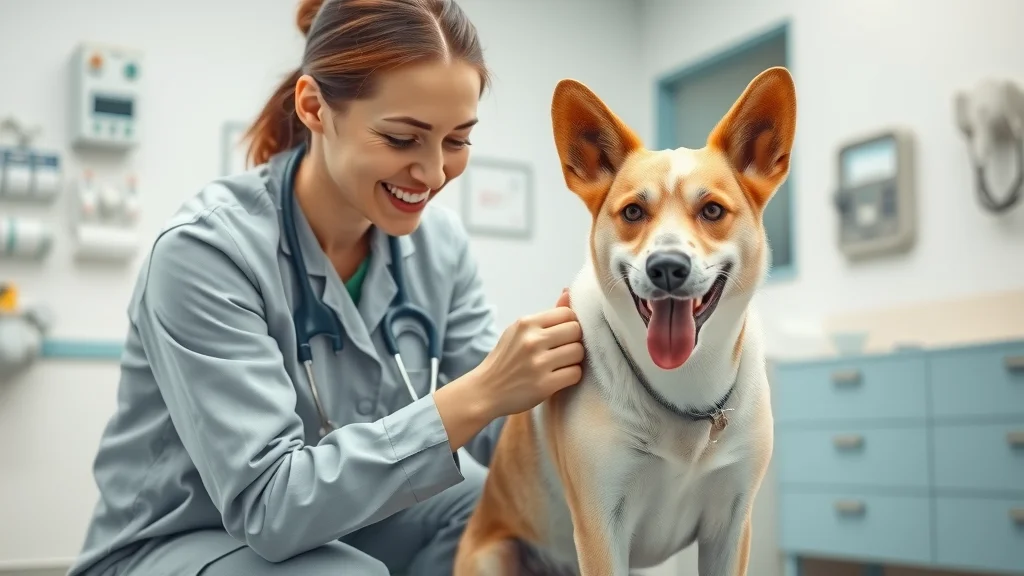
For pet owners looking online for veterinary medical or animal welfare support, trust is determined in an instant. If a website’s visual design, text, and layout work together to offer a sense of care and confidence, the practice stands out among competitors. Immediate visibility of services, credentials, and next steps allows users to decide quickly, making their choice with certainty.
In the veterinary community—as in all small businesses—the fastest way to earn trust is by answering questions before they are asked and making every step as clear as possible. A focus on visibility and message clarity turns new visitors into clients and turns one-time guests into long-term supporters of the veterinary team.
Why Confusion on Veterinary Websites Leads to Lost Opportunities
Every unclear word, hidden menu, or slow-loading page creates a drop-off point for prospective clients. Pet owners, especially those worried about an animal’s health, do not have the patience to decode jargon or search for a hidden customer support number. When they run into friction or confusion, they move on—sometimes never to return. This principle applies to all industries but is especially relevant for urgent, trust-based services like pet care.
The best veterinary website avoids such losses by offering a simple, supportive journey: one clear page, fast answers, and pathways to connect with compassionate, affordable veterinary care.
Key Takeaways for Building the Best Veterinary Website
- Mobile-first, one-page structures match visitor behavior
- Clear messaging and calls-to-action improve bookings
- Speed, structure, and clarity make a veterinary website stand out
Common Questions About Creating the Best Veterinary Website
People Also Ask: What features make a veterinary website stand out?
The best veterinary website features a streamlined, one-page layout, direct messaging about services, visible and repeated calls-to-action for appointments, mobile-friendly design, and clear, welcoming visuals. Quick loading speed, immediate contact options like a support number, and clear value differentiation further help a practice stand out to pet owners.
People Also Ask: How important is design simplicity in veterinary websites?
Design simplicity is critical for converting website visitors into appointments. Simpler designs reduce navigation friction, eliminate confusion, and match how users behave—primarily scanning and scrolling rather than clicking through multiple pages. Veterinary websites with a straightforward structure keep pet owners engaged, making them more likely to take action.
People Also Ask: What are the common mistakes in veterinary practice websites?
Common mistakes include cluttered or outdated layouts, complicated navigation with many pages, unclear service descriptions, and hidden calls-to-action. Additionally, slow load times and a lack of mobile optimization often drive pet owners to consider other animal hospital websites. Prioritizing clarity and user experience addresses these issues.
Frequently Asked Questions on Veterinary Website Best Practices
How can a veterinary practice website convert more visitors into appointments?
By adopting a clear, mobile-first design, prominently featuring booking options and support numbers, and presenting services in a quick, conversational tone, veterinary practices can move visitors from interest to action. Reducing unnecessary steps and confusion helps drive conversions.
Why is a one-page website effective for veterinary practices?
One-page websites allow pet owners to find all relevant information by simply scrolling, reflecting modern online behavior. Without clicking through menus, clients can see care information, hours, and a booking option immediately, which increases appointment rates and satisfaction.
What should be avoided when building the best veterinary website?
Practices should avoid overwhelming menus, excessive or technical language, slow loading pages, and hidden contact options. Instead, every detail should focus on guiding pet owners with clarity, speed, and ease to the right veterinary care solution for their needs.
Consistent Clarity Wins: The Ongoing Advantages of the Best Veterinary Website
- Visibility and results improve with time and consistent design
- Simple changes can lead to more customer trust and more client bookings
- Clear veterinary websites are chosen more often by pet owners seeking care
Learn How Lead Generation Websites Work to Boost Veterinary Client Appointments
Understanding and applying lead generation design principles can help your veterinary practice or animal hospital connect with more pet owners actively seeking care. Learn how lead generation websites work to boost your appointments.
Watch this summary explainer video for an animated overview of best veterinary website practices—including mobile experience, high-conversion techniques, and visual user flows for booking appointments—all styled in a clean, modern format.
This video demonstrates real-world examples of how design decisions can make a veterinary website more effective at generating new client appointments.
Conclusion
Clear, consistent website design leads more pet owners to trust, engage, and schedule care. Over time, every small improvement in clarity and structure helps build lasting results—and a thriving veterinary practice.
If you’re ready to take your veterinary website strategy to the next level, consider exploring broader insights on content authority and digital publishing. The Local Authority Content System™ Insights & Strategy resource offers a deeper look at how structured content and strategic publishing can elevate your practice’s online reputation, drive sustainable growth, and position your clinic as a trusted leader in your community. By integrating these advanced approaches, you can ensure your website not only attracts more visitors but also builds lasting relationships and authority in the pet care space.




Write A Comment