


Imagine you’re searching for a service online—maybe a new dentist, a contractor, or a place to order lunch—and land on a site where you can’t tell what the business offers or how to get started. Chances are, you’ll leave rather than hunt for what you need. Small businesses compete for attention in these blink-of-an-eye moments, and the placement of a call to action (CTA) on your website can be the deciding factor for whether a visitor becomes a customer or moves on to someone else.
What You'll Learn in This Guide to Where to Place Call to Action
- How visitor behavior shapes call to action strategy
- Ways site clarity and structure affect conversion rates
- Best practices for effective cta button placement on landing pages and throughout your website
- The difference between primary cta, secondary cta, and strategic call to action placement
- How to use user experience insights in web design for better lead generation
- The importance of making your cta and action button easy to find and act on
Understanding Visitor Behavior: How Scanning Shapes Where to Place Call to Action
Today’s online visitors rarely read every word on a web page. Instead, they scan and make rapid decisions—often within seconds. When considering where to place call to action elements, it’s essential to understand that first impressions happen almost instantly, and user attention is scarce. Most users spend less than eight seconds deciding whether to stay, scroll, or leave. Their behavior is defined by scanning for what matters to them, forming a judgment about the business, and seeking the fastest path to their goal. Websites that position CTA buttons where they’re easily seen and immediately understood are more likely to engage these rapid-fire visitors and convert casual browsers into leads or customers within moments of page load.
Understanding this behavior is the foundation of high-conversion design. Small businesses, regardless of industry—retail, restaurants, professional services, or local home maintenance—must recognize that clear action buttons and straightforward layouts offer the best chance to capture attention before it’s lost. Miss the moment, and potential customers simply move on to a competitor whose site gives them a clear next step right away.
For a deeper dive into how structured content and publishing strategies can further enhance your website’s effectiveness, consider exploring the Structured Local Authority Publishing approach. This method can help you organize your calls to action and supporting content for even greater clarity and conversion.
Short Attention Spans and First Impressions Impact Conversion Rates
- Most visitors decide quickly and do not read every word
- Average user attention span is just 8 seconds
- First impressions are formed almost immediately after page load
Online, attention is measured in seconds. The typical web visitor forms a first impression before taking in any deep content—often basing their decision on the clarity of your headline and the visibility of your cta button above the fold. Sites that delay action with cluttered layouts or buried contact forms risk losing leads. For small businesses, focusing on clear, simple messaging and action buttons visible at the top of the page removes friction and helps guide users toward the specific action you want them to take, such as making a purchase or booking a service.

Modern Browsing: The Role of Scrolling and Mobile Experience
- Scrolling is now the default online behavior
- Mobile-first design massively influences how calls to action are noticed
- Too many clicks or interruptions lower conversion rate
Modern web browsing means that users expect to scroll, especially on mobile devices. Mobile-first design ensures that your cta button is always within reach—often as a sticky or floating option. Pages that require extra clicks, hide actions below several folds, or break user flow with confusing navigation see significant drops in conversion rate. Effective cta placement anticipates the visitor’s scanning pattern, placing action buttons at eye-level and in natural stopping points throughout each web page, so users never have to search for what to do next.
Website Clarity, User Experience, and the Importance of Well-Placed CTA Button
Clarity is the backbone of a website that converts visitors. Many small businesses assume that simply having a website is enough—but unless the site is structured for real users, it won’t generate leads. Good user experience comes from making your offer, value, and cta button immediately obvious. When your landing page is clean, loads quickly, and features a prominent call to action, you guide users to a decision point and reduce confusion that costs you business. Poorly placed, hard-to-find action buttons, or tangled navigation often send visitors elsewhere, even if your service is superior.
Great cta placement uses white space, visual hierarchy, and minimal distractions to point the eye toward the desired action. Every web page should answer “what do I do next?” without making visitors think.
How Confusing Layouts Cause Lost Leads
- Unclear or buried call to action loses visitors
- Visitors often compare websites quickly and act on the first clear offer
Confusing layouts—those with many links, distractions, or unclear calls to action—cause businesses to lose potential customers even before a conversation begins. When users land on a cluttered site, they struggle to find their next step, and quickly move to competitor websites. Simplicity gives a decisive edge. When your action button stands out and the value proposition is positioned front and center, your web page guides users directly toward the action you want them to take, which raises your conversion rate.
Simplicity and Page Speed Improve User Experience for Conversion
- Simple structures outperform complex navigation
- Fast-loading landing page and visible cta button retain attention
Visitors expect your landing page to load quickly—every second’s delay means lost leads. A simple, focused layout with limited navigation reduces decision fatigue, keeping visitors engaged and moving them toward your action button. Use white space to draw attention, and position the cta button where it appears instantly as soon as the page loads. Remember: speed plus clarity drives action.
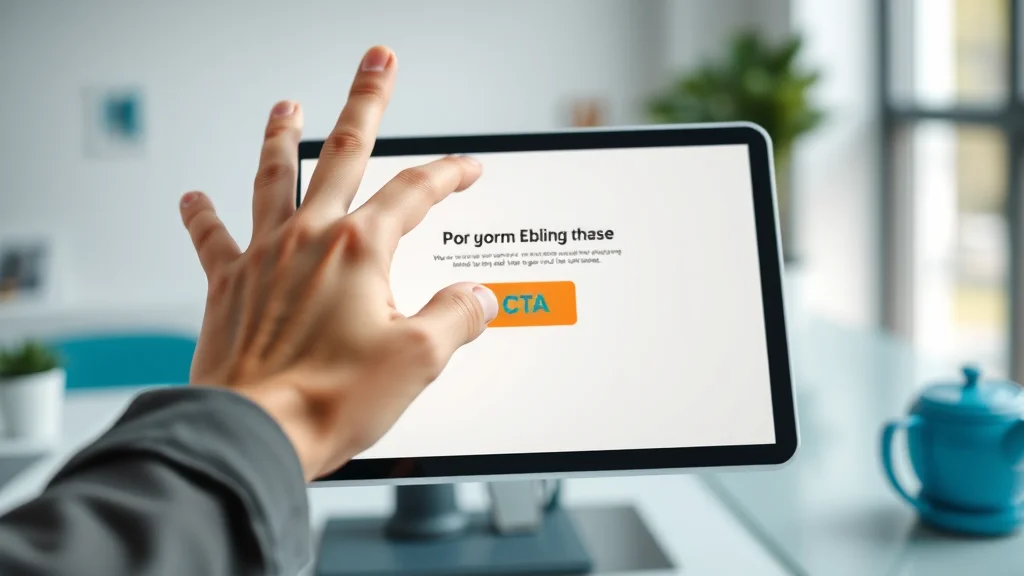
"Visitors need to see what to do next without thinking. The easier you make it, the more likely you are to gain a customer."
What Is Conversion? Defining Conversion and Its Connection to Where to Place Call to Action
A “conversion” happens anytime a website visitor takes a specific action you want—calling your business, making a purchase, filling out a contact form, booking an appointment, or signing up for a free trial. The rate of these actions compared to total visitors is your conversion rate. Where you place your call to action directly influences whether people act. If your action button is buried or unclear, conversion rates drop—even if you have high traffic. By making each cta button strategically placed and visible, you turn more browsers into leads or customers.
The connection is simple: clear, well-placed CTA buttons create a direct path from landing page to desired action, while poorly placed buttons break this flow.
Conversion Rate Explained for Small Business Websites
- A conversion is when a visitor calls, makes a purchase, books, or submits a form
- Conversion rates measure how the placement of a cta button affects customer action
Conversion rate is a measure of effectiveness, showing what percentage of visitors actually take your intended action. For small business websites, this is the most important metric—not just site traffic, but actions such as sign-ups, purchases, or inquiries. Every decision about cta placement—above the fold, at section ends, in blog posts—influences how many visitors move forward. Optimized placement means your web page guides users toward conversion, rather than losing them to another site.
How Small Businesses Compete Online: Clarity and Conversion Rates
No matter your industry, small businesses are chosen not simply for their reputation, but often for how clearly their websites present their offer and guide users to act. Online, customers line up multiple options—small business, restaurant, law office, medical clinic, or home service—and make rapid-fire comparisons. The business with the clearest message and the most visible cta button often wins their inquiry. Success is less about who shouts the loudest, and more about providing a frictionless website experience where visitors know what to do, without hesitation.
If your landing page structure highlights an action button, your conversion rate and lead generation improve. Missed opportunities happen when sites confuse, clutter, or require too many steps before a user can act.
Why Many Businesses Struggle to Generate Leads Despite Traffic
- Traffic alone does not create customers
- Design decisions and cta placement directly affect conversion
Many businesses invest in a website, run ads, and attract visitors—but still don’t generate enough leads or sales. This often comes down to poor cta placement or unclear messaging. If visitors can't quickly see what you do or what action to take, they leave for a competitor. Simply put, traffic means little unless your site guides visitors to take the next step through well-placed, easy-to-see action buttons and straightforward choices.
Customers Choose Based on Ease and Clarity, Not Just Reputation
- Quick comparison—often the first business with a clear offer wins
- A clearly placed action button can tip decisions
Online customers don’t evaluate every business evenly—they compare a few options, and choose the one that is easiest to understand and act on. A cta button that stands out, supported by concise messaging, can be the deciding factor. Businesses competing for attention must focus on making their value obvious and their call to action visible to capture conversions others miss.

Core Principles: How to Make Your CTA Effective Through Placement
Effective cta placement is rooted in core web design principles. Prioritize a clear primary call to action, use secondary CTAs sparingly, and ensure your landing page structure is focused and uncluttered. Visual cues like white space and hierarchical design draw visitors’ eyes to the action button. This helps guide users intuitively, resulting in more conversions. Every key decision about where to place call to action on your site should reinforce the path to your most important customer action.
Primary CTA vs Secondary CTA Placement
- Place the primary cta where it is seen first (above the fold on landing pages, main content areas)
- Add secondary cta only to support—not compete with—main actions
Your primary cta, such as “Book Now” or “Get a Free Quote,” must be highly visible at the top of your landing page—ideally above the fold. This ensures that the majority of visitors see the main action you want them to take right away. Secondary ctas, such as links to learn more or subscribe, should be present but visually understated, supporting the main choice without creating distraction. Avoid having too many competing action buttons—this reduces confusion and keeps your conversion rate high.
Landing Page Structure for Maximum Conversion Rate
- Minimize navigation and highlight a single clear path to the action button
The most effective landing pages remove unnecessary menu options and limit choices, creating a direct flow toward the cta button. Clean, simple layouts keep the focus on your offer and make it easy for users to convert—whether that involves starting a free trial, contacting you, or making a purchase. Minimize clicks and display your primary call to action as the focal point to guide users from arrival through to conversion.
White Space, Visual Hierarchy, and CTA Button Visibility
- Use white space to create contrast and draw focus to your cta button
- Visual hierarchy helps users know what action is most important
White space is more than empty space—it’s an essential tool for emphasizing what matters most. Abundant white space and clear visual hierarchy naturally highlight your cta button, telling visitors where their attention should go. By ensuring your call to action is the most visually prominent element in a section, you increase the likelihood of users taking your desired action. Simple layouts with strong contrast outperform crowded pages every time.

Visual Guide: Explore how scanning and clean page structure guide visitors’ eyes to key action buttons, regardless of device or platform.
Best Practices: Where to Place Call to Action Across Different Website Types
The right placement of your cta button varies depending on the type of page—landing page, blog post, or mobile site—but the goal is always to make your call to action visible, contextual, and easy to act on. Best practices for cta placement have been shaped by user experience studies and real-world results from businesses who’ve improved conversion rates by making small, strategic changes.
Let’s break down recommended approaches for the most common web pages small businesses use:
Effective CTA Placement on Landing Pages
- CTA button visible without scrolling (above the fold)
- Reinforce call to action several times as users scroll
On a landing page, ensure your primary cta button appears above the fold so first-time visitors see it immediately—without the need to scroll. For longer pages, repeat the call to action after important selling points or testimonials to maintain visibility as users move down the page. This technique is proven to dramatically improve conversion rate on lead generation sites and service business pages alike.
Call to Action Placement in Blog Posts and Content Pages
- Add cta after the introduction and at key intervals
- End every blog post with a clear next-step action
Within a blog post or information page, don’t wait until the end to present a call to action. Place CTAs after your opening section, inside relevant points, and always at the end, using visually distinct buttons to guide readers. This method ensures your message reaches those who scan rather than read every word, increasing conversions from content-driven visitors as they move through your site.
Action Button Placement on Mobile-Friendly Websites
- Sticky or floating cta buttons increase conversion rates on mobile
- Design cta copy and buttons for easy tap and clear reading
Mobile browsing dominates today’s web. Sticky or floating cta buttons remain visible as visitors scroll and are proven to increase conversions on mobile devices. Mobile-friendly cta copy is concise and action-oriented, making it easy for users to understand the next step on a small screen. Always position buttons within reach of thumbs and ensure good contrast for readability, letting users act with minimal effort.

"On any device, your primary cta must be instantly visible—without hunting or scrolling too far."
Landing Page Case Study: Improving Conversion Rate Through CTA Placement
- How one local business increased conversion rate with optimized action button placement and simplified site structure
- Lessons from redesigning the landing page for lead generation
Let’s look at a real-world example: A local services company was receiving plenty of site visitors, but few inquiries. Their original landing page had the action button buried mid-page, surrounded by distracting links. After redesigning the site to feature a single, prominent cta button above the fold, reducing navigation, and focusing the message, their conversion rate more than doubled. The result was a simplified, faster-loading web page where visitors instantly understood what to do—leading to more calls, emails, and bookings.

Case Study Walkthrough: See how streamlining layout and moving cta above the fold transformed inquiries for this small business.
Comparing CTA Button Placement: Email Marketing vs Social Media vs Website
| Channel | CTA Placement Strategy | Typical Benefit | Common Pitfall |
|---|---|---|---|
| Email Marketing | Action button near top of email; repeated mid-content | Immediate action from engaged readers | Too much text before cta; button gets missed |
| Social Media | Prominent button below ad/image; urgency copy | Captures interest during quick scrolling | Unclear offer or link; cta lost in feed |
| Website | CTA above the fold; multiple appearances as user scrolls | Consistent lead flow and higher conversion rates | Buried cta or too many competing actions |
- Distinct strategies for cta button in email marketing vs conversion rates on website landing pages
- How social media cta placement leverages scrolling and urgency

How to Write Compelling CTA Copy That Boosts Conversion Rates
- Create cta copy that is direct, easy to understand, and action-oriented
- Test different messages to see which increase conversion rates
- Pairing sense of urgency with clear value (but without hype)
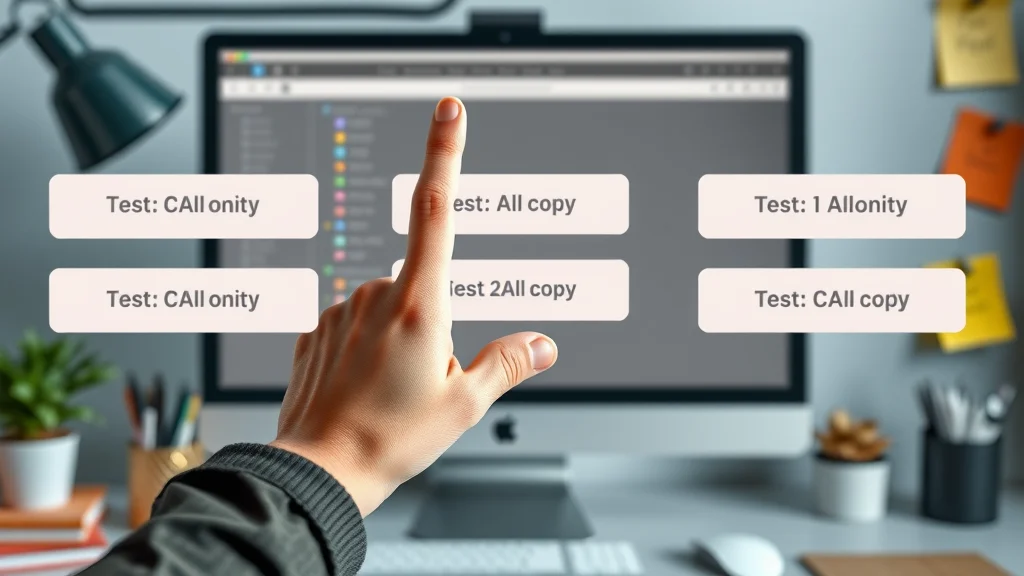
Well-crafted cta copy tells users exactly what to do next—using simple, everyday language like “Call Now,” “Book Your Free Consultation,” or “Start Your Quote. ” Avoid jargon or vague offers. Regular cta ab testing (changing button text, color, or placement) helps determine which copy gets more clicks and conversions. Although urgency can boost results (“Limited Time Offer”), keep the tone straightforward, not pushy. The best action button text promises a valuable result for taking the next step.
Optimizing Mobile Experience and Page Speed for CTA Success
- Fast page load ensures cta appears instantly for users
- Mobile-first layout: place call to action within thumb’s reach and visible on initial view
Conversion rates drop sharply on slow or clumsy sites—especially on mobile devices. Every small business website must prioritize quick loading and primary cta visibility on the first screen. Use clear fonts, touch-friendly buttons, and ensure forms work smoothly on every mobile device. Place key calls to action in sticky bars or as fixed buttons to maintain visibility as users scroll.
Common Mistakes: Where Not to Place Call to Action
- Avoid hidden or cluttered cta buttons
- Do not rely on only one cta at bottom of a long page
- Make sure each cta button is clearly labeled and leads to a logical next step
Avoid the mistake of placing your only action button at the end of a lengthy web page, or hiding it among lots of distractions. Each cta must be visible, distinct, and directly related to the section’s purpose. Unlabeled or unloved buttons that don’t outline the next step—like “Submit” instead of “Book Appointment”—leave users guessing, causing lost leads.

| Do | Don't |
|---|---|
| Place primary cta above the fold | Hide cta button below competing content |
| Use white space for emphasis | Cram buttons among ads or links |
| Label buttons with clear specific action | Use generic labels like “Submit” |
| Repeat main cta in long pages | Rely on only one cta at the page footer |
People Also Ask: Where Should Calls to Action Be Placed?
Where should calls to action be placed?
- Calls to action should be placed where they are most likely to catch attention, such as above the fold, after key content sections, and at the bottom of important pages.
Where does a call to action go?
- A call to action goes in highly visible areas on your website—often at the top (header area), throughout the main content, in blog posts, and as a sticky button or bar on mobile devices.
What is a good call to action example?
- Examples of a good call to action include "Call Now," "Book Your Free Consultation," or "Start Your Quote." The key is that the action button is clear, specific, and easy to spot.
Where should a CTA be placed on a website?
- A cta should be placed at decision points—when a visitor is ready to act, after describing your main value, and at natural stopping points like the end of a section or page. Above the fold, in navigation, and as a sticky bar are highly effective positions.
Frequently Asked Questions on Where to Place Call to Action for Conversion Rate Optimization
-
How many cta buttons should a landing page have for best conversion?
Limit your landing page to one clearly visible primary action button and, at most, a secondary cta for those not ready to commit. Too many choices dilute results. -
What is the impact of white space on cta button visibility?
White space draws the eye to your action button, making it stand out and easier to find—leading to higher conversion rates. -
How do I test if my cta placement is working?
Use a/b testing: switch button locations, colors, or wording and track which version results in more conversions over time. -
Can the same call to action work for both email marketing and my website?
The message can be similar, but placement and format may differ. Email marketing calls to action should be near the top and repeated in the message, while website ctas need to fit each page’s structure and user flow.
Key Takeaways: Mastering Where to Place Call to Action for More Leads
- Most customers act quickly, so cta button visibility is key
- Clarity, strong messaging, simple page structure, and clear cta placement drive conversion rates
- Mobile-first design and fast page speed support higher engagement
- Small improvements in cta placement can significantly improve results
Final Thoughts: Where to Place Call to Action to Support Consistent Lead Generation
- Visibility and clarity help you stand out when customers compare options
- Consistent messaging, easy navigation, and smart cta placement build trust over time
- Focus on practical, visitor-first structure for lasting results
- For more guidance on maximizing your website’s lead generation, see How Lead Generation Websites Work
If you’re ready to take your website’s performance to the next level, consider how a comprehensive content strategy can amplify the impact of your calls to action. By integrating structured publishing and authority-building techniques, you can create a seamless user journey that not only increases conversions but also positions your business as a trusted local leader. Discover more about these advanced strategies and how they fit into a broader digital marketing plan by visiting the Local Authority Content System™ Insights & Strategy resource. Elevate your approach and unlock new opportunities for growth and engagement.




Write A Comment