


Why do some auto repair websites get flooded with customer calls, while others are left waiting? The truth is, a great auto repair shop can still be overlooked if its website doesn’t instantly connect with new visitors. If your auto repair website is not getting customers, what might you be missing?
What You'll Learn About Why Your Auto Repair Website Is Not Getting Customers
- Reasons your auto repair website might not be getting customers
- How visitor behavior shapes auto repair shop website success
- The importance of first impressions and mobile browsing
- Simple changes to improve your auto repair business’s lead generation
Setting the Scene: Why Auto Repair Websites Struggle to Get Customers
Many repair shops offer great service, but their online presence does not make it clear to new visitors why they should choose that auto repair shop over any other.
Even the most reputable repair shops sometimes struggle to attract new customers online. While in-person experiences and word-of-mouth remain vital, most people now search for auto repair shops using their phones or computers. If your auto repair website is not getting customers, it is often because what a shop offers is not crystal-clear to online visitors. A cluttered, slow, or confusing website may cause potential customers to leave before ever reaching out, despite the excellent service offered locally. Many shop owners find themselves wondering why business is slow, when the issue may be as simple – and as significant – as how their business looks and functions online.

Today’s customers compare online just as they compare in person, but the process is much faster and often less forgiving. The gap between being chosen or skipped over can be a matter of seconds, and that choice often hinges on what’s visible the moment someone lands on your website. Let’s break down exactly how your website is performing, what visitors are really experiencing, and where small adjustments might make a big difference.
Understanding Customer Behavior on Auto Repair Websites
Modern website visitors don’t patiently pore over every word on a page. In fact, studies show the average attention span online is just around 8 seconds—or less. Auto repair shop websites face a unique challenge: most visitors arrive needing a solution now. Their time is limited, they’re likely scrolling from a smartphone, and they make lightning-fast decisions about whether to stay or leave.
Most potential customers rapidly scan, scroll, and look for key signals that tell them—at a glance—if your auto repair shop can solve their problem. They’re not reading everything; instead, they’re searching for clarity, convenience, and trust. If your message is buried under technical jargon, or your navigation is overwhelming, it’s easy to lose them to competitors who make their offer immediately understandable.
For auto repair shop owners looking to refine their website’s messaging and structure, exploring proven frameworks can make a significant difference. The Structured Local Authority Publishing approach offers practical strategies for organizing content and presenting your services in a way that resonates with local customers and drives more inquiries.
Scanning, Scrolling, and Quick Decisions on an Auto Repair Shop Website
- Average attention span and habits of auto repair website visitors
People today move quickly through websites. They use their thumb or mouse to scroll through, looking for something that catches their eye—be it a service they need, a “Book Now” button, or a familiar phone number. Deep reading is rare. Visitors will scan your homepage, look for headlines, bold text, buttons, and icons to guide their next step. If information about oil changes or other common repairs is hidden or takes too many clicks, most will move on and try another repair shop website.

When shop owners design their site, it’s easy to assume every section will be read. In reality, most users make a judgment call in seconds. The key is to match web design to natural browsing—present the most important details first and make taking action (like calling or booking) as easy as possible.
First Impressions and the 8-Second Rule for Auto Shop Sites
Visitors form an impression of your auto repair website in seconds—before they even decide to keep scrolling.
That first glance matters. Within the first 8 seconds, a visitor decides whether your auto repair website makes sense to them. This is called the “8-second rule. ” Your branding, headlines, and calls-to-action must immediately address what you do, who you help, and how easy it is to contact you. Any friction or confusion in those first seconds can mean a lost customer. A clear, visually organized homepage—with a visible phone number, key services, and trust signals—sets you apart from competitors.
Remember, most people don’t make a final decision right away, but if they leave your site unimpressed or confused, they won’t come back. First impressions are not just about aesthetics; they’re about clarity of message and ease-of-use.
Key Reasons an Auto Repair Website Is Not Getting Customers
It’s easy to assume that simply having a website is enough to drive more business to your auto repair shop, but there are several common factors that hold back even the best repair shops online. These small mistakes can cost you potential customers every day.
Let’s look at the biggest obstacles threatening your business’s online lead generation—and how you can address them quickly.
Unclear Offer and Confusing Messaging on Auto Repair Shop Websites
- Lack of direct, easy-to-understand information about auto repair services
- Too much technical jargon or clutter blocking clarity
If your website doesn’t clearly state what you do—whether it’s routine oil changes, diagnostics, or brake repair—visitors won’t stick around to figure it out. Too much technical detail, or a homepage filled with jargon, can overwhelm and confuse a potential customer whose only concern is fixing their car quickly. Always make the main services, your location, and how to take action visible and understandable for everyone, not just car enthusiasts. Consider what a first-time visitor needs to know: Do you offer what I need? Are you close by? Can I trust you?
Making your message clear, direct, and written for ordinary people (not just seasoned mechanics) is essential for converting local customers and increasing customer satisfaction. Use headings, bullets, and icons to simplify information and guide people naturally from problem to solution.
Too Many Clicks: Navigation Challenges for Auto Repair Shop Visitors
- Complex navigation causing friction
- How simple page structure leads to more customers on auto repair sites
Today’s customers are used to quick, effortless browsing. If your website forces them to hunt through several pages just to find your phone number or to understand what you offer, they’re likely to give up and move to the next search result. Simplicity is key—sites with fewer pages, clean navigation menus, and a focus on scrolling instead of clicking tend to convert more visitors into customers.
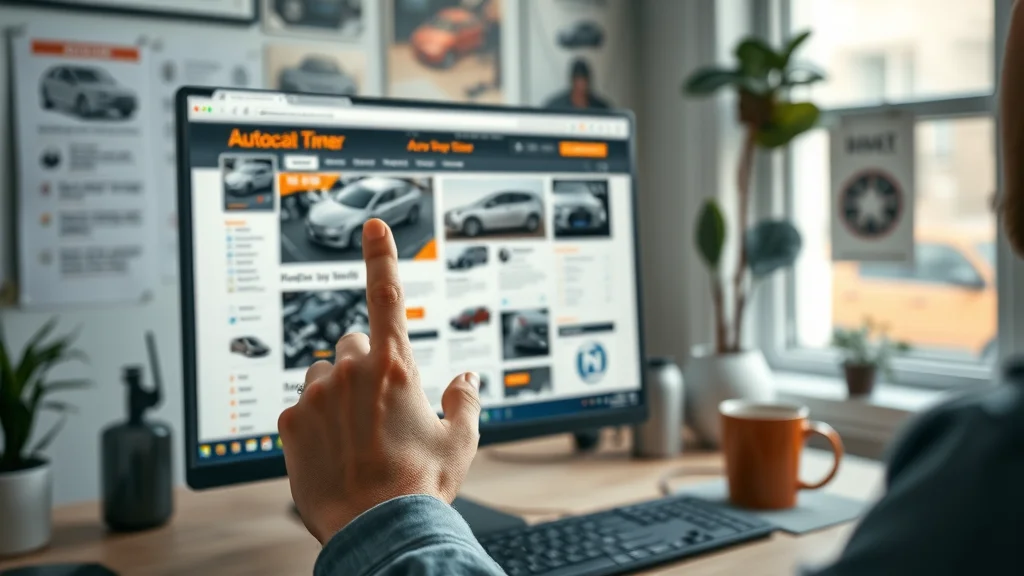
Navigation should be intuitive: a clear path from landing on your site to making an appointment or call. Reducing unnecessary pages and grouping key information on one or two pages makes it easier for visitors to take action. The easier it is to find your contact information and services, the more likely people are to choose your repair shop.
Mobile-First Issues: Why Auto Repair Websites Lose Mobile Shoppers
- Most site traffic comes from phones
- Mobile browsing habits and expectations on repair shop websites
The majority of website visitors now come from mobile devices. If your site isn’t designed to look great and function smoothly on phones and tablets, you’re losing the attention of most potential customers before you even have a chance to engage them. Mobile-first design isn’t just about shrinking content to fit smaller screens—it’s about rethinking layouts, buttons, and navigation for touch interaction and quick browsing.

Successful auto repair shop websites put key features—like “Call Now” buttons, map links, and hours—front and center on mobile. If forms are hard to fill out, or buttons are too small, visitors won’t stay long. Adopting mobile-first web design principles ensures your auto repair business is ready to connect with local mobile searchers.
Slow Page Speed and Its Impact on Repair Shop Lead Generation
- How page speed affects bounce rates and conversions on auto repair websites
Page speed is more important than most repair shop owners realize. If your website loads slowly, even just a few seconds’ delay can double or triple your “bounce” rate (the number of people who leave right away). Fast-loading pages keep visitors engaged and improve your chances of capturing a lead.
In the mobile era, speed is a signal of professionalism and technical competence. A slow site may suggest outdated service or equipment even if that’s not the reality. Keeping your web pages streamlined, image sizes optimized, and minimizing pop-ups or unnecessary animations will go a long way to improving both customer experience and your shop’s online reputation.
The Modern Conversion Path for Auto Repair Shops Online
It’s not enough just to get eyes on your auto repair website. A successful online presence guides visitors directly from interest to action, whether that’s calling, booking an appointment, or filling out a contact form. This process—called “conversion”—turns website traffic into real-world customers.
Understanding how customers move from browsing to booking (or calling) is key to getting more value out of every website visitor.
What Does Conversion Mean for an Auto Repair Shop Website?
- Calls, bookings, online forms—what counts as conversion?
For an auto repair shop, conversion means any action that brings a visitor closer to becoming a paying customer. This usually takes the form of phone calls, online booking requests, submission of contact us forms, or even chat engagements. A highly converting website will make these options obvious, visible, and easy—even for someone in a hurry or using their phone.

Adding bold, inviting call-to-action buttons near your service descriptions and at the top of the homepage can lift conversions dramatically. When shop owners view their website through a customer’s eyes, it’s easier to spot where improvements are needed for this crucial step.
Why Website Traffic Alone Does Not Guarantee More Customers
- Difference between website visitors and actual auto repair shop customers
It’s a common misconception that more visitors mean more business. Many auto repair shops see plenty of traffic through search engines but wonder why so few people actually call or book. The truth is, traffic is only valuable if your website efficiently guides visitors toward action. Without clear messaging and low-barrier contact options, the majority of users will leave before becoming customers, especially if another repair shop in local search makes it easier to get started.
Small businesses often invest heavily in search engine optimization or paid ads but don’t see results, because their site structure or messaging is the problem—not the amount of traffic. Consistency, clarity, and strong calls-to-action are what transform a shop website from a digital brochure into a true lead generation engine.
Clarity, Simplicity, and Lead Generation for Auto Repair Shops
Not every auto repair business needs a complicated, multi-page website. In fact, many local shops see the best results with a simple layout that answers top questions quickly and drives visitors to act now. One major choice for shop owners is between a single long-scrolling page (one-page website) and a site with lots of separate sections (multi-page website).
The right approach depends on your market, but “less is more” often wins when it comes to online lead generation.
One-Page vs Multi-Page Websites in the Auto Repair Industry
- The advantage of one-page websites for auto repair shops
One-page websites are particularly effective for auto repair because they match how people browse: scroll first, click later. A well-designed one-page site lets visitors move smoothly from the main offer to reviews, services, and a call-to-action—all without leaving the page. This reduces friction, keeps attention focused, and is ideal for mobile users.
While multi-page sites offer space for lots of detailed content, every added click increases the risk of losing impatient visitors. For most small auto repair businesses, focusing on clarity, bold messaging, and a single conversion path delivers better results than complex, multi-tab structures.
The Power of a Clear Call-to-Action on Auto Repair Shop Sites
- How strong calls-to-action can increase conversions
A prominent, well-written call-to-action (CTA) is the cornerstone of any high-converting auto repair shop website. Whether it’s “Book Now,” “Call for a Free Estimate,” or “Schedule Your Oil Change,” your CTA should stand out visually and be repeated in several logical places, such as near your main services and in the navigation bar.

Tests show that websites with visible, colorful CTA buttons see more leads. Adding a dedicated section for contact info, phone number, or online booking ensures even the busiest customers can reach you with minimal effort. The more you highlight what to do next, the higher your conversion rate will be.
How Auto Repair Shop Owners Can Present Their Offer Clearly
- Strategies for message clarity and visual hierarchy
To present their offer clearly, auto repair shop owners should make use of strong headlines, bullet lists, and concise explanations right at the top of the homepage. Use high-quality images or icons to represent your top services and avoid walls of text. A clean visual hierarchy helps visitors know what’s most important—be that reviews, certifications, or the unique benefits of your business.
Visual consistency, colors that match your brand, and logical grouping of information prevent visitor overload and keep people moving toward booking or calling. Always verify designs from a customer’s point of view, ensuring the path from “what do you do?” to “how do I contact you?” is short and unmistakable.
How Businesses Compete for Customers Online: The Auto Repair Perspective
| Criteria | Confusing Website | Clear Website |
|---|---|---|
| Navigation | Multiple menus, too many pages, hard to find info | Single page or simple menu, key details up front |
| Messaging | Jargon, detailed descriptions, unclear main offer | Plain language, clear headings, visual highlights |
| Calls to Action | Small or hidden buttons, unclear steps | Bold, repeated CTA, “Book Now” or “Call” visible |
| Mobile-friendliness | Hard to read, small buttons, slow to load | Easy to scroll, touch-friendly, loads fast |
How Customers Choose an Auto Repair Shop Website: Scan, Compare, Act
- Most visitors contact the first site that makes sense
- Why clarity is often more important than reputation or reviews
The way people select an auto repair shop online is remarkably consistent. They arrive from a search engine, scan through a few results, and compare shop websites side by side. But rather than weighing every review or reading every word, most will simply contact the first auto repair business whose website makes sense, feels trustworthy, and has an obvious next step. Clarity is often valued more highly than reputation in these critical first moments.
If your shop site is confusing, buried in technical details, or slow to load, even the best reviews may not convince a visitor to stay. Making your primary benefits clear, your contact options visible, and your website easy to use positions your business to win in this rapid-fire decision-making process.
Online Presence and Visibility for Repair Shops: Beyond SEO
- Why messaging and user experience matter as much as keywords
While search engine optimization and a good business listing get your auto repair website in front of more people, what those people experience matters just as much. Visibility in search results is only the first half of the equation; clarity and usability on your site are what convert views into actual auto repair shop customers. User experience—how easy it is to understand, scroll, and take action—often outweighs having the highest number of keywords.
A strong social media presence and positive customer reviews can help, but they are no substitute for a straightforward, logical website. Ultimately, clarity and simplicity build trust faster than technical tricks or heavy marketing.
Building Trust on Auto Repair Shop Websites Fast
- Social proof: reviews, certifications, and trustworthy design
- How trust factors influence customer decisions within seconds
Trust is the cornerstone of every successful repair shop. Online, trust is built quickly through well-placed customer reviews, recognizable certifications (like ASE badges), and a professional, welcoming design. Visitors need to feel confident not just in your skills, but in your honesty and reliability.

Showcasing social proof near your main call-to-action—such as a few glowing testimonials or review stars—can dramatically increase conversion rates. Remember, most visitors decide whether to trust your business within seconds, and the right visual cues go a long way.
People Also Ask
Why is the automotive repair industry struggling?
- The industry faces rapid changes, customer trust issues, and competition not only from local repair shops, but from changing customer expectations. Online experiences now play a major role in where people bring their vehicles for service.
What is the $3000 rule for cars?
- The $3000 rule refers to a common guideline: if a car requires repairs totaling more than $3000, some owners consider replacing the vehicle rather than repairing it. Auto repair shop owners must be aware that customers weigh repair costs against the value and longevity of their vehicle.
How to get more clients as a mechanic?
- Clear online presence, strong customer reviews, professional-looking automotive repair websites, and simple booking/contact options all help mechanics attract more clients today.
What is the 30-60-90 rule for cars?
- This rule describes the recommended service intervals for vehicles: maintenance is often advised at 30k, 60k, and 90k miles. Clear explanations of such routine services on auto repair shop websites can help customers understand when to book service.
Simple Steps to Improve Your Auto Repair Website for More Customers
- Review your homepage from a customer’s perspective
- Simplify your navigation and reduce unnecessary pages
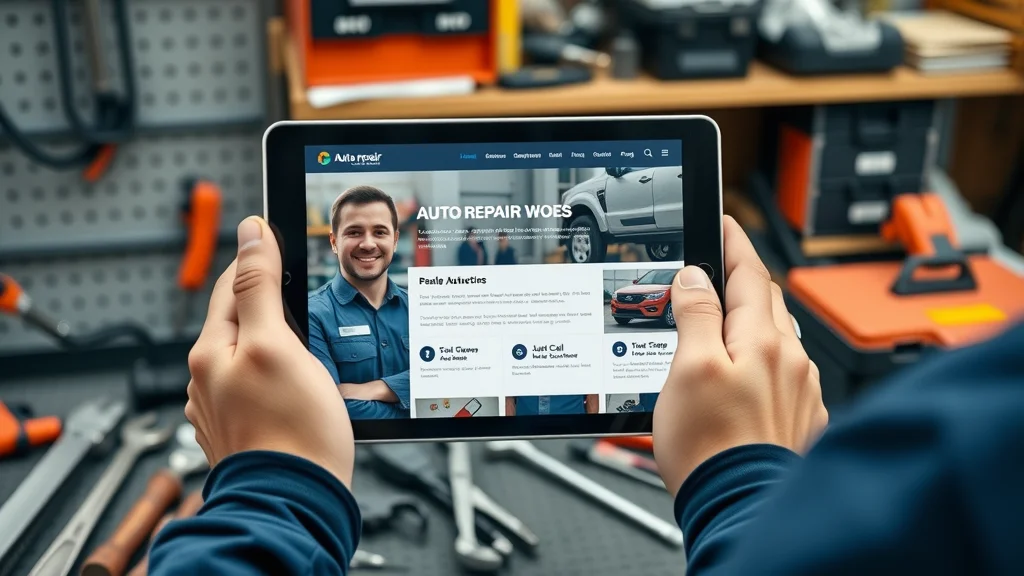
- Ensure your call-to-action is clear and visible
- Highlight customer reviews and trust signs

- Check that your website loads quickly on phones
Each adjustment brings your auto repair shop one step closer to capturing more local customers online. Focus on presenting your value, removing barriers, and making action simple for everyone who visits your repair shop website.
Key Takeaways: Auto Repair Website Not Getting Customers
- Clarity and simplicity improve lead generation for any auto repair shop
- Visitors compare sites quickly and act on the easiest, most understandable option
- One-page websites, strong messaging, and mobile-first design keep visitors engaged
- Trust, visibility, and ease-of-use convert more website visitors into loyal customers
Frequently Asked Questions About Getting More Auto Repair Customers Online
- Why doesn’t more website traffic lead to more repair shop customers? More traffic is helpful, but unless your website clearly guides visitors to take action—like calling or booking—most will not become customers. Clarity, strong calls-to-action, and simple navigation convert visits into real results.
- How can auto repair shops stand out on search engines? By combining clear messaging, modern web design, strong customer reviews, and being listed accurately online, repair shops become more visible and appealing in both search engine results and to real customers.
- Which website features drive the most conversions for an auto shop? Easy-to-find contacts, mobile-friendly layouts, strong call-to-action buttons, and prominent reviews all boost conversions. A single, scrollable page with clear service descriptions and trust signals is often the most effective format.
Consistency, Clarity, and the Path to Growth for Auto Repair Shops
Small improvements in clarity and structure yield steady results. An auto repair shop’s website is often the first point of contact; making it clear and easy to use increases trust and leads.
Building a successful auto repair shop website is about more than just being seen. Over time, simple, consistent improvements in clarity, organization, and customer experience help your business stand out, build trust, and attract loyal customers.
How Lead Generation Websites Work for Auto Repair Shops
A lead generation website is designed to convert visitors into real inquiries, phone calls, or bookings, not just provide information. By presenting your services clearly, reducing clicks, optimizing for mobile, and emphasizing calls-to-action, these sites create a direct path from first impression to new customer.
Want to see how a lead generation website could help your auto repair business? Learn more about how lead generation websites work.
If you’re ready to take your auto repair website to the next level, consider exploring broader strategies that go beyond just design tweaks. Adopting a comprehensive content system—like the Local Authority Content System™—can help you build lasting authority, improve your visibility, and create a more compelling online presence. By integrating structured publishing and strategic content planning, your shop can consistently attract, engage, and convert more local customers. Dive deeper into these advanced approaches to unlock new growth opportunities for your auto repair business.




Write A Comment