


Picture this: a potential customer lands on your business website. In just a few seconds, their mind is made up—do they stay and engage, or click away to a competitor? Today's online visitors move fast, scanning and scrolling rather than reading every word. First impressions count more than ever, making your website’s structure and clarity the quiet difference between being chosen or overlooked. In this article, you’ll discover how one page website design helps small businesses earn attention, convert more visitors, and compete online—even without big budgets or complex marketing.
Understanding One Page Website Design for Lead Generation
For small businesses, making the most of every visitor matters. Lead generation is not just about getting visitors to your site, but about turning those visitors into actual customers. This is where one page website design stands out. Instead of spreading information across multiple pages, everything is presented on a single, scrollable page. This design approach matches how users naturally browse: they scroll, scan, and expect immediate clarity. One page website design eliminates unnecessary decision points, so visitors aren't distracted or lost trying to find answers. They're more likely to see your offer, understand your value, and take action quickly—whether that's making a call, filling out a form, or booking a service.
This focus on clarity and simplicity boosts conversion rates. When your message and call-to-action are impossible to overlook, users are less likely to feel overwhelmed or confused. Especially for local shops, home services, and professional practices, one page website design adapts seamlessly to different devices, is quick to load, and keeps attention where it matters most. For anyone who wants to upgrade your experience and results online, streamlining your site structure is a great way to save lost opportunities and encourage more leads, bookings, or purchases.
Most website visitors decide within seconds whether to engage with a business. First impressions formed quickly often determine which business wins attention online.
- Why one page website design matches how customers browse
- How simple structures and clarity can increase conversions
- The role of mobile-first design and page speed
- Key differences between page websites and traditional, multi-page websites

To further enhance your website’s ability to generate leads, it’s important to consider not just design, but also how your content is structured and published. Exploring structured local authority publishing strategies can help you organize information in a way that builds trust and authority, complementing the streamlined approach of a one page website.
Why Customers Behave Differently Online — The Case for Single Page and Page Websites
Shorter Attention Spans and Website Scanning Habits
In today’s digital world, the average attention span is only about 8 seconds. That’s less time than it takes to type a web address. Most visitors will decide whether to stay on a site within a blink. Rather than reading every detail, people tend to scan web pages, hunting for the information they want. As users scroll, their eyes catch headlines, bolded terms, and calls-to-action rather than blocks of text.
This means that immediate impressions are crucial for converting a visitor into a lead. Any confusion or clutter can turn someone away in seconds, especially when they are comparing several businesses side by side. Being able to show value at a glance gives your business an edge. In fact, the first site that feels clear and helpful is often the one contacted—even if others are just as qualified. One page website design supports this scanning habit, presenting all essential info smoothly as users move through content, rather than asking them to click and load multiple zones that risk losing their interest.
- The average attention span is around 8 seconds
- Visitors tend to scroll and scan, not read every detail
- Immediate impressions matter — clarity is crucial
- Customers compare multiple websites, rarely evaluating each in depth
How Too Many Clicks Hurt Conversions on Page Websites
Each extra click can mean an extra opportunity for a visitor to leave. Traditional page websites usually require users to jump from one page to another to find what they’re looking for. This increases friction—interrupting the flow that today’s customers expect. Visitors may start on a homepage, but clicking through several sections can turn a simple inquiry into a chore. For many small businesses, this means losing leads not because the service is lacking, but because the process is too complicated.
People now expect to scroll rather than click. With page websites, navigation menus and complex layouts can prevent visitors from finding what they need before they lose interest. In many cases, websites that are fully loaded, heavy on content, or that force users to jump excessively between page zones lose out to more streamlined alternatives. By simplifying the journey—minimizing clicks and maximizing visible value—you can keep people moving forward and reduce the chance of losing them to a competitor’s more direct, single page website.
- Clicking through multiple pages adds friction
- Users favor scrolling over clicking
- Extra navigation can lead visitors to leave and choose competitors

| Feature | One Page Website Design | Traditional Page Websites |
|---|---|---|
| Ease of Navigation | High | Variable |
| Conversion Focus | Very Focused | Often Diluted |
| Mobile Experience | Optimized | Often Inconsistent |
| Speed | Fast | Can Be Slower |
Core Principles of Effective One Page Website Design
Reducing Friction and Improving Clarity on Single Page Websites
One of the core reasons one page website design works well is that it greatly reduces friction in the visitor’s journey. By limiting the need for clicks and presenting information in a clear, concise manner, a single page website makes it obvious what the business offers and how to take action. Calls-to-action, such as booking an appointment or making a phone call, are always just a scroll away. The entire experience is streamlined, so a visitor is not left wondering what to do next or where to look.
Confusion and ambiguity are the enemies of conversion. When your messages are easy to understand and steps are obvious, fewer visitors get lost or distracted. This helps guide behavior naturally, allowing more visitors to take the step from browsing to becoming a lead or a customer. For small businesses, where every opportunity counts, having a clear, well-guided online path can make the difference between a steady stream of inquiries or silence. Single page websites, by design, align perfectly with how people browse—one smooth, logical journey from landing to action.
- One page website design guides visitors smoothly
- Content and calls-to-action are clearly presented
- Messages are easy to understand; next steps are obvious
- Visitors take action without unnecessary decisions
Mobile-First Structure and its Role in Modern Browsing
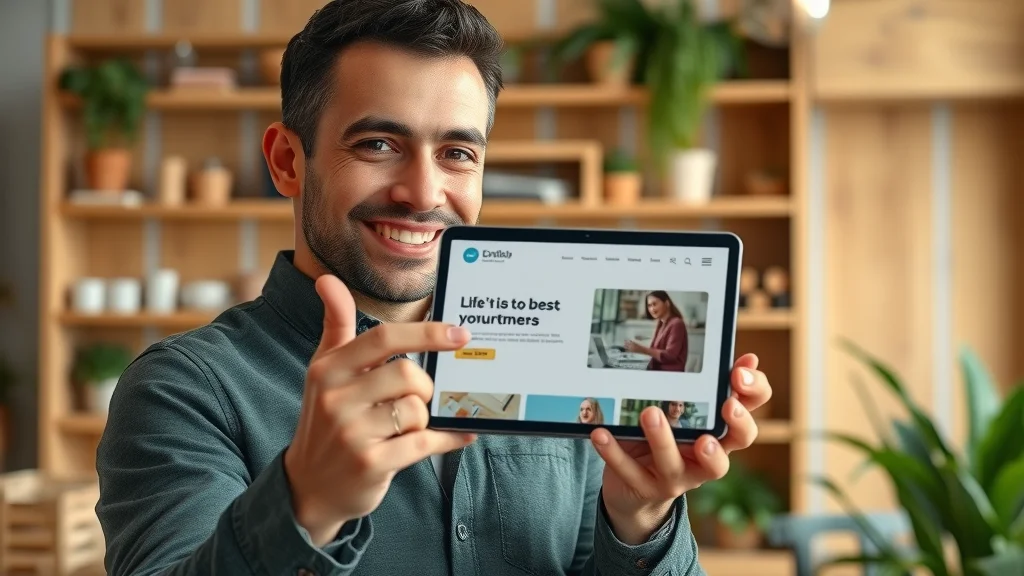
Mobile devices have become the main way customers browse the internet. For everything from restaurant reservations to scheduling a home repair, people rely on their phones throughout the day. One page website design is especially well-suited to this reality. With fewer clicks and a simple, scrollable structure, all important information remains easily accessible—even on smaller screens. This means faster loading times, less frustration, and more successful encounters for both the business and the customer.
When content is arranged clearly from top to bottom, it encourages engagement without overwhelming the user. Mobile-first web design pays attention to how quickly pages load, how easy it is to fill out a form with a thumb, and how intuitive it is to find key services. By minimizing unnecessary page load or fragmented navigation, single page websites ensure that even customers on slower connections or older devices can reach the end of the journey—without giving up out of impatience. This supports not only better user experience but higher rates of completed leads, because simple, responsive sites upgrade your experience no matter the device.
- Most customers browse on mobile devices
- One page website design adapts easily to smaller screens
- Fast load times and straightforward layouts encourage engagement
"Visitors need to see what to do next without thinking. Simplicity and speed matter more than flashy graphics or lengthy explanations."
Realities of Lead Flow and Conversions for Small Businesses
Why Many Websites Struggle to Generate Leads
Many small businesses launch new sites expecting floods of customers, only to be disappointed when leads fail to materialize. The challenge is rarely in the quality of the business itself; rather, it’s about how the website communicates. Complex navigation menus, unclear calls-to-action, or overloaded content mean visitors move on before they understand what’s being offered. In fact, traffic alone does not convert visitors into customers—guidance, structure, and clarity do.
Traditional, multi-page websites frequently end up being heavy on content or burdened with information that seems important to the business owner but fails to grab attention quickly. With a single page website design, the focus is on the pathway to action. Calls-to-action are visible early and often, reducing the risk of a visitor never finding them at all. A simple, focused approach makes it much easier for visitors to take the desired next steps such as calling, booking, or submitting a form—without confusion or delay.
- Websites with unclear navigation or messaging lose attention
- Traffic does not equal customers unless action is guided
- Businesses often invest in page websites that are hard to use
- Simple and focused design improves the chances of conversion
The Impact of Clarity and Structure on Lead Generation
Ultimately, conversion is the true measure of a website’s effectiveness. Conversion means guiding a visitor to take measurable action—whether that’s making a call, booking a table, purchasing a service, or making an inquiry. When structure is simple and messages are clear, conversions rise. Every extra decision or ambiguous pathway creates a chance for a visitor to drop off the journey.
One page website design brings calls-to-action front and center. Visitors see what to do next—instantly. This quick understanding helps them act without hesitance or second-guessing. In contrast, sites with multiple confusing page zones, content that’s replaced with new page fragments, or that load slowly risk losing customers at every turn. Clarity means every visitor quickly understands what’s on offer, why it matters, and how to respond, which increases actual contacts, bookings, and sales.
- Clear calls-to-action increase contact, bookings, and sales
- A well-structured one page website design shows value quickly
- Confusion leads to lost opportunities; clarity wins customers
| Factor | Impact on Conversion |
|---|---|
| Clarity of Message | High |
| Navigation Simplicity | High |
| Mobile Optimization | High |
| Page Speed | High |
How Businesses Compete Online With One Page Websites
Competition online isn't just about who delivers the best service—it's about who communicates value most clearly and quickly. The first business to show a clear offer, answer common questions, and present easy next steps is often the one chosen. Customers don’t have the time or interest to examine every option in-depth. Instead, they contact the business that seems most understandable and trustworthy in just a few seconds of browsing.
With single page websites, you can make your unique offer unmistakable, highlight credibility such as reviews or guarantees, and keep contact points and forms within instant reach. Rather than impressing with volume, impress with clarity. Customers will choose the business whose website makes sense immediately, rather than the one with the most complex or flashy features. Transparency, fast access to offers, and visible methods for getting in touch help small businesses stand out—no matter the industry.
- Compete by making value obvious, fast
- First business that makes sense is often chosen
- Clear offers, visible contact points, and credibility matter most
- Customers act based on understanding, not complex features
Frequently Asked Questions About One Page Website Design
What is a one page website design and how is it different from a traditional site?
A one page website design is a type of web design where all major information—services, company details, testimonials, offers, and contact forms—fits on a single, long-scrolling page. This contrasts with traditional page websites, where content is divided across separate pages that require users to click to navigate. With one page websites, the entire journey is smooth and linear, minimizing the risk of visitors dropping off or missing key details. Single page websites became a trend recently because they upgrade your experience by aligning with browsing habits and improving clarity for visitors.

Does one page website design limit the amount of information I can share?
No, one page website design does not have to limit the information your business shares. The key is in organizing content so it’s easy to scan and structured logically from top to bottom. It’s possible to include details about products, services, frequently asked questions, calls-to-action, and even reviews—all on a single scrolling page. What changes is how the information is delivered: instead of fragments loaded from server on demand, everything needed to turn a visitor into a customer is presented in a clear, connected flow. For more complex offerings, the design can include collapsible sections or smooth anchored navigation to help visitors save time and find what they need without feeling overwhelmed.
How does one page website design improve mobile user experience?
One page website design is perfect for modern mobile browsing. Since the site structure is based on scrolling rather than clicking through menus, visitors can access everything with a simple swipe of the finger. Designs are optimized for small screens, ensuring that phone users do not miss important calls-to-action or struggle with tiny fonts or complex tabs. Page speed is prioritized and load or page zones are kept light, making single page websites especially friendly to users with limited bandwidth or older devices. In every way, this approach upgrades your experience, reduces friction, and boosts the chances that a visitor becomes a lead.
Why does page speed matter for lead generation on single page websites?
Page speed directly impacts whether visitors stay on your site or leave. In the time it takes a slow website to become fully loaded, a customer may already have chosen a competitor. One page website design reduces the need to load or reload page fragments, resulting in faster initial page load and smoother scrolling. Besides improving the user experience, fast websites are also favored in search ranking algorithms. This makes a single page website design perfect for lead generation, helping businesses save time for visitors and convert attention into action before it’s lost.
Key Takeaways: Lead Generation with One Page Website Design
- One page website design increases clarity and reduces friction
- Mobile-first, simple structures improve results
- Strong calls-to-action make it easier for visitors to convert
- Quick understanding leads to more contacts and bookings
Visibility and Results: Building a Strong Lead Flow Over Time
- Consistency and clarity improve trust and recognition
- Easy-to-understand sites are more often chosen
- Small improvements can yield better lead generation outcomes
"A one page website design makes business offerings clear, actionable, and accessible—helping more visitors become customers over time."
How Lead Generation Websites Work
Lead generation websites are designed to convert visitors into customers through clearly presented offers and strong calls-to-action. Rather than simply publishing content, the goal is to guide user behavior—from first impression to final action. One page website design makes this journey direct and intuitive, ensuring that your business is not just visible but chosen. As you consistently share your message with clarity, invest in simplicity, and upgrade your experience online, you increase both your reach and your likelihood of being selected by those who matter most.
Ready to see how a lead generation website system can help your business? Learn more about how lead generation websites work.
If you’re looking to take your online presence even further, consider how a comprehensive content strategy can amplify the impact of your website design. By leveraging the principles of Local Authority Content System™ Insights & Strategy, you can build lasting authority, improve search visibility, and create a foundation for long-term lead generation success. Combining a streamlined one page website with a structured publishing approach ensures your business not only attracts attention but also earns trust and recognition in your market. Explore these advanced strategies to unlock new growth opportunities and stay ahead in the digital landscape.




Write A Comment